
NFL Injury Volatility and the Roster Depth Ahead of the NFL Draft
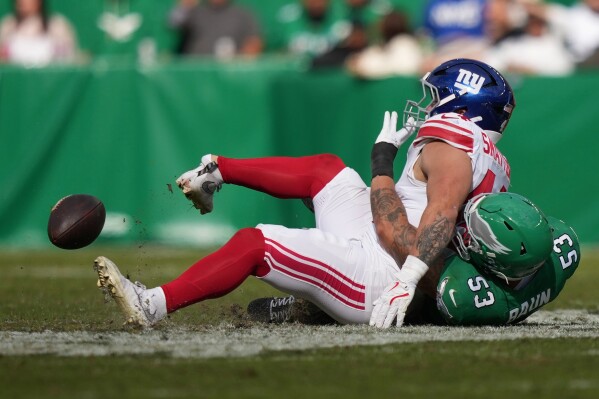
Running backs playing a full 17-game season is closer to a coin flip than a certainty. Data collected starting from the 2017 season through the 2020s shows that RBs have the lowest probability of completing a full slate compared to quarterbacks, wide receivers, and tight ends. That single statistic should reshape how front offices, fantasy managers, and the betting experts of TipsGG think about constructing rosters ahead of the NFL Draft.
Injury volatility in the NFL isn’t some unlucky accident that strikes a few teams each September, throwing plans out the window. It’s a structural feature of the sport, baked into collision physics and positional workload. The smartest organizations treat depth not as insurance but as architecture. They draft late-round prospects with specific backup profiles. They churn the bottom of their rosters through relentless NFL transactions. They mine the undrafted free agents pool for players who can absorb snaps the moment a starter goes down. Recent cases involving Saquon Barkley, DK Metcalf, and others only reinforce the point: the teams that survive are the ones who planned for chaos before it arrived.
Quantifying the Volatility Gap Between Positions
Games-played probability distributions tell a story that aggregate injury rates miss. When you plot the range of outcomes for fantasy-relevant players at each position across six seasons, running backs produce the widest spread. Their probability of reaching 12 or more games sits meaningfully below the same threshold for quarterbacks and tight ends. Wide receivers land somewhere in between, though their relative stability masks a secondary problem: target redistribution gets messy when a top option disappears.
The positional hierarchy of risk looks roughly like this. QBs and TEs cluster toward the higher end of games played, with narrower outcome ranges that suggest more predictable availability. RBs scatter dramatically, some logging all 17 games, others flaming out by Week 6. WRs occupy a middle band, safer than backs but volatile enough that any team relying on a single target hog is gambling.
Regression models analyzing NFL injuries at the team level reinforce something coaches already suspect: injuries rank as the top hidden variable in win-loss outcomes. Some franchises absorb absences better than others, and the difference rarely comes down to luck. It comes down to how well a team manages depth across its roster. A squad that enters the season with one viable running back and a practice squad afterthought behind him is playing Russian roulette. Proactive depth, built through the NFL draft, waiver claims, and shrewd UDFA signings, outperforms reactive scrambling every single time. The numbers leave little room for argument.
What Buffalo Bills’ Recent Injury Cycles Reveal
Consider lesser role players and how their injuries can cause havoc. Buffalo was always considered a contender, but when it started losing receivers to injury, Josh Allen became one-dimensional. A player like Gabe Davis, not seen as an important piece, went down in January with a torn left ACL. The Bills were left with few options, having to rely on cast-off Keon Coleman. Perhaps Gabe Davis isn’t a game-decider, but does highlight how even role players can have dramatic impact.
And then there was Ed Oliver, arguably the most important piece of Buffalo’s defense. Anchoring the team’s defense entering the season, he suffered an ankle injury after the now famous come-from-behind win against Baltimore in Week One. Sean McDermott found it difficult to cope during his rehab. He was added back, he left a game in Week 8 with a torn left biceps and never saw the field again until a final effort against Denver in the playoffs. He wasn’t the same.
The Draft is where teams can look to fill critical roles for eventual injuries. Get those squad players right and injuries do not need to be catastrophic when they eventually happen.
Building Depth Before You Need It
The late rounds of the NFL Draft are where roster resilience gets forged. Picks in rounds five through seven rarely produce starters, but they regularly produce players who can fill in for three or four weeks without catastrophic drop-off. Targeting high-upside athletes with positional versatility gives a team options when injuries strike. A running back who can also contribute on special teams or a receiver who plays both outside and in the slot stretches the utility of a single roster spot.
Undrafted Free Agents to Fill Holes
Undrafted free agents represent an even cheaper path to the same goal. Every year, UDFAs earn roster spots and eventually meaningful snaps. They cost almost nothing in guaranteed money, and the best ones mirror the profile that DFS optimizers chase: low salary, high volume inheritance potential. Teams that aggressively scout and sign undrafted free agents build a buffer that absorbs positional shocks without requiring a trade or a panicked waiver claim.
Active transaction management ties the whole system together. Rosters aren’t static documents filed in August. They’re living organisms that need weekly pruning. Claiming a backup tight end off waivers in Week 3 might seem trivial until your starter tears a ligament in Week 5. The cost of that claim was virtually zero. The cost of not making it could be a playoff spot.
Depth strategies break down into clear categories. Late-round draft picks provide controlled, cheap development options for bench roles. Waiver and trade transactions allow real-time adjustments when breakout performers or emergency needs emerge. UDFA signings deliver low-cost players who can inherit volume overnight.
The 2026 season will produce its own injury chaos. Specific names will dominate Thursday reports and Sunday inactives lists in ways nobody can predict today. What you can predict is the pattern. Running backs will miss games at higher rates than other positions. Star receivers will suffer untimely absences that reshape target trees. And the teams with layered, proactively constructed depth charts will keep winning while their opponents scramble. Track those injury reports obsessively. Build your bench before you need it. Treat depth as the foundation, not the afterthought.

NFL Draft Diamonds was created to assist the underdogs playing the sport. We call them diamonds in the rough. My name is Damond Talbot, I have worked extremely hard to help hundreds of small school players over the past several years, and will continue my mission. We have several contributors on this site, and if they contribute their name and contact will be in the piece above. You can email me at nfldraftdiamonds@gmail.com