
Muscle Recovery and Soreness Relief for Athletes: The Power of Cold Plunges
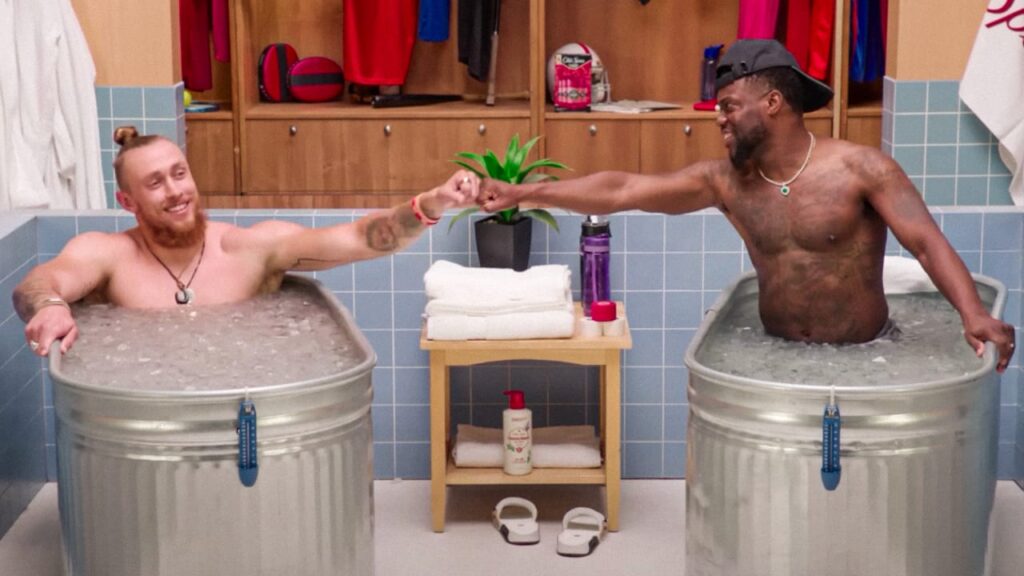
For athletes and fitness enthusiasts, pushing physical limits is part of the process, but so is managing the soreness and fatigue that follow. While strength gains, endurance, and speed all improve through training, performance depends just as much on how well the body recovers. That’s where cold plunges come into play.
Used by elite athletes and weekend warriors alike, cold water immersion (CWI), by means of cold plunges & ice baths, has emerged as one of the most effective and accessible tools for muscle recovery and soreness relief. From reducing inflammation to limiting lactic acid buildup, cold plunges are becoming a key component in modern recovery routines. But how exactly do they work, and why are more athletes making them a non-negotiable part of post-training care?
The Science Behind Cold Water and Muscle Recovery
When you exercise intensely, your muscles produce a byproduct called lactic acid. This happens when the body breaks down glucose without sufficient oxygen, common during strenuous or anaerobic activity like sprinting or weightlifting. While lactic acid isn’t solely to blame for muscle soreness, its accumulation can contribute to that heavy, burning feeling during and after a workout.
Enter cold water immersion. Stepping into water typically ranging from 50-59°F (10-15°C) for 5 to 15 minutes after training can help:
● Reduce lactic acid buildup
● Lower inflammation
● Constrict blood vessels, flushing waste products out of muscles
● Numb nerve endings, temporarily reducing pain and soreness
As your body warms up post-immersion, blood vessels dilate again, allowing fresh, oxygenated blood to flow back into the muscles. This cycle helps accelerate repair, decrease delayed onset muscle soreness (DOMS), and improve your overall recovery timeline.
How Cold Plunges Fit into Post-Workout Recovery
Cold plunges aren’t a one-size-fits-all solution, but they are incredibly versatile. Here’s how they commonly fit into an athlete’s post-workout protocol:
Right after a high-intensity session, many athletes opt for a 10-12 minute cold plunge to prevent excessive muscle inflammation and burnout. Doing so can help reduce microtrauma in muscle fibers and limit soreness the next day.
Some recovery routines alternate between hot and cold treatments, known as contrast therapy. Adding elements like bath magnesium flakes to your warm soak can further improve circulation and relieve joint and muscle stiffness.
3. Mental Recovery and Stress Relief
Cold exposure also triggers a neurochemical response, releasing dopamine, norepinephrine, and endorphins. These not only elevate mood and reduce mental fatigue but may also enhance focus and resilience over time, a psychological benefit valued just as much as physical relief.
Cold Plunges in Real Athletic Routines
The use of cold therapy is no longer limited to elite training facilities, it’s now integrated into the routines of countless athletes across sports and levels of competition. Here are a few real-world examples:
Professional football and basketball players often use cold tubs after games and practices to combat inflammation from repeated impact. Many teams have built-in cold plunge areas in their training facilities, making post-game immersion part of the standard cooldown.
Marathon Runners and Triathletes
Endurance athletes deal with muscle fatigue, joint stress, and heat accumulation. After a long run or race, they frequently soak in cold water to stabilize core temperature and ease tight muscles, especially in the legs and hips.
CrossFit and Strength Athletes
Heavy lifting leads to microtears in muscle fibers and DOMS that can last for days. Many strength athletes incorporate cold plunges into their weekly recovery routine to stay mobile, reduce downtime, and hit their next session with full strength.
In sports where full-body conditioning and recovery are crucial, cold plunges help manage swelling, bruising, and soreness after sparring or competition. Some fighters also use them to sharpen mental toughness and control breathing under stress.
Tips for Getting Started with Cold Plunges
If you’re new to cold water immersion, start slow. Here are a few tips to make the most of your experience:
● Start with shorter durations: 3-5 minutes is enough when you’re first getting used to the cold.
● Focus on consistency: Just like training, regular cold plunges offer better results than occasional use.
● Time it right: For most people, the best time for a cold plunge is immediately or within 30 minutes after a workout.
● Pair it with breathwork: Deep breathing techniques can help you manage the shock and stay calm during immersion.
● Listen to your body: If you feel dizzy, overly chilled, or uncomfortable, step out and warm up gradually.
In the pursuit of peak performance, recovery is as vital as training, and cold plunges have become one of the most trusted tools for helping athletes bounce back faster and stronger. By reducing lactic acid buildup, easing inflammation, and supporting physical and mental recovery, cold water immersion offers a well-rounded, science-backed approach to managing post-workout fatigue.
Whether you’re an elite competitor or simply committed to your fitness goals, adding a cold plunge to your routine could be the difference between a slow bounce-back and staying consistently ready for what’s next.

NFL Draft Diamonds was created to assist the underdogs playing the sport. We call them diamonds in the rough. My name is Damond Talbot, I have worked extremely hard to help hundreds of small school players over the past several years, and will continue my mission. We have several contributors on this site, and if they contribute their name and contact will be in the piece above. You can email me at nfldraftdiamonds@gmail.com