
How NFL Prospects Can Build a Winning Football Resume
For serious football players, a clean, well-structured football resume example can help turn game film into something a coach, scout, recruiter, or personnel staffer can scan fast and actually use.
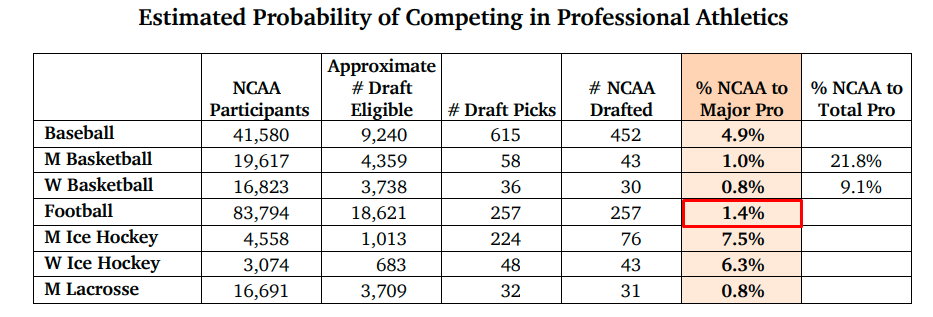
The competition is brutal at every level, with only 1.4% of NCAA football players drafted into the NFL or another major pro league. You cannot control the size of the talent pool, but you can control how clearly you present your value.
A strong football resume does not replace live evaluation or production on the field, but it gives decision-makers a fast snapshot of what you’ve done and why you deserve a longer look.
Your Resume’s Real Job
Coaches and scouts want fast access to information that helps them evaluate fit. That includes position, size, speed, production, school history, academics, honors, and links to film. If they have to dig for the basics, the document is already doing a poor job.
Think of the resume as a bridge between the eye test and the facts, tying everything together and making follow-up easier.
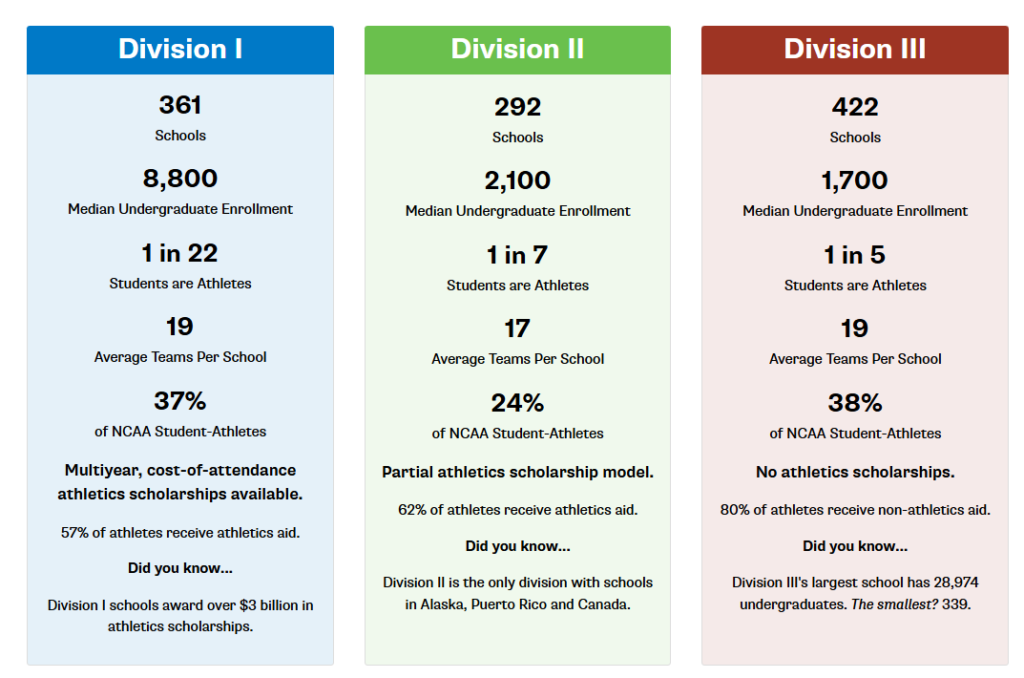
College football now sits inside a larger talent marketplace that includes high school recruiting, internal roster battles, the transfer portal, all-star events, pro days, and pre-draft workouts. In Division I alone, there are 361 schools and more than $3 billion in athletics scholarships awarded.
That is a huge ecosystem, and every serious player needs a document that helps him stand out inside it.
Most Important Facts First
The top third of the page should do the heavy lifting. This is where a coach or scout should find your name, primary position, secondary position, school, graduation year, height, weight, hometown, and contact information.
If you have verified numbers from camps, combines, pro days, or team testing, include them clearly. A 40-yard dash, shuttle, broad jump, vertical, bench numbers, wingspan, and hand size can all matter depending on position, so present them in a clean format that can be scanned in seconds.
A useful top section usually includes:
- Full name
- Position and secondary position
- School and class year
- Height and weight
- Verified measurables
- Coach contact information
- GPA and test scores, if they strengthen your case
- Link to highlight film
- Link to full game film, if available
Making Things Easy for Recruiters
At most levels, film is still the fastest way to confirm whether the document matches the player. Your resume should point directly to it, and the film itself should be easy to navigate. That means clips that show the traits relevant to your projection.
If you are a defensive back, the clips should show leverage, transitions, recovery speed, tackling, ball skills, and route recognition, aside from the obvious interceptions. If you are a receiver, show releases, separation, run blocking, body control, and special teams work, along with the catches.
This is how you improve your chances to get scouted. A concise resume paired with sharp film makes it easier for a college staffer or evaluator to decide that you are worth a deeper look.
Academics, Character, and Durability
Many NFL prospects make the mistake of treating their resumes as purely athletic documents. That is a mistake.
For college players, academics can reinforce maturity and eligibility reliability, while for pro prospects, they can signal discipline and retention. Include GPA, major, academic awards, and anything that speaks to consistency without turning the resume into a life story.
Character indicators matter too, but they should be concrete. Team captain, community service leadership, repeated special teams roles, or praise from a head coach all carry more weight than self-description. Durability can matter in the same way. If you started 35 straight games, say it. Availability is part of the evaluation.
This section should still be brief, though. The point is not to prove that you are perfect, but to show that you are coachable and prepared for the demands of the next level.
A Living Document
A football resume should change as the player changes. Add new testing numbers, update honors, refresh the film, and remove stale material. If your role expanded, reflect that. A prospect who treats his resume like a live evaluation tool will always look more serious than one who sends the same outdated file for months.
That habit also builds a professional mindset. NFL prospects are judged on details all the time, and a current, sharp resume suggests that the player understands preparation and accountability before he ever steps into a meeting room.
In the end, the best football resumes do not try to sound bigger than the player. They simply make the player easier to evaluate. When the facts are clear, the fit is obvious, and the film is easy to reach, the resume truly becomes part of the player’s edge.

NFL Draft Diamonds was created to assist the underdogs playing the sport. We call them diamonds in the rough. My name is Damond Talbot, I have worked extremely hard to help hundreds of small school players over the past several years, and will continue my mission. We have several contributors on this site, and if they contribute their name and contact will be in the piece above. You can email me at nfldraftdiamonds@gmail.com