
Madden NFL and Beyond: The Evolution of Football Gaming
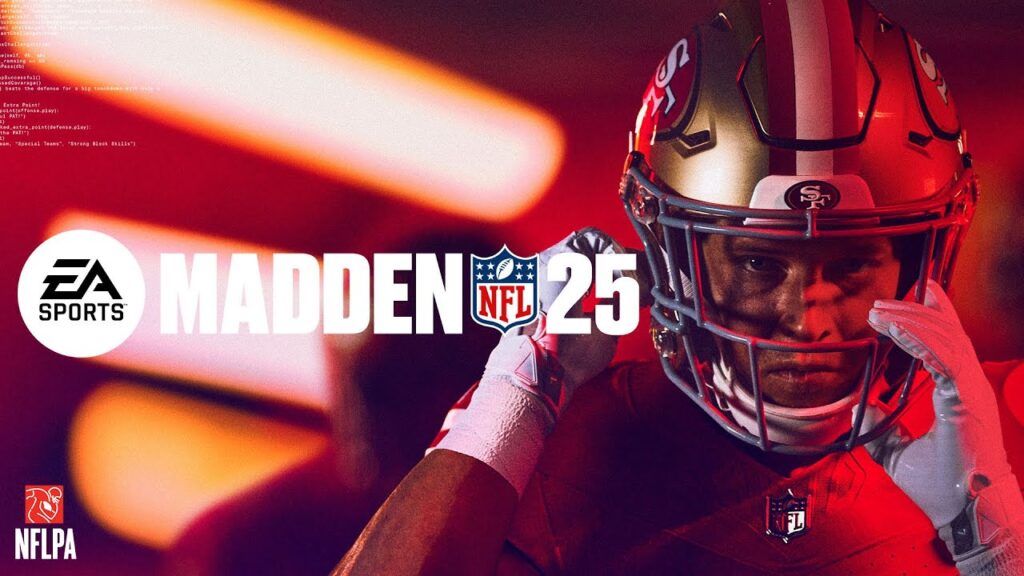
Football video games have come a long way from simple pixelated players running across a flat screen. What began as a basic digital representation of America’s favorite sport has evolved into a massive gaming genre filled with realistic gameplay, advanced physics, immersive career modes, and competitive online communities. At the center of this evolution stands the legendary Madden NFL franchise, a series that helped shape sports gaming into what it is today.
From arcade-style football experiences to hyper-realistic simulations, football gaming has transformed alongside advancements in technology. Today’s players expect lifelike animations, intelligent AI, customizable strategies, and deep online features. The journey from early football titles to modern releases reflects not only the growth of gaming hardware but also the increasing passion of football fans around the world.
The Early Days of Football Video Games
In the late 1970s and early 1980s, football games were extremely limited by hardware capabilities. Titles on early consoles like the Atari featured simplistic graphics, minimal gameplay mechanics, and basic controls. Despite their limitations, these games introduced players to the idea of controlling a football team from the comfort of their homes.
As gaming systems improved during the late 1980s and early 1990s, football games started becoming more recognizable and strategic. Developers added playbooks, player statistics, and smoother movement systems. While still far from realistic, these games captured the excitement of football in ways that earlier titles could not.
One of the major turning points came with the arrival of sports simulation games that focused on authenticity rather than pure arcade fun. This shift opened the door for franchises that would dominate the genre for decades.
The Rise of Madden NFL
Few sports games have had the cultural impact of Madden NFL. Named after legendary coach and commentator John Madden, the franchise debuted in 1988 and quickly established itself as the gold standard for football simulation.
Unlike many earlier football games, Madden emphasized realistic strategies and authentic gameplay. The developers worked closely with football experts to ensure formations, playbooks, and player behavior mirrored real NFL action. This attention to detail attracted hardcore football fans while remaining accessible to casual gamers.
Each yearly release introduced improvements in graphics, animations, commentary, and gameplay mechanics. As console technology advanced, Madden evolved from a basic sports title into a deeply immersive football experience.
Franchise mode became one of the series’ defining features. Players could manage teams over multiple seasons, draft rookies, negotiate contracts, and build dynasties. This level of control appealed to fans who loved both the on-field action and the management side of football.
The addition of online multiplayer further expanded the franchise’s popularity. Competing against real players brought a new level of excitement and unpredictability that AI opponents could never fully replicate.
Competition Shaped the Genre
Although Madden dominated the market, several other football franchises pushed innovation forward. Games like NFL 2K introduced smoother animations, improved presentation, and creative gameplay mechanics that challenged EA Sports to improve its own products.
The rivalry between Madden and NFL 2K during the early 2000s is still remembered as one of the most competitive periods in sports gaming history. Both franchises constantly added new features to outdo each other. Gamers benefited from this competition through better gameplay, more realistic visuals, and deeper game modes.
Arcade-style football games also carved out their own niche. Titles like NFL Blitz offered exaggerated hits, fast-paced gameplay, and over-the-top action that appealed to players looking for fun rather than realism.
These different approaches showed that football gaming could satisfy multiple audiences at the same time. Some players preferred authentic simulation, while others wanted quick, exciting matches with simplified mechanics.
Technological Advancements Changed Everything
Modern football games are almost unrecognizable compared to their early predecessors. Advancements in gaming hardware allowed developers to create realistic stadiums, lifelike player models, dynamic weather systems, and sophisticated AI behavior.
Motion capture technology became a major innovation. Real athletes performed movements that developers translated directly into the game, resulting in more natural animations. Quarterbacks now throw with distinct styles, receivers run realistic routes, and defenders react more intelligently to plays.
Physics engines also dramatically improved gameplay realism. Earlier games often relied on canned animations, but modern titles simulate collisions dynamically. Player size, momentum, and positioning now affect tackles and movement in meaningful ways.
Artificial intelligence has become increasingly advanced as well. Defenders adjust to offensive tendencies, offensive lines recognize blitzes, and quarterbacks make smarter decisions under pressure. These enhancements create a more authentic football experience that rewards strategy and skill.
Graphics improvements deserve special mention. Modern football games feature broadcast-quality visuals that closely resemble real NFL television coverage. Detailed crowd reactions, dynamic lighting, and realistic facial animations help immerse players in the action.
Online Gaming and Competitive Play
The internet changed football gaming forever. Online multiplayer transformed sports games from local couch competitions into global communities. Players can now compete against opponents worldwide, participate in tournaments, and stream gameplay to massive audiences.
Competitive gaming has become especially important for football titles. Ranked modes encourage players to improve their skills, learn advanced strategies, and build stronger teams. Online communities share tips, gameplay breakdowns, and tactical discussions daily.
Content creators and streamers have also helped football games reach larger audiences. Platforms like YouTube and Twitch gave skilled players opportunities to entertain and educate viewers through gameplay analysis and tutorials.
Modern gamers constantly seek gameplay improvement and performance optimization. Many players experiment with controller settings, visual tweaks, and advanced strategies to gain a competitive edge. Others look for game enhancements that improve responsiveness, customization, or practice efficiency. Discussions about gameplay tools and competitive optimization can often be found on gaming communities and forums such as on Battlelog.co, where players exchange information about various multiplayer titles and gameplay experiences.
Beyond Madden: Expanding the Football Gaming Experience
While Madden remains the most recognizable football game franchise, the genre has expanded beyond traditional NFL simulations. College football games, fantasy football integrations, and mobile football titles have broadened the audience significantly.
The return of EA Sports College Football generated enormous excitement among fans who missed the atmosphere and traditions of college football gaming. These games offer different experiences from NFL titles, focusing on recruiting, school rivalries, and unique stadium traditions.
Mobile gaming also introduced football games to casual audiences worldwide. Simplified controls and shorter match lengths made football gaming accessible to players who may never have owned a console.
Virtual reality and cloud gaming may represent the next major frontier. VR football experiences could eventually place players directly on the field, offering immersive first-person gameplay unlike anything currently available. Cloud gaming services may also make high-end football games playable on a wider range of devices without expensive hardware.
The Importance of Realism and Immersion
One of the defining trends in football gaming has been the pursuit of realism. Developers continuously aim to recreate every detail of the sport, from player emotions to crowd noise and sideline interactions.
Commentary systems have become increasingly sophisticated over the years. Modern announcers reference player statistics, past performances, and in-game situations dynamically. This creates broadcasts that feel closer to real NFL presentations.
Career modes also contribute heavily to immersion. Players can create custom athletes, navigate drafts, negotiate contracts, and build Hall of Fame careers. These modes give fans the opportunity to experience football from a player’s perspective rather than simply controlling a team.
Customization features further deepen engagement. Players can modify uniforms, stadiums, playbooks, and even entire leagues. These creative tools help communities stay active long after release.
Football Gaming as a Cultural Phenomenon
Football games are no longer just entertainment products. They have become part of sports culture itself. NFL athletes frequently play Madden competitively, and some fans use football games to better understand real-world formations and strategies.
The annual release of Madden has become a major event within the gaming industry. Player ratings spark debates among fans, while trailers showcasing new gameplay features generate massive online discussions.
Football gaming also bridges generations. Older players remember classic arcade football titles, while younger gamers experience highly realistic simulations with online connectivity and esports potential. Despite these differences, the core excitement of football remains the same.
The Future of Football Gaming
The future of football gaming looks incredibly promising. Artificial intelligence, machine learning, and advanced physics systems will likely make future games even more realistic and dynamic.
Developers are already experimenting with smarter AI teammates, procedural animations, and deeper tactical systems. Future football games may adapt dynamically to player tendencies in ways that feel almost human.
Cross-platform gaming will probably continue expanding, allowing friends on different systems to compete together seamlessly. Improved online infrastructure could also reduce lag and create smoother competitive experiences.
Customization and personalization will likely become even more important as well. Players increasingly want unique experiences tailored to their preferences, whether through custom leagues, personalized gameplay sliders, or user-generated content.
At the same time, developers must balance realism with accessibility. Football games succeed when they welcome newcomers while still rewarding experienced players who master advanced strategies.
Conclusion
Football gaming has evolved from simple arcade entertainment into one of the most advanced genres in the gaming industry. Franchises like Madden NFL helped establish the foundation for realistic sports simulations, while competitors and technological innovations pushed the genre forward.
Today’s football games deliver cinematic presentation, deep strategic gameplay, online competition, and immersive career experiences that would have seemed impossible decades ago. As technology continues to improve, football gaming will likely become even more realistic, interactive, and globally connected.
Whether players enjoy realistic NFL simulations, fast-paced arcade action, or competitive online matches, football gaming continues to capture the excitement and intensity of the sport itself. The evolution is far from over, and the next generation of football games may redefine sports entertainment once again.

NFL Draft Diamonds was created to assist the underdogs playing the sport. We call them diamonds in the rough. My name is Damond Talbot, I have worked extremely hard to help hundreds of small school players over the past several years, and will continue my mission. We have several contributors on this site, and if they contribute their name and contact will be in the piece above. You can email me at nfldraftdiamonds@gmail.com