
FCS Draft Surge: The Rise of Small-School Prospects in Modern NFL Conversations
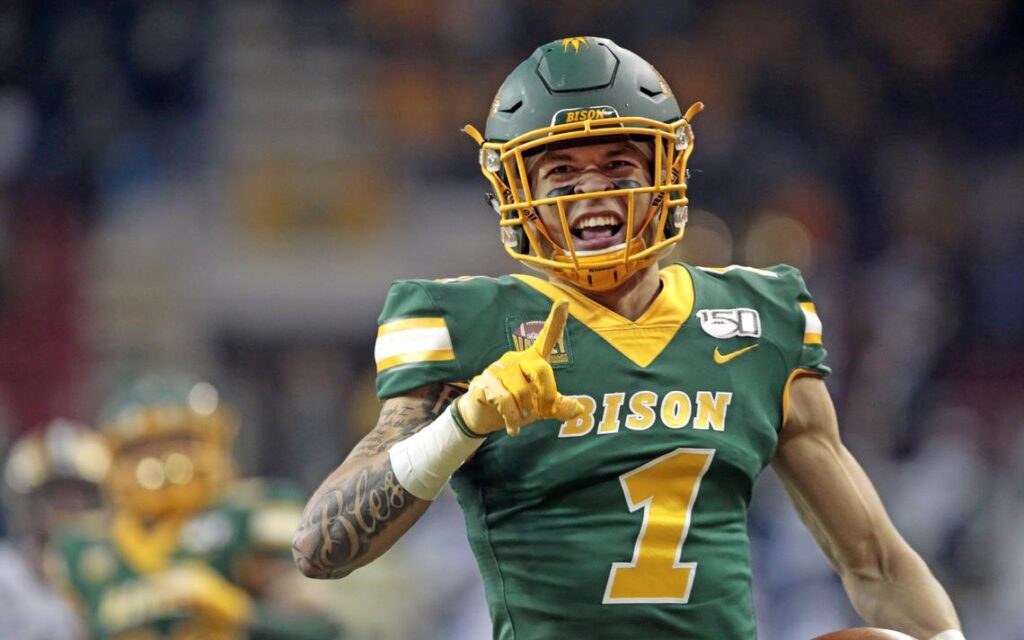
Every spring, draft chatter once focused almost entirely on blue-blood programs such as Alabama or Ohio State. Today that narrative feels outdated. Championship rosters increasingly feature players who sharpened skills on modest Football Championship Subdivision (FCS) fields, developing technique rather than basking in national-television spotlights. Scouting departments now invest travel budgets and analytics staff in campuses previously ignored by prime-time broadcasts.
Industry analysts at Platabet note that betting lines on draft position shift more dramatically when an FCS prospect posts elite testing numbers, proving that public perception still plays catch-up with front-office reality. Odds movement illustrates how quickly a breakout performance at the Senior Bowl or the NFL Combine can rewrite long-held assumptions about competition level and pro readiness.
Why FCS Programs Produce Hidden Gems
Recruiting rankings often overlook late bloomers who lack early exposure. Many future standouts accept FCS offers to secure playing time rather than serve as depth pieces at Power Five schools. The result is four years of live reps, leadership roles, and system versatility. Professional scouts value film that shows a lineman handling multiple blocking schemes or a cornerback shadowing varied route trees. Consistent snaps against mixed talent provide that evidence.
Off-season rule changes also shrink the gap between subdivisions. Advanced nutrition plans, motion-capture training, and cloud-based playbooks now reach smaller campuses, delivering development resources once reserved for elite conferences. Coaching staffs use these tools to craft schemes that showcase athletic traits in ways that translate to pro playbooks.
Key Factors Elevating FCS Draft Stock
- High snap counts leading to refined situational awareness
- Adaptive coaching philosophies emphasizing technique over raw speed
- Year-round strength programs closing measurable gaps in size and explosiveness
Data-Driven Scouting Rewrites the Map
Modern front offices trust predictive metrics alongside gut instinct. Player-tracking wearables log acceleration, deceleration, and change-of-direction efficiency during practice. When an FCS linebacker records shuttle times on par with SEC peers, algorithms flag the outlier, prompting deeper tape study. Cross-verification minimizes bias that once discounted small-school production.
Film platforms tag every rep, letting evaluators filter by formation, down, distance, and weather conditions. This granular view reveals whether dominance stems from scheme advantage or pro-level skill. FCS prospects who grade well across filters climb big boards no matter the logo on the helmet.
Case Studies Fueling the Trend
Media outlets love Cinderella stories, but franchises base decisions on repeatable patterns. Recent drafts offer convincing proof. All-Pro tandem Troy Andersen and Cooper Kupp each transitioned from FCS stardom to NFL impact within two seasons, validating projection models. Their success encourages general managers to allocate more middle-round capital to similar profiles.
Production-to-Projection Success Stories
- Versatile defenders converting safety snaps into hybrid linebacker roles at the next level
- Slot receivers translating complex option routes into immediate third-down reliability
- Interior linemen leveraging wrestling backgrounds for leverage mastery against elite pass rushers
These archetypes guide current scouting templates when assessing small-school candidates.
Developmental Upside Versus Immediate Impact
Critics argue that weaker competition masks flaws. Supporters counter that FCS athletes often possess higher ceilings because technical coaching remains fresh clay. Rookie deals grant teams four to five seasons of cost-controlled growth. An offensive tackle with ideal arm length but raw footwork represents a worthwhile gamble when similar measurables cost a first-round pick out of a major conference.
Front offices now balance pipelines carefully selecting polished Power Five starters for instant depth and grooming FCS specimens as long-range starters. This blended strategy mitigates risk while preserving upside.
Scouting Checklist for Small-School Evaluation
- Verify athletic baselines with regional combine testing
- Cross-reference game film against FBS opponents or postseason all-star events
- Conduct psychological interviews to gauge adaptability to complex systems
Media Coverage Expands Visibility
Streaming services broadcast more non-conference clashes, and social platforms circulate highlight reels in real time. Fans no longer discover FCS names exclusively on draft weekend; instead, breakout plays trend on Saturday afternoons. Increased exposure pressures professional clubs to accelerate due diligence, lest a rival franchise steal value late in the process.
Podcast analysts dedicate segments to “under-the-radar” candidates, further democratizing scouting conversation. Grassroots excitement improves a prospect’s brand equity, aiding endorsement opportunities and easing market adjustments when stepping into national limelight.
Conclusion: Opportunity Grows Where Attention Flows
Front-office investment in technology, combined with athletes’ willingness to forge unique paths, propels FCS prospects into mainstream draft debate. Data confirm that performance outweighs pedigree when metrics align with pro thresholds. As more small-school alumni earn starting roles and Pro Bowl nods, skepticism fades.
Future draft cycles will likely feature even deeper FCS representation as training resources continue to equalize. Website owners, podcast hosts, and betting platforms tracking amateur talent would be wise to expand coverage maps now. Ignoring the subdivision pipeline risks overlooking tomorrow’s household names, a lesson recent seasons have driven home with each highlight catch and game-saving tackle born on a once-quiet campus.

NFL Draft Diamonds was created to assist the underdogs playing the sport. We call them diamonds in the rough. My name is Damond Talbot, I have worked extremely hard to help hundreds of small school players over the past several years, and will continue my mission. We have several contributors on this site, and if they contribute their name and contact will be in the piece above. You can email me at nfldraftdiamonds@gmail.com