
Should You Keep Your Low-Rate Home as a Rental When You Move?
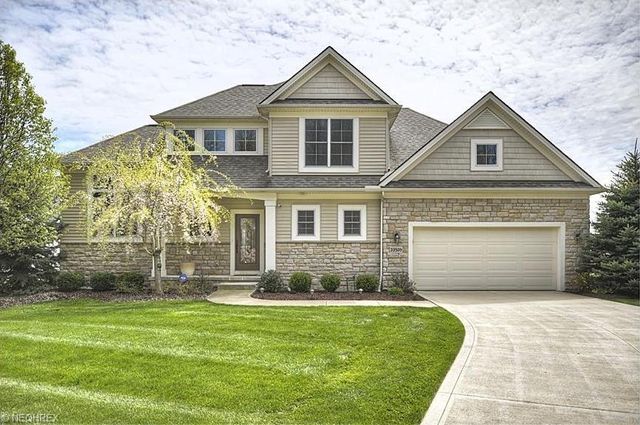
You need to move — a new job, a growing family, a city you’ve always wanted to try — but you’re sitting on a mortgage rate under 4%. Selling feels like giving up something hard to replace. Renting the home out instead is an option more people are considering: it lets you hold onto a rare financial asset while someone else covers most of the carrying costs. But it also turns you into a landlord overnight, and that shift comes with its own math and demands.
Here’s how to think through the decision clearly before you commit either way.
Understand What You’re Actually Holding Onto
A mortgage rate under 4% isn’t just a number — it’s a spread. Right now, rates on new purchases are substantially higher, which means the monthly payment on a comparable home would cost you meaningfully more. That gap is real money, and it doesn’t disappear just because you move. Keeping the home as a rental means that locked-in rate keeps working for you, and your tenant’s rent covers a payment that a new buyer would envy.
That financial logic is part of why so many homeowners with low rates resist selling. Rocket Mortgage’s research-backed look at mortgage rate lock-in found that 46% of homeowners holding rates under 4% plan to stay put for at least ten more years. For those who do need to move, converting the home to a rental is one way to hold that asset without giving it up.
Run the Numbers Before You Decide
The decision to rent starts with a simple question: can the rent cover your costs? Add up your mortgage payment, property taxes, insurance, and a reserve for maintenance — typically 1% to 2% of the home’s value per year. Then research what comparable properties rent for in your area. If the numbers work, you have a viable rental. If rent falls well short of carrying costs, you’re subsidizing a tenant, and that changes the calculus.
Also factor in vacancy. Most landlords plan for one to two months of vacancy per year. If the rent barely covers costs at 100% occupancy, a slow stretch between tenants can create real cash-flow pressure. Build that buffer in from the start.
Know What Being a Landlord Actually Requires
Owning a rental and managing it yourself are two different jobs. Before you commit, be honest about which role you’re signing up for. Self-managing means fielding maintenance calls, vetting tenants, handling lease renewals, and staying current on local landlord-tenant law. It works well if the property is nearby and you’re comfortable with that level of involvement.
If you’re moving across the country, a property manager is usually worth the cost. Managers typically charge 8% to 12% of monthly rent plus leasing fees, handling day-to-day operations in exchange. That reduces your cash flow but buys real distance from the work.
Check the Tax Picture
Renting a home you previously lived in creates a tax situation worth reviewing with an accountant. Rental income is taxable and reported on Schedule E, but you can deduct mortgage interest, property taxes, insurance, depreciation, repairs, and management fees. Depreciation alone can offset a significant portion of rental income each year, which many new landlords overlook. Getting professional advice early also helps you avoid the kind of misunderstandings with tax authorities that can escalate into formal disputes, so if questions ever arise over how income or deductions were reported, having guidance on tax dispute resolution can help resolve things smoothly.
One thing to watch: the IRS allows homeowners to exclude up to $250,000 in capital gains ($500,000 for married couples) on the sale of a primary residence, but only if you’ve lived there two of the last five years. Renting the home doesn’t stop that clock, so track where you stand before the window closes.
Protect Yourself With the Right Coverage
Your current homeowner’s insurance policy won’t cover a rental property. You’ll need a landlord policy, which typically costs 15% to 25% more than standard homeowner’s coverage and is designed for properties occupied by tenants rather than the owner. It covers the structure, liability, and in some cases lost rental income if the home becomes uninhabitable.
You may also want to require tenants to carry renter’s insurance as a condition of the lease. It protects their belongings and can reduce friction if there’s ever a dispute over property damage.
Think About the Long Game
The rental decision isn’t just about the next year. If you plan to return to the area eventually, holding the home keeps that option open. If you’re putting down permanent roots somewhere else, you’ll likely sell at some point — and the timing of that sale matters for taxes and market conditions.
Some homeowners hold a rental for a few years to let the market develop, then sell when timing is favorable. Others treat it as a long-term wealth-building asset. Neither is wrong. Knowing your horizon helps you make smarter decisions along the way — like whether to invest in upgrades that justify higher rent or keep things simple and maximize cash flow.
When Selling Is the Smarter Move
Renting is a good fit when the numbers work and you’re comfortable with the landlord role. But selling makes sense too. If the property won’t cash-flow, if you need the equity for your next purchase, or if managing from a distance isn’t realistic, selling lets you walk away clean and put that capital to work elsewhere. The decision depends on your finances, your plans, and how much ongoing responsibility you want to carry.
References
- Internal Revenue Service. Topic No. 414, Rental Income and Expenses. https://www.irs.gov/taxtopics/tc414
- Consumer Financial Protection Bureau. Thinking About Buying a Home? Here’s What You Need to Know About Being a Landlord. https://www.consumerfinance.gov/about-us/blog/thinking-about-buying-a-home-heres-what-you-need-to-know-about-being-a-landlord/

NFL Draft Diamonds was created to assist the underdogs playing the sport. We call them diamonds in the rough. My name is Damond Talbot, I have worked extremely hard to help hundreds of small school players over the past several years, and will continue my mission. We have several contributors on this site, and if they contribute their name and contact will be in the piece above. You can email me at nfldraftdiamonds@gmail.com