
Training Smarter: Heat Management Tools Every Prospect Should Know
Why Heat Management Matters in Training
Whether you are an aspiring athlete, a fitness enthusiast, or someone preparing for physically demanding work, training in hot conditions can significantly impact your performance and safety. Heat stress is not just uncomfortable; it can reduce endurance, slow recovery, and in extreme cases lead to serious health risks such as heat exhaustion or heat stroke. That is why learning how to manage heat effectively is essential for anyone looking to train smarter rather than just harder.
When your body overheats, it diverts energy away from muscles toward cooling mechanisms like sweating and increased blood flow to the skin. This reduces overall efficiency and can lead to early fatigue. By integrating proper heat management tools into your routine, you can maintain performance levels, improve recovery, and train more consistently over time.
The Role of Cooling Gear in Performance
One of the most effective ways to combat heat during training is by using specialized cooling gear. These tools are designed to regulate body temperature and provide immediate relief during intense sessions.
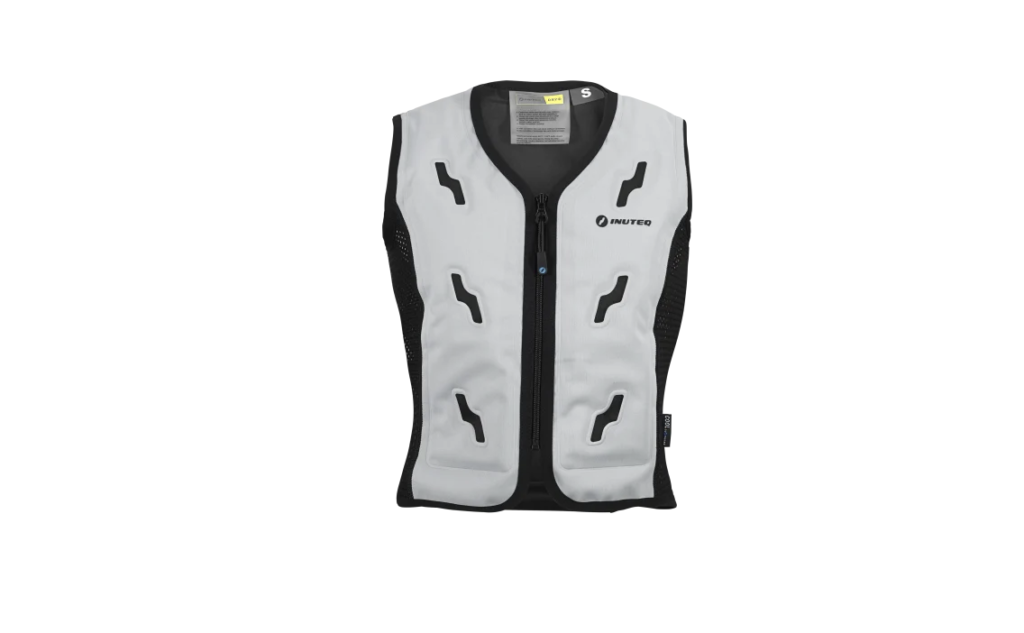
A popular and highly effective option is a cooling vest. They work by absorbing heat from your body and keeping your core temperature stable. This allows you to train longer and at higher intensity levels without overheating. Many athletes use them during warm ups, rest periods, or even throughout training sessions in extreme conditions.
Cooling vests are especially useful for outdoor training in summer months or in environments where heat exposure is unavoidable. They are lightweight, reusable, and designed for comfort, making them a practical addition to any training kit.
Hydration and Electrolyte Balance
While cooling gear is important, it should always be combined with proper hydration strategies. Water alone is not always enough, especially during prolonged or high intensity training. When you sweat, you lose essential electrolytes such as sodium, potassium, and magnesium. These minerals are critical for muscle function and overall performance.
To train effectively in the heat, consider using electrolyte drinks or supplements. Drinking consistently before, during, and after training helps maintain fluid balance and prevents dehydration. A good rule of thumb is to drink before you feel thirsty, as thirst is often a sign that dehydration has already begun.
Smart Clothing Choices
The clothes you wear during training can also have a significant impact on how your body handles heat. Lightweight, breathable fabrics that wick away moisture are ideal. These materials allow sweat to evaporate more efficiently, which helps cool your body naturally.
Avoid heavy or dark colored clothing, as these tend to absorb more heat. Instead, opt for light colored apparel designed specifically for athletic performance. Combining proper clothing with cooling tools can dramatically improve comfort and endurance.
Timing Your Training Sessions
Another simple yet powerful strategy is to adjust the timing of your workouts. Training during cooler parts of the day, such as early morning or late evening, can reduce heat exposure and improve performance.
If training during peak heat is unavoidable, make sure to incorporate longer rest periods and use shaded or indoor areas whenever possible. Listening to your body is key. Pushing through extreme heat without proper precautions can do more harm than good.
Recovery and Post Training Cooling
Heat management does not stop when your workout ends. Recovery is just as important as the training itself. Cooling down properly helps your body return to its normal state and reduces the risk of prolonged fatigue.
Cold showers, ice baths, and cooling towels are effective recovery tools. They help lower core temperature and reduce inflammation in muscles. Using cooling gear during recovery can also accelerate the process and prepare you for your next session.
For those serious about optimizing their training, exploring advanced cooling solutions from brands like Inuteq can make a noticeable difference. Their range of products is designed to support athletes and professionals working in high heat environments, making them a valuable resource for anyone looking to improve performance safely.
Building a Heat Smart Training Routine
Training smarter means understanding your environment and adapting accordingly. Heat should not be seen as an obstacle but as a factor that can be managed with the right tools and strategies.
Start by assessing your current routine and identifying where heat may be impacting your performance. Incorporate cooling gear, improve hydration habits, and make smarter choices about clothing and timing. Small adjustments can lead to significant improvements over time.
Consistency is key. By making heat management a regular part of your training routine, you will not only enhance performance but also protect your health and longevity in your sport or activity.
Final Thoughts
Heat management is often overlooked, yet it plays a crucial role in achieving peak performance. From innovative cooling gear to simple lifestyle adjustments, there are many ways to stay ahead of the heat.
By investing in the right tools and strategies, you can train more efficiently, recover faster, and perform at your best even in challenging conditions. Training smarter is not about pushing harder at all costs, but about making informed choices that support long term success.

NFL Draft Diamonds was created to assist the underdogs playing the sport. We call them diamonds in the rough. My name is Damond Talbot, I have worked extremely hard to help hundreds of small school players over the past several years, and will continue my mission. We have several contributors on this site, and if they contribute their name and contact will be in the piece above. You can email me at nfldraftdiamonds@gmail.com