
The 2026 Rookie Class Could Reshape Fantasy Football Earlier Than Expected
Every fantasy football season has rookies who get pushed too far up draft boards and rookies who are ignored until it is too late. The 2026 class may give us both.
This group does not need to be viewed as an all-time rookie class to matter early. What makes it interesting is the combination of draft capital, landing spot, and immediate opportunity.
Several first-year players walked into situations where they may not have the luxury of sitting behind veterans for very long. For fantasy managers, that means the rookie conversation cannot wait until September waiver wires.
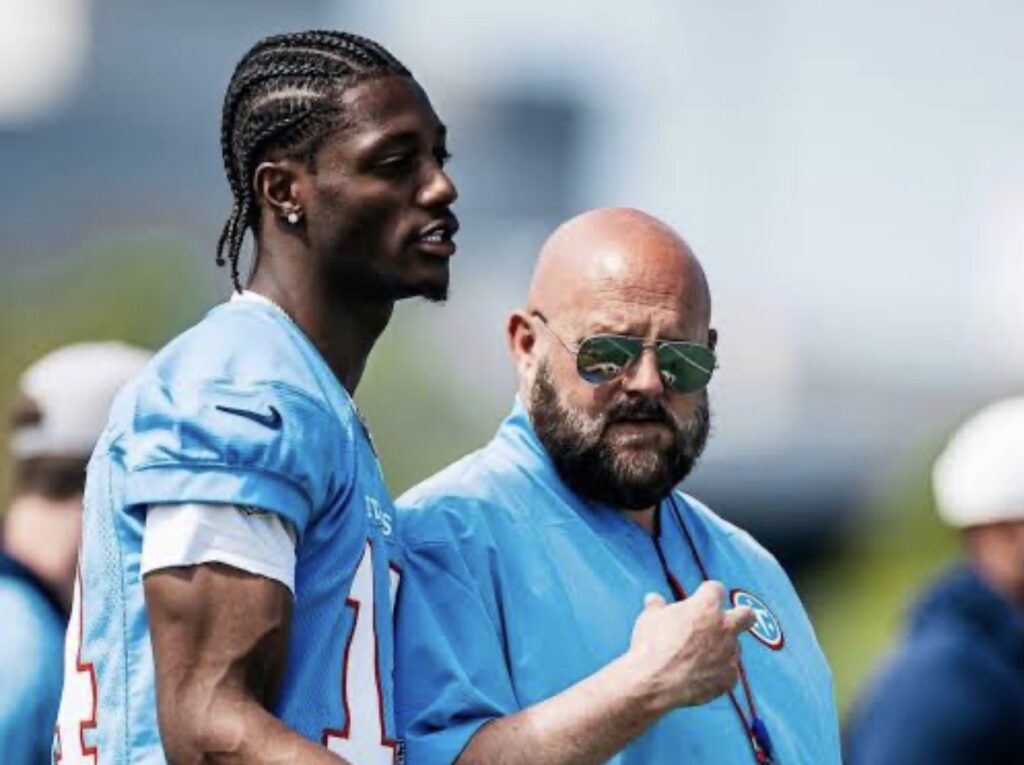
Jeremiyah Love in Arizona, Jadarian Price in Seattle, Carnell Tate in Tennessee, and Jordyn Tyson in New Orleans all bring different kinds of fantasy intrigue. Some offer immediate volume. Others offer target upside. The common thread is simple: their teams invested enough in them that fantasy managers have to take the early signals seriously.
Draft Capital Is Forcing Fantasy Managers to Pay Attention
Talent matters, but draft capital tells us how badly a team wants to make a player part of the plan.
That is why Jeremiyah Love is the obvious starting point. Arizona selecting the Notre Dame running back third overall was not a casual depth move. Running backs do not go that high unless an organization believes the player can change the identity of the offense. Love brings explosive ability, receiving value, and the kind of three-down profile that can translate quickly if the Cardinals give him high-value touches.
For fantasy purposes, that matters more than almost anything else. A rookie back does not need 25 touches per game to matter if he is involved near the goal line and in the passing game. If Love earns those snaps early, he could move from exciting rookie to weekly starter before some managers are ready to adjust.
Carnell Tate is a different case, but the logic is similar. Rookie wide receivers usually require more patience because timing, route detail, and quarterback trust take time. Still, Tennessee’s investment gives Tate a path to immediate relevance. If he earns a meaningful target share early, he can become more than a dynasty stash.
Jordyn Tyson’s situation in New Orleans is also worth watching. Playing alongside Chris Olave could prevent defenses from treating him as the only problem in the passing game, but it also means Tyson needs a clearly defined role. If he becomes a regular part of three-wide sets and red-zone packages, fantasy managers will not be able to ignore him for long.
The Running Backs Could Move Faster Than the Receivers
Rookie running backs often have the cleanest path to early fantasy value because touches can be manufactured. A coaching staff can script carries, screens, checkdowns, and red-zone packages before a rookie fully masters every detail of the offense.
That is why Love and Price may become the early movers in fantasy drafts.
Price is especially interesting because his profile may divide fantasy rooms. Recent Seahawks coverage has already framed him as a player positioned for a major role in a reshaped backfield.
He does not enter the league with the same top-three spotlight as Love, but Seattle using a first-round pick on him is a clear signal. He brings explosiveness, special-teams ability, and enough big-play juice to force touches if he shows he can handle protection responsibilities.
The concern is role clarity. If Price is splitting early-down work, fighting for third-down snaps, or being eased in behind veterans, he may be frustrating in traditional redraft leagues. But if camp reports point toward a growing role, he becomes exactly the type of player fantasy managers want to identify before average draft position catches up.
Wide receivers are trickier. Tate and Tyson may both have paths to relevance, but rookie receivers often deliver uneven weekly production. One week they look like future stars. The next week they run 28 routes and see three targets. That does not make them bad fantasy picks, but it does make their price important.
DFS and Best Ball Managers May React Before Redraft Managers
The most important thing with this rookie class is understanding that every fantasy format reacts differently.
Redraft managers usually want stable weekly volume. Dynasty managers care more about long-term talent and role growth. Best ball managers are willing to accept volatility if a rookie can deliver spike weeks. DFS players may react even faster because they are looking for salary gaps, matchup leverage, and usage changes before the field fully adjusts.
That is where rookies can create an edge. A player does not need to be a locked-in season-long starter to matter on a given slate. He needs a role that is expanding faster than his salary, a matchup that fits his skill set, or a depth-chart change that has not been fully priced in.
As Nate Lin, DFS Specialist at BettingScanner.com, puts it: “With rookies, the edge usually comes before the box score catches up. By the time everyone sees the breakout, the salary, ownership, and market have usually adjusted. The sharper play is identifying when usage is quietly moving before the public reacts.”
That is the right way to think about players like Price, Tate, and Tyson. Their value may not be obvious from season-long projections alone. It may show up first in snap counts, route participation, red-zone usage, or how quickly their coaching staffs trust them in specific packages.
For best ball managers, that can mean drafting rookies who may not have safe weekly floors but can swing a few weeks with explosive plays. For DFS players, it can mean watching early-season pricing carefully. For redraft managers, it means staying flexible instead of writing off rookies who do not explode in Week 1.
Training Camp Will Separate Real Roles From Rookie Hype
The danger with rookies is that hype can get ahead of football reality.
Training camp will tell us which players are actually moving toward usable roles. First-team reps matter. Third-down work matters. Pass protection matters for running backs. Alignment matters for receivers. If Tate is moving around the formation and earning targets with the starters, that is different from simply being praised for athleticism. If Tyson is getting red-zone looks, that changes his fantasy profile. If Price is trusted in passing situations, his ceiling rises quickly.
Preseason usage will also matter. Fantasy managers should not overreact to one long touchdown in August, but they should pay attention to who plays with starters, who handles high-value snaps, and who is being used in ways that translate to real games.
The 2026 rookie class may not need five instant stars to reshape fantasy football. If Love becomes a weekly starter, Price earns meaningful touches, and one of Tate or Tyson commands reliable volume, managers will be forced to adjust quickly.
The edge will not come from blindly chasing every rookie. It will come from identifying which rookies have real roles before the rest of the fantasy market fully catches up.

NFL Draft Diamonds was created to assist the underdogs playing the sport. We call them diamonds in the rough. My name is Damond Talbot, I have worked extremely hard to help hundreds of small school players over the past several years, and will continue my mission. We have several contributors on this site, and if they contribute their name and contact will be in the piece above. You can email me at nfldraftdiamonds@gmail.com