
The Physical Demands That Separate College Football From the NFL
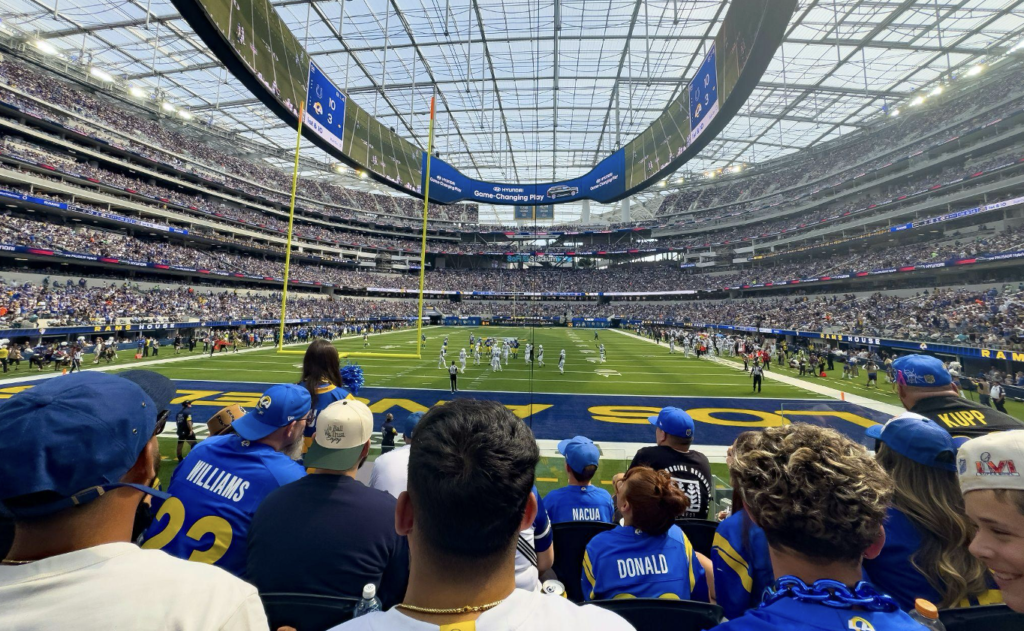
College football and the NFL share the same fundamental objective, but the physical demands placed on players can be considerably different. Every year, talented college athletes enter professional football expecting to compete against the best players in the country. Many quickly discover that athletic success at the collegiate level does not automatically translate into professional performance.
The transition involves more than adapting to faster opponents or learning complicated playbooks. NFL athletes face greater consistency in competition, demanding preparation schedules, and the challenge of maintaining peak performance against experienced professionals.
College football provides an important foundation for developing strength, speed, and technical ability. However, professional football requires athletes to combine those qualities with exceptional recovery habits, physical resilience, and long-term conditioning. Understanding these differences reveals why even outstanding college players sometimes need considerable time to adjust to the NFL.
Recovery Becomes a Major Part of Professional Performance
Recovery is important at every level of competitive football, but the demands of an NFL season make it especially significant. Professional players must manage repeated physical contact, intensive practices, extensive travel, and the gradual accumulation of fatigue.
NFL organizations typically provide access to athletic trainers, strength specialists, nutrition professionals, and medical personnel. These resources help players develop individualized routines based on their physical requirements and injury histories.
Modern sports facilities are increasingly investing in equipment that goes beyond traditional training and fitness solutions. Companies such as https://oxify.com/ offer hyperbaric oxygen chambers that can become part of a facility’s specialized service offerings. These additions reflect a broader shift toward more sophisticated sports environments, where innovative equipment and diverse wellness options help facilities appeal to athletes and fitness enthusiasts.
Ultimately, effective recovery involves consistent sleep, nutrition, hydration, appropriate training loads, and medical supervision. Players who manage these responsibilities effectively may be better prepared to sustain performance throughout a demanding professional season.
NFL Players Face Stronger and More Consistent Competition
One of the biggest differences between college football and the NFL is the average quality of the opposition. College teams feature athletes with varying levels of physical development, experience, and future professional potential.
In the NFL, nearly every player has already demonstrated exceptional ability. Defensive linemen combine tremendous strength with surprising acceleration, while linebackers and defensive backs possess the speed needed to challenge sophisticated offensive systems.
This consistency reduces the physical advantages that dominant college athletes may previously have enjoyed. A running back accustomed to escaping tackles through raw speed may discover that professional defenders close available space much faster.
Similarly, offensive linemen must repeatedly compete against powerful, technically skilled opponents. Physical strength remains essential, but positioning, balance, and technique become equally important.
The transition requires players to perform efficiently against elite competition rather than relying exclusively on natural athletic ability.
The Length of the Season Tests Physical Endurance
College football programs typically play a shorter regular season than NFL teams. Professional players must navigate a 17-game regular-season schedule across 18 weeks, with additional games possible during the playoffs.
This extended schedule creates considerable demands on muscles, joints, and overall physical conditioning. Players must prepare for weekly competition while managing limited opportunities for complete recovery.
Travel adds another challenge. Changing time zones, spending extended periods away from home, and adjusting sleeping schedules can influence how players feel before important games.
NFL veterans often learn to manage their energy throughout the season rather than approaching every training session with maximum intensity.
Maintaining performance requires careful coordination between conditioning programs, practice schedules, and individual recovery needs. Endurance in professional football is therefore about sustaining readiness across months of competition, not simply surviving a demanding game.
Faster Decisions Increase the Physical Pressure
The NFL’s physical demands are closely connected to the speed of decision-making. Professional defensive schemes are complex, and players have less time to recognize formations, anticipate movement, and react appropriately.
Quarterbacks must identify coverage changes while facing powerful pass rushers. Running backs need to recognize developing gaps immediately, and receivers must adjust their routes against experienced defensive backs.
These decisions occur while athletes are accelerating, changing direction, and absorbing contact. Mental processing and physical execution must function together.
A player who hesitates briefly can lose an advantage that would have remained available in college competition.
Professional preparation therefore emphasizes film study, situational awareness, and repetition. Greater familiarity with opposing strategies allows players to react more efficiently without relying on physical speed alone.
Strength Training Becomes More Specialized
College strength programs help athletes establish the physical foundations required for competitive football. However, professional conditioning often becomes more individualized according to position, experience, and injury history.
An offensive lineman has different physical requirements from a wide receiver or defensive back. While linemen prioritize powerful movement and stability, receivers need explosive acceleration, agility, and the ability to change direction efficiently.
NFL training programs must also account for athletes at different career stages. Younger players may focus on developing strength, while veterans frequently prioritize maintaining performance and managing accumulated physical stress.
Mobility, balance, and movement efficiency become important considerations alongside traditional weight training.
The objective is not necessarily becoming bigger or stronger every year. It is developing the physical characteristics that allow a player to perform their particular role effectively.
Physical Resilience Often Determines Career Longevity
Reaching the NFL requires exceptional athletic ability, but maintaining a professional career demands resilience and adaptability. Repeated collisions, demanding schedules, and competitive pressure can influence how players approach training as they gain experience.
Successful veterans frequently adjust their preparation habits to accommodate changing physical needs. They may modify training intensity, emphasize movement quality, or devote additional attention to previously injured areas.
Medical care and appropriate rehabilitation are essential when injuries occur. Returning to competition requires decisions based on individual recovery rather than external expectations.
The difference between college and professional football ultimately extends beyond physical size and speed. NFL players must combine exceptional athleticism with preparation, technical precision, and the ability to sustain demanding performance standards.
College football develops the foundations of elite competition, but the professional game tests how consistently those abilities can be maintained. For players hoping to build lasting NFL careers, physical intelligence and disciplined preparation are just as important as natural talent.
NFL Draft Diamonds was created to assist the underdogs playing the sport. We call them diamonds in the rough. My name is Damond Talbot, I have worked extremely hard to help hundreds of small school players over the past several years, and will continue my mission. We have several contributors on this site, and if they contribute their name and contact will be in the piece above. You can email me at nfldraftdiamonds@gmail.com