
How Combat Hand-Fighting Helps Small-School Prospects Win the Trenches
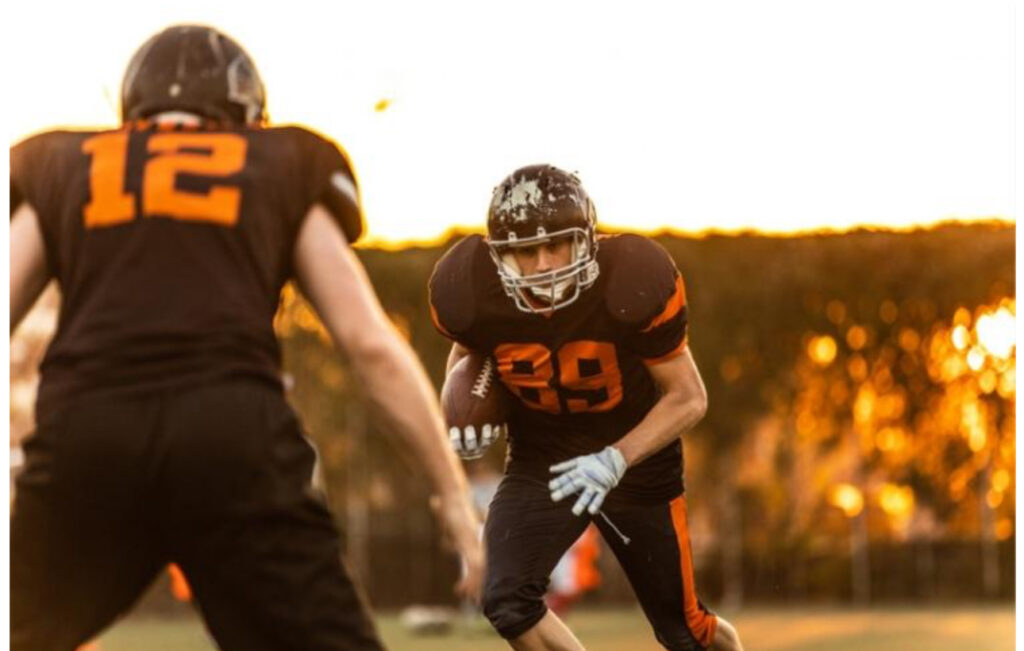
The battle in the trenches has always decided games. The difference now is how players are winning that battle. For small-school and underdog NFL prospects, one technical area has become a real separator: combat hand-fighting.
It is no longer enough to “play with good hands.” Teams want linemen and front-seven defenders who treat every snap like a controlled fight: winning wrists, clearing contact, controlling frames, and dictating leverage in a space measured in inches, not yards. That is where overlooked prospects can close (or erase) the gap with five-star recruits.
What follows is a clear look at how combat hand-fighting is changing trench play, why it’s especially valuable for under-the-radar prospects, and how scouts can spot it on film.
What “Combat Hand-Fighting” Really Means in Line Play
Combat hand-fighting refers to the deliberate use of hand control, placement, and counters to win the first contact phase of a trench rep. For trench players, combat hand-fighting is a set of skills built around three core ideas:
● Control the opponent’s hands before they control yours
● Win leverage and angles with your upper body before power fully loads
● Maintain balance and posture while constantly re-fighting for position
Instead of firing both hands and hoping to land a clean punch, high-level prospects are using:
● Independent hand usage (one hand strikes, the other protects or counters)
● Swipes, chops, and clubs to remove strikes before they land
● Posts and frames to stop momentum without overleaning
● Rapid re-fits when initial hand placement isn’t clean
Those are measurable, repeatable performance traits.
The Technical Roots of Combat Hand-Fighting
Modern hand-fighting borrows heavily from wrestling and Brazilian jiu-jitsu, where controlling grips and frames determines who wins the first engagement. For trench players, several of those mechanics translate directly: wrist control to disrupt strikes, framing to manage space, pummeling for inside position, and regaining posture when contact breaks down.
Because those skills are difficult to develop through football drills alone, many prospects now incorporate controlled grappling work in the offseason to sharpen their hand control and balance. These sessions rely on durable, grip-ready training wear, such as BJJ gear from Kingz, that can hold up to the same high-contact, grip-intensive reps linemen work through when practicing these mechanics.
The aim of these drills isn’t to turn linemen into grapplers, but to apply proven hand-control mechanics to football’s tight-space engagements.
Why Deliberate Hand Control Is Now a Separator
Modern offenses get the ball out quickly. Average time to throw in most systems hovers in the 2.4–2.7 second range. That gives trench players almost no margin for error.
For offensive linemen, this means:
● One wasted strike can be the difference between a pressure and a clean pocket
● Overextending on a punch can invite counters, inside moves, and secondary rushes
For defensive linemen and edge rushers, it means:
● Winning late in the down often does not matter; you must win fast
● You cannot rely on pure power; you must defeat the punch early and get to an edge
Combat hand-fighting directly targets these timing issues. When a prospect wins the hands in the first half-second, they either:
● Keep the pocket structurally sound (OL)
● Force the quarterback to reset or move (DL/EDGE)
That impact shows up in:
● Pressures allowed or generated per true pass set
● Pass block / pass rush win rates in charting
● “Time to first meaningful contact” when scouts break down film
Even without full tracking data, evaluators can see differences snap by snap.
Why Combat Hand-Fighting Is a Weapon for Small-School and Underdog Prospects
Small-school and underdog prospects often walk into the process with three perceived disadvantages:
● They face weaker weekly competition
● They may not have NFL combine-level measurables across the board
● They rarely get national exposure games for big “statement tape”
Combat hand-fighting gives them something objective to lean on.
On tape, a scout can see:
● Does this tackle consistently take the defender’s hands away, or does he catch and absorb?
● Does this interior defender clear the guard’s punch and get vertical, or does he stay blocked too long?
● Does this edge rusher have a plan to beat different sets, or is he just running into people?
What Scouts Actually Look for on Film
If you are a prospect or coach building cut-ups, these are the hand-fighting details that matter most to evaluators:
● Strike Timing: Does the player punch when the defender is in range and off-balance, or just “on the whistle”?
● Accuracy: Are hands landing inside the frame (breastplate, sternum, biceps), or drifting wide to shoulders and pads?
● Recovery: When a hand is knocked down, does the player re-fit immediately or stay defeated for the rest of the rep?
● Counter Library: Does the player only have one move, or can they swipe, chop, snatch, club, and refit as needed?
● Leverage and Posture: Do the hands work together with knee bend and pad level, or does one break down when the other is stressed?
You can almost score these categories rep by rep.
Practical Takeaways for Underdog Prospects
If you are a small-school or under-the-radar prospect trying to win the trenches, a few clear priorities emerge:
● Treat Hand-Fighting as a Core Skill: Build dedicated hand-fighting periods into every practice and offseason session, just like you would with footwork or strength work.
● Build a Simple but Reliable “Hand Plan”: You don’t need ten different moves. You need two or three primary entries and counters that you can execute at full speed under stress.
● Cross-Train Intelligently: Incorporate wrestling and BJJ-inspired drills that emphasize wrist control, frames, and grip breaks.
● Track Progress: Ask coaches, trainers, or even trusted third parties to chart your games: first-contact wins, clean losses, recovery reps, and pressures. Numbers help you communicate improvement to scouts.
Combat hand-fighting has become one of the few trench traits that scales across levels of competition. When a prospect shows consistent hand wins, controlled strikes, and the ability to re-fit and stay balanced through contact, scouts can grade those reps with confidence. For small-school players looking to close the gap, deliberate hand control is one of the clearest ways to put translatable football on tape.

NFL Draft Diamonds was created to assist the underdogs playing the sport. We call them diamonds in the rough. My name is Damond Talbot, I have worked extremely hard to help hundreds of small school players over the past several years, and will continue my mission. We have several contributors on this site, and if they contribute their name and contact will be in the piece above. You can email me at nfldraftdiamonds@gmail.com