
What “NFL-Ready” Really Means for Prospects
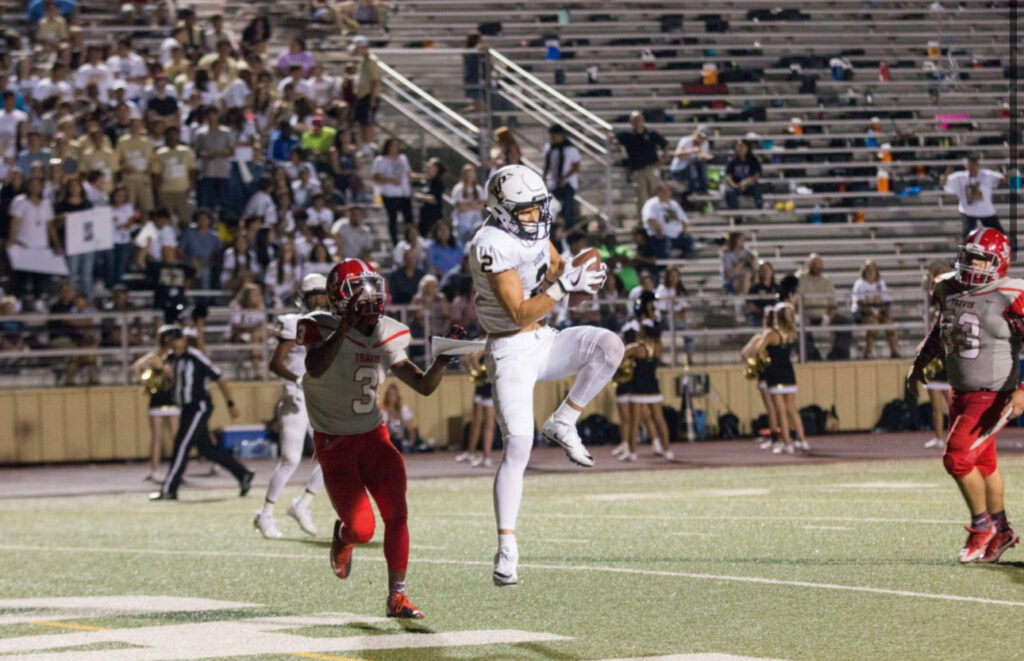
Such a label appears everywhere during draft season. Its meaning, however, rarely stays consistent. Fans often use “NFL-ready” as shorthand for polish or immediate stardom, while teams and scouts apply it differently. Readiness reflects context, role, and projection rather than a finished product. A prospect can look ready in one system and raw in another, which makes the term far more nuanced than it first seems.
“NFL-Ready” Is Not a Single Standard
NFL readiness does not exist as a universal checklist. Each position, scheme, and roster situation shapes how quickly a prospect adapts at the professional level.
Different Positions Reach Readiness at Different Stages
Running backs and interior defensive linemen often reach functional readiness earlier due to defined responsibilities and limited route trees or coverage duties. Quarterbacks, offensive linemen, and tight ends usually require longer development timelines because of processing demands, communication responsibilities, and technique refinement. A player labeled “NFL-ready” at one position may still face a steep adjustment curve at another.
Scheme and Role Define Readiness More Than Raw Talent
Readiness depends heavily on how a player fits within a team’s system. A zone-heavy defense may value spatial awareness and discipline, while a man-based scheme prioritizes foot speed and recovery ability. A prospect can show readiness for a specific role without fitting every defensive or offensive concept across the league.
Physical Traits vs Functional Strength
Size and athletic testing often dominate early evaluations, yet on-field strength determines whether traits hold up on Sundays. Balance through contact, leverage at the point of attack, and season-long durability shape real performance. Straight-line speed loses value when a player fails to anchor against power or maintain control through collisions.
NFL teams favor prospects who turn physical tools into consistent play rather than those who excel only in isolated drills. Strength shown on film under game pressure carries more weight than testing numbers alone.
Mental Processing as a Readiness Indicator
Mental processing often separates early contributors from long-term projects. The NFL demands rapid diagnosis and adjustment before and after the snap.
Key indicators of mental readiness include:
● Pre-snap recognition of alignments and coverage shells
● Reaction speed to motion, shifts, and disguised pressure
● Ability to adjust assignments mid-play
● Comfort with playbook volume and terminology.
This type of readiness relies on clear systems and predictable decision-making, similar to how players choose trusted Canadian online casinos that operate with transparent rules and consistent structures. In both cases, clarity reduces mistakes under pressure.
Technical Foundation Matters More Than Flash
Highlight plays draw attention, but technical consistency sustains NFL careers. Coaches rely on players who execute assignments correctly on every snap, especially in high-leverage situations. Reliable technique reduces the risk of breakdowns that lead to missed assignments or penalties.
Technique That Translates Immediately
Footwork, hand placement, pad level, and route discipline often determine early playing time. These elements allow players to maintain balance, timing, and control against faster and stronger opponents.
Clean technique also reduces cognitive load, which helps players react rather than hesitate. Prospects with strong technical foundations adapt faster because refinements focus on detail rather than a complete mechanical overhaul.
Experience Against NFL-Caliber Competition
Game context matters as much as raw production. Scouts evaluate who a player faced and what responsibilities followed.
Quality of Opponents and In-Game Responsibility
Facing top competition tests reaction speed, physical resilience, and discipline. A prospect who handles complex assignments against elite opponents shows readiness that statistics alone fail to capture. Responsibility within the scheme matters as much as opponent strength, especially for quarterbacks and defensive signal-callers.
Small-School Prospects and Readiness Perception
Small-school prospects often face skepticism due to competition level, yet readiness assessment adjusts rather than disappears. Scouts focus on translatable traits, dominance relative to peers, and mental processing speed. When technique and decision-making remain sound, readiness becomes a projection rather than a limitation.
Readiness vs Ceiling — The Draft Trade-Off
Teams constantly balance immediate contribution against long-term upside. A prospect labeled “NFL-ready” often carries a higher floor but a narrower ceiling. Developmental prospects may lack polish yet offer rare traits that coaching staffs value.
Draft boards reflect organizational timelines. Contending teams prioritize readiness for rotation roles, while rebuilding franchises invest in upside with patience. Neither approach signals correctness or error; context drives the decision.
How NFL Teams Actually Use “NFL-Ready” Labels
The term “NFL-ready” rarely points to Day One stardom. Teamsuse it to define early roles such as special teams contributor, situational defender, or rotational lineman, where reliability within defined responsibilities carries the most value.
Trust develops through assignment discipline and mistake avoidance. Expanded roles follow once consistency becomes clear, which makes the label a starting point rather than a finish line.
Readiness Depends on Context
NFL readiness reflects alignment between a player’s skill set, mental processing, and team environment. It does not signal completion or cap future growth. In the draft process, early opportunity depends on initial evaluation, while sustained success remains tied to continued development.
NFL Draft Diamonds was created to assist the underdogs playing the sport. We call them diamonds in the rough. My name is Damond Talbot, I have worked extremely hard to help hundreds of small school players over the past several years, and will continue my mission. We have several contributors on this site, and if they contribute their name and contact will be in the piece above. You can email me at nfldraftdiamonds@gmail.com