
When NFL Draft Surprises Outsmart the Algorithms
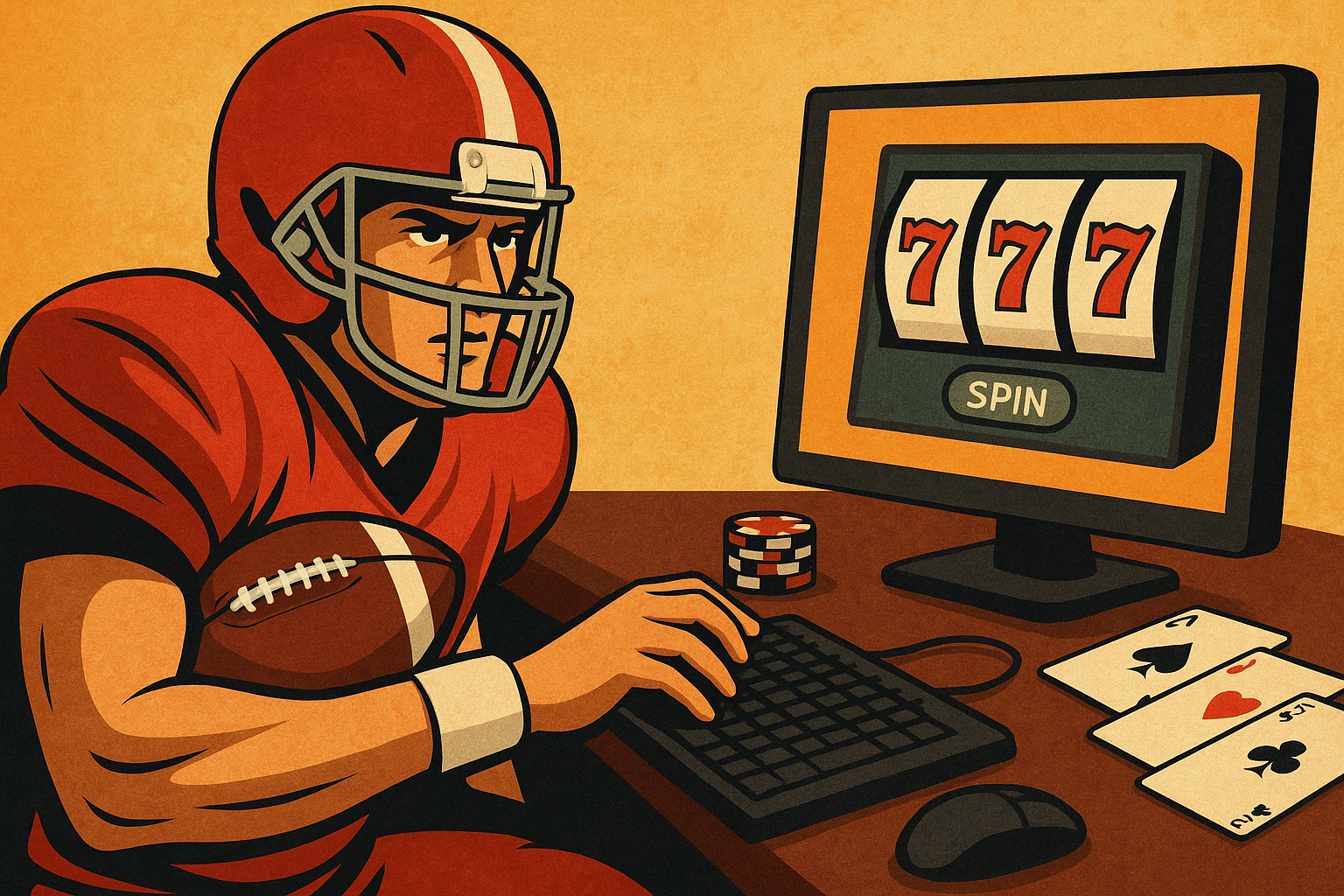
The NFL Draft is more than just a showcase of stats and spreadsheets—it’s a high-stakes theater where surprises rewrite the script every year.
While experts and algorithms work overtime to predict who goes where, the true drama often comes from the unexpected. Suddenly, a team snags a prospect that no mock draft saw coming, or trades up for a player the models barely flagged.
These moments remind us that football strategy isn’t just about data. It’s about instinct, risk-taking, and the unpredictable decisions that keep both fans and forecasters on their toes.
Why draft day defies prediction: the limits of algorithms
If you’ve followed an NFL Draft, you know the chaos doesn’t care about spreadsheets or simulations. Every year, dozens of data-driven models and expert mocks aim to predict who goes where—yet even the sharpest projections get blindsided by real draft decisions.
The core problem is simple: algorithms excel at crunching historical performance, athletic metrics, and team needs. What they struggle with are the unquantifiable elements—like a coach’s gut feeling, last-minute medical reports, or a sudden trade that throws everyone off. I’ve seen models get tripped up because one team values character interviews more than combine speed, or because a late-breaking rumor sparks a domino effect across multiple picks.
There’s also the human factor. General managers are influenced by owner preferences, locker room dynamics, and private conversations that never make it into any public dataset. Sometimes all it takes is one bold move—like trading up for a controversial quarterback—for every prediction to unravel.
This unpredictability isn’t just frustrating for fans; it can be an opportunity for those who know where to look. Platforms like ApuestasGuru track expert insights and breaking news in real time, giving savvy bettors a chance to spot value where algorithms fall short. For more on how to navigate the unexpected, read more.
The anatomy of a draft-day shock: What the models miss
Draft day always brings at least one move that leaves fans and experts scratching their heads.
No matter how much data you feed the models, the NFL Draft refuses to play by tidy rules.
Surprises often come from factors algorithms struggle to measure—like a coach’s hunch, a player’s personality, or a piece of information leaked just minutes before the pick is due.
These human elements turn consensus picks upside down and remind us why draft day drama never gets old.
Human intuition and gut decisions
You can spot the spreadsheets on every team’s war room table—but what really drives bold moves is often much less scientific.
I’ve seen coaches trust their instincts over months of scouting reports when a player reminds them of someone from their own playing days or nails an interview with unexpected confidence.
General managers sometimes break from the analytics because they sense something special in how an athlete handles pressure or relates to teammates behind closed doors.
This blend of gut feeling and personal relationships has led to some legendary “reaches” and late-round steals that data alone never would have uncovered.
The impact of off-field factors
There’s a lot more riding on a draft pick than 40-yard dash times or college stats.
Character interviews, leadership stories, and even family history can tilt decisions in ways numbers can’t capture.
I’ve seen teams pass on supremely talented prospects because a background check raised red flags, while others fall in love with players who overcame adversity or wowed everyone during combine interviews.
This human side—what kind of teammate they’ll be, whether they fit the team culture—often sways choices more than any spreadsheet could predict.
Late-breaking news and smokescreens
The final hours before the draft are chaos for front offices—and for anyone trying to predict what happens next.
Rumors leak out about injuries or surprise workouts. Agents float stories to boost their clients. Teams themselves sometimes spread misinformation hoping to disguise their real intentions from rivals.
An infamous example came during the 2022 NFL Draft, when 2022 NFL Draft Rumors Impact: last-minute buzz around quarterback prospects kicked off sudden trade talks and reshuffled picks just hours before teams were on the clock.
This last-second scramble upends months of modeling—and keeps both fans and bettors guessing until the very end.
Case studies: memorable draft surprises and their ripple effects
The NFL Draft is filled with legendary moments that leave analysts scrambling and fans buzzing for years.
Sometimes, a team’s unexpected pick rewrites the story of a franchise or turns an overlooked player into a household name.
Let’s look at three examples where draft-day shocks changed not just teams, but the league itself.
The unheralded pick who became a star
Brock Purdy was selected as the very last pick in the 2022 NFL Draft—a slot often jokingly called “Mr. Irrelevant.”
Most experts saw him as a roster filler at best, but Purdy quickly silenced skeptics when injuries vaulted him into the San Francisco 49ers’ starting quarterback role.
He led his team deep into the playoffs with poise that belied his draft position, earning respect from veterans and fans alike.
Purdy’s story reminds us that great talent can emerge from anywhere, and sometimes being overlooked is just the start of something bigger than anyone predicted.
The cost of overthinking: when analytics backfire
Teams now lean heavily on advanced metrics to guide their draft picks—but trusting data over gut instinct can backfire.
The Cleveland Browns’ 2016 decision to trade out of drafting Patrick Mahomes in favor of collecting extra picks was heavily supported by models valuing long-term asset accumulation.
This move looked logical on paper, but it meant missing out on a franchise-altering quarterback.
Analytics Draft Risks 2024 notes that while analytics are powerful, real results still hinge on unpredictable factors like injuries and leadership—making it risky to rely only on numbers when the stakes are highest.
How one surprise pick changed a franchise
The Kansas City Chiefs stunned many in 2017 by trading up to select Patrick Mahomes—a quarterback considered raw compared to safer prospects available at their original spot.
This bold move paid off spectacularly. Mahomes developed into an MVP and Super Bowl champion, redefining what’s possible for both quarterbacks and franchises willing to take calculated risks.
Kansas City’s leap turned them from playoff hopefuls into league heavyweights almost overnight. It’s proof that sometimes, fortune really does favor those willing to surprise everyone else in the room.
The evolving art of draft prediction: blending data and human insight
Predicting the NFL Draft has never been more complex—or more fascinating. With every passing year, teams have access to mountains of data and increasingly sophisticated predictive models.
Yet, as anyone who’s watched draft night unfold knows, numbers alone rarely tell the whole story. The sharpest front offices are combining analytics with years of football know-how, reading between the lines as much as they read the stats.
That mix is shaping the next wave of draft forecasting. As algorithms get smarter, so do the people using them—proving that in football, intuition still matters just as much as information.
Next-gen analytics and machine learning
Today’s draft models crunch far more than player stats or combine results. Teams now dig into social media sentiment, biometric readings, and even on-field player tracking to spot trends nobody else sees.
A Machine Learning NFL Draft 2024 study shows how clubs are using artificial intelligence to pull insights from massive, messy data sets—everything from heart rate patterns to a prospect’s Twitter history.
This new approach doesn’t just predict who might get picked; it can flag red flags before anyone else spots them. The process is still evolving, but one thing’s clear: innovation is happening at breakneck speed in NFL war rooms.
The value of experience and scouting wisdom
No matter how much tech advances, there’s no replacement for a scout who knows when something feels off—or when a player has “it.” I’ve seen GMs trust a veteran scout’s hunch over spreadsheets and come out looking brilliant months later.
Former players and long-time scouts spot things algorithms can’t measure: body language under pressure, leadership in tough moments, or subtle shifts in attitude after setbacks. Those details often make or break a pick.
The best teams don’t choose between data and experience—they use both. That blend gives them an edge when everyone else is following the same models and mock drafts.
Conclusion
No matter how advanced our algorithms get, the NFL Draft finds a way to surprise us year after year.
There’s something electric about watching bold decisions unfold—moves no spreadsheet could ever see coming.
The tension between data and human insight keeps the drama alive, making draft day one of the most unpredictable events in sports.
For fans, analysts, and even the teams themselves, that uncertainty is half the fun. It’s what transforms each draft into a story worth remembering—and keeps everyone tuning in for more surprises next season.

NFL Draft Diamonds was created to assist the underdogs playing the sport. We call them diamonds in the rough. My name is Damond Talbot, I have worked extremely hard to help hundreds of small school players over the past several years, and will continue my mission. We have several contributors on this site, and if they contribute their name and contact will be in the piece above. You can email me at nfldraftdiamonds@gmail.com