
The Traditions That Make American Football Game Days So Special
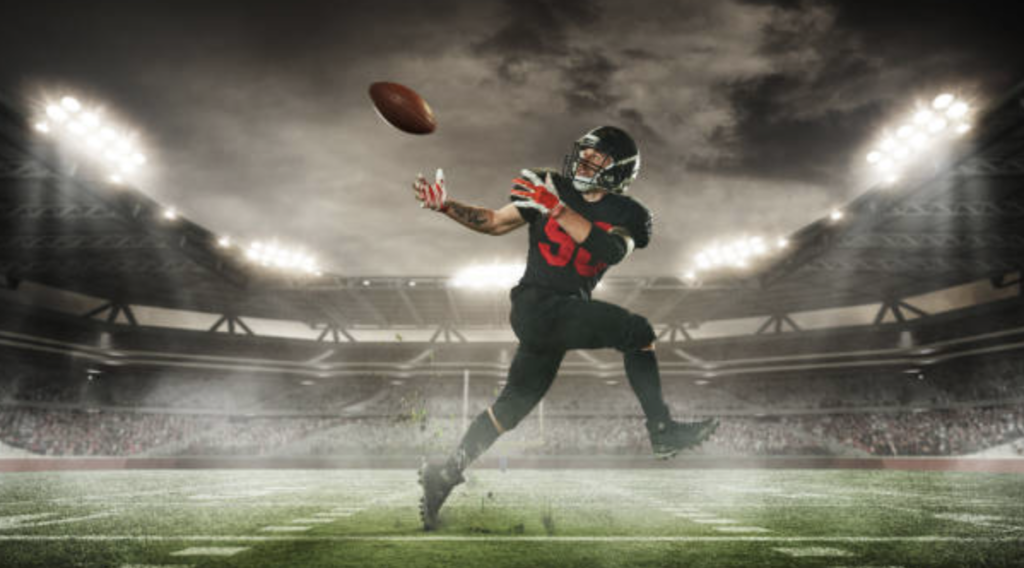
American football is much more than a sport for millions of fans across the United States. From Friday night high school games to Saturday college rivalries and Sunday NFL matchups, football creates opportunities for communities, friends, and families to come together. The excitement begins long before kickoff, with traditions that have become almost as important as the action on the field.
Tailgating parties, team colors, homemade food, and familiar game-day rituals all contribute to an atmosphere that makes American football distinctive. These customs connect generations of supporters and transform ordinary sporting events into memorable social occasions.
While the game itself continues to evolve, many of its most popular traditions remain deeply rooted in American culture. Understanding these customs reveals why football occupies such an important place in communities and why game days often become cherished experiences regardless of the final score.
Tailgating Brings Fans Together Before Kickoff
Tailgating is one of the most recognizable traditions associated with American football. Hours before a game begins, parking lots around stadiums become lively gathering spaces filled with barbecue grills, folding chairs, music, and fans wearing their team’s colors.
For many supporters, these gatherings provide opportunities to reconnect with friends and welcome visitors who share their enthusiasm for the sport.
Food and refreshments are central to the experience. Burgers, hot dogs, sandwiches, and regional specialties often appear alongside carefully organized supplies for keeping everything ready until kickoff.
Practical equipment can also become part of a group’s identity. Diehard Custom offers personalized Igloo coolers that teams, fan clubs, and event organizers can customize with their own logos or designs. A cooler carrying a group’s recognizable artwork serves a practical purpose while helping create a consistent look for gatherings that take place throughout the season.
These accessories are especially useful for organized tailgating groups that return to the same location before every home game.
The tradition’s lasting appeal comes from turning the hours before kickoff into a celebration of shared enthusiasm.
Team Colors and Clothing Create a Sense of Belonging
Few sporting events demonstrate collective identity as visibly as American football games.
Stadium crowds frequently become seas of coordinated colors as thousands of supporters wear jerseys, hats, scarves, and other accessories representing their favorite teams.
These visual traditions help create an atmosphere that makes attending a game feel different from watching one at home.
For longtime fans, a particular jersey may carry personal meaning. It might commemorate a memorable season, favorite player, or important family experience.
College football supporters often take this tradition further through themed clothing, face paint, and coordinated student-section outfits.
Some families pass down team merchandise between generations, creating connections between supporters who attended games decades apart.
The clothing itself is only one part of the experience. Wearing team colors communicates shared loyalty and gives strangers an immediate reason to start conversations.
This sense of belonging helps explain why football traditions remain important even during disappointing seasons.
Stadium Chants and Fight Songs Keep Traditions Alive
Sound plays an essential role in the American football experience.
Crowd chants, marching bands, fight songs, and coordinated cheers create an atmosphere that television broadcasts cannot fully reproduce.
College football is particularly associated with musical traditions. University marching bands perform before games, during halftime, and at important moments throughout the event.
For students and alumni, familiar songs can evoke memories of earlier seasons and campus experiences.
Professional football teams have developed their own traditions involving entrance music, crowd participation, and stadium celebrations.
These rituals help establish the personality of each venue.
A chant repeated after a touchdown may become associated with years of memorable victories, while a particular song can signal the beginning of another game-day celebration.
Such customs give supporters something familiar to anticipate, strengthening the connection between the team and its community.
Rivalry Games Carry Stories Across Generations
Rivalries add another dimension to American football culture.
Games between longstanding opponents often attract attention beyond the teams’ usual supporters because their histories include memorable victories, controversial moments, and generations of competition.
College football rivalries are especially significant because they frequently connect neighboring states, universities, and families with contrasting loyalties.
Some matchups involve traditional trophies, while others are associated with particular holidays or annual celebrations.
For supporters, the importance of a rivalry game extends beyond league standings.
A victory can become a cherished memory discussed for years, while a disappointing defeat may add anticipation to the following season.
Families sometimes develop playful rivalries of their own when relatives support opposing teams.
These traditions demonstrate how football can create stories that remain meaningful long after individual players and coaches have moved on.
Game-Day Food Reflects Regional Culture
Food is another reason American football gatherings feel distinctive.
Although burgers, hot dogs, and chicken wings are familiar choices, regional traditions introduce considerable variety.
Barbecue is prominent at many Southern gatherings, while chili, sandwiches, seafood, and local specialties may appear elsewhere.
At college stadiums, particular foods sometimes become closely associated with the surrounding community.
These culinary traditions give fans another way to express local identity.
Preparing food together can also become a family ritual. Recipes may be passed between generations, with certain dishes reserved specifically for important games.
Home viewing parties follow similar patterns, allowing supporters who cannot attend in person to create their own celebrations.
The meal becomes part of the occasion rather than simply something eaten while watching television.
Watching Football at Home Has Its Own Traditions
Not every memorable game day takes place inside a stadium.
Watching football at home has become a tradition for families and groups of friends who enjoy gathering around the television.
Some households organize regular Sunday viewing parties, while others reserve elaborate celebrations for major playoff games or the Super Bowl.
Comfortable seating, shared meals, friendly predictions, and familiar routines contribute to the atmosphere.
For families with children, these gatherings can introduce younger generations to the sport and create memories that extend beyond the result.
Fantasy football leagues have added another social element, encouraging friends and colleagues to follow games together even when they support different teams.
Digital communication also allows distant supporters to share reactions and conversations throughout a matchup.
These developments show how traditional football culture continues adapting to changing lifestyles and technology.
Why Game-Day Traditions Remain So Meaningful
American football traditions endure because they offer something beyond athletic competition.
They create opportunities for shared experiences, strengthen community connections, and provide familiar rituals that people anticipate throughout the season.
Tailgating, team clothing, stadium songs, regional food, and longstanding rivalries each contribute to the distinctive character of football culture.
Although professional and college football continue changing, the social experiences surrounding the sport remain central to its appeal.
Ultimately, the most memorable game days aren’t always defined by spectacular touchdowns or dramatic victories. They are often remembered for the people who gathered, the traditions they shared, and the sense of belonging that made the occasion special.
That combination of sport, community, and personal memories helps explain why American football remains such an important part of American cultural life.

NFL Draft Diamonds was created to assist the underdogs playing the sport. We call them diamonds in the rough. My name is Damond Talbot, I have worked extremely hard to help hundreds of small school players over the past several years, and will continue my mission. We have several contributors on this site, and if they contribute their name and contact will be in the piece above. You can email me at nfldraftdiamonds@gmail.com