
When an NFL Player Comp Actually Works
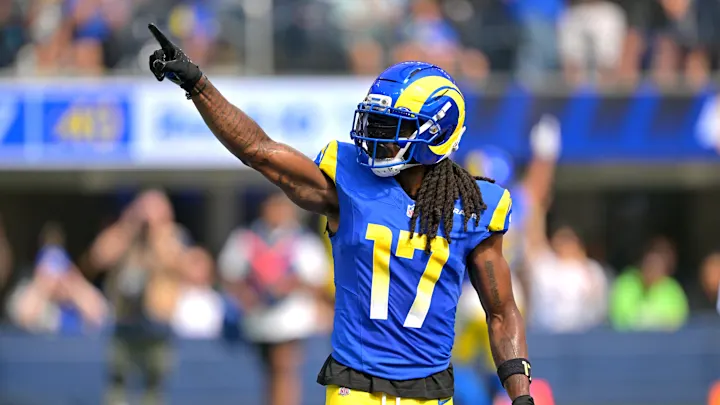
A good player comp can make a prospect click in your head quickly. The trouble starts when the NFL name does all the work and nobody checks the tape underneath it. That is where draft talk gets interesting, because the comparison can help or send the whole evaluation off course.
Player comparisons are a big part of NFL Draft talk. Every year, prospects get linked with current NFL players because they have a similar build, play the same position or show the same kind of ability on film. Sometimes the comparison helps explain what a prospect can do. Other times, the name sticks and starts carrying more weight than the player’s actual tape.
Player Comps Give Scouts a Common Language
There is a practical reason scouts use comparisons. The draft pool is huge, and a quick reference can tell you plenty before the deeper discussion starts. The 2027 small-school watch list alone includes more than 700 players from the FCS, Division II, Division III, NAIA and USports.
A comp can quickly tell you that a receiver wins with speed rather than strength, or that a linebacker is being projected into a similar role to someone already doing the job on Sundays. That shorthand saves time, especially once dozens of prospects at the same position start blurring together during draft season. The problem starts when the name becomes more memorable than the reasons behind it.
A Good Comparison Needs Something Behind the Name
The best player comps come with evidence attached. Jeremiyah Love was linked with Jahmyr Gibbs before the 2026 draft because the two backs share more than a reputation for being explosive. Love ran a 4.36-second 40-yard dash at the Combine, matching the time Gibbs posted in 2023, and the comparison also focused on acceleration plus receiving ability.
Daniel Jeremiah also paired Carnell Tate with Chris Olave, but he did not pretend they were copies of one another. Olave had the edge in speed, while Tate brought more strength to the comparison.
That is where the useful part lives. A comp works when it points you toward specific football traits you can then check for yourself on film. Once the name becomes the whole argument, the evaluation has gone too far.
Comparison Works Best When the Criteria Stay Visible
Football scouting makes the basic lesson pretty clear: a comparison is useful only when you know what is being compared. A prospect can resemble an NFL player in one part of his game and differ sharply elsewhere, so the criteria need to stay visible rather than disappearing behind the headline name.
The same principle carries into betting and casino choices, where a single bonus figure tells you very little on its own. Covers.com applies the same logic to online casinos, using a side-by-side comparison to weigh operators against practical criteria including bonuses, payout speed, game selection, mobile experience, security and customer support.
The point is simple. Comparison becomes useful when the underlying details stay in view, because that lets you see where the resemblance holds up and where it breaks.
Small-School Prospects Expose the Limits of Easy Labels
Small-school players make lazy comparisons even riskier because the level of competition changes the context around the tape. Beau Brungard accounted for 53 total touchdowns in 2025, production that put him among the top FCS playmakers heading into the 2026 season.
That production deserves attention, but a pro comp still has to account for the role he played and the competition he faced. A player can resemble an NFL starter in movement or style without being at the same stage of development. That is why scouts keep coming back to film instead of stopping at the comparison.
Projection Does Not Come With a Timetable
Quarterbacks make this especially obvious. Fernando Mendoza went first overall in the 2026 draft, yet he did not open the season as Las Vegas’ starter. In fact, no rookie quarterback was scheduled to start in Week 1, only the second time that had happened in 19 seasons. Mendoza was also the first No. 1 pick since Baker Mayfield in 2018 not to start immediately.
That does not make the pre-draft evaluation wrong. It shows that a comp cannot give you a timetable. Coaches still have to decide whether a rookie can handle the offense, and the player still has to adjust to NFL speed. Projection tells you what scouts think the player can become. Readiness is a separate call.
The Comparison Is a Starting Point, Not the Scouting Report
Player comps are useful because they give fans a quick reference. They can help explain what kind of player you are looking at without turning every prospect discussion into a 20-minute film session.
The better habit is to ask what created the comparison in the first place. Once you do that, the NFL name becomes useful shorthand again instead of the final verdict on the prospect.

NFL Draft Diamonds was created to assist the underdogs playing the sport. We call them diamonds in the rough. My name is Damond Talbot, I have worked extremely hard to help hundreds of small school players over the past several years, and will continue my mission. We have several contributors on this site, and if they contribute their name and contact will be in the piece above. You can email me at nfldraftdiamonds@gmail.com