
Two-Way Radios: Coordinating a Multi-Vehicle Convoy
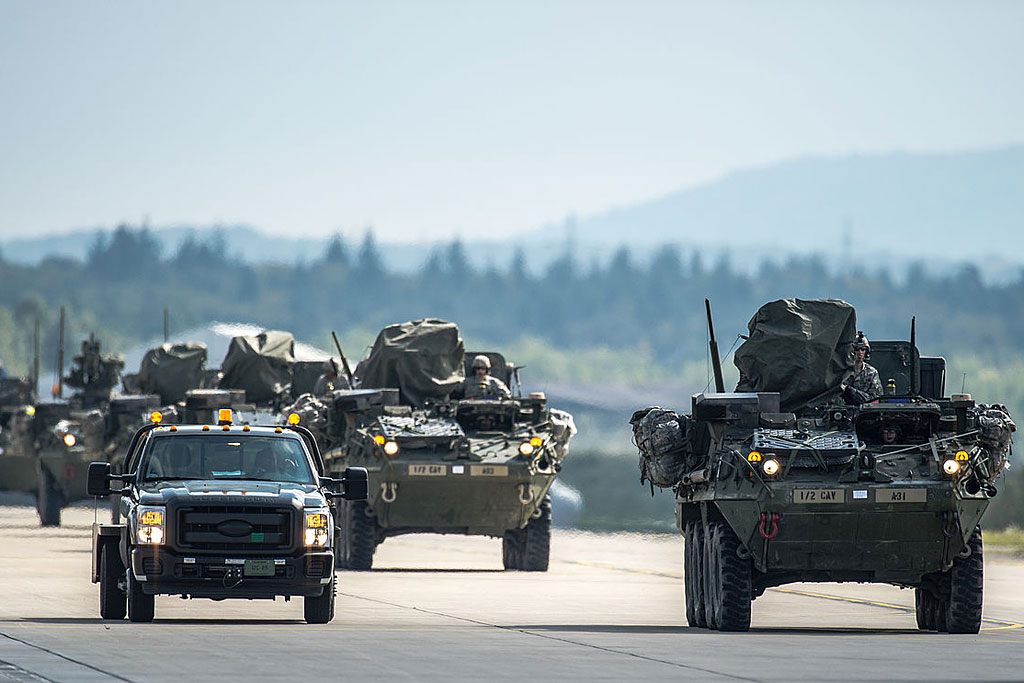
The first vehicle turns. The second follows. Then someone at the back realizes the convoy has become considerably longer than expected, while the lead driver has no idea what’s happening behind them.
This is how a simple road trip can become a logistical puzzle.
Whether it’s a group traveling to an event, a work crew moving between locations, or an organized recreational trip, keeping several vehicles coordinated takes more than everyone knowing the destination. Drivers need a way to share updates quickly without relying on phones, stopping repeatedly, or hoping everyone notices the same navigation alert.
That’s where two-way radios can earn their place.
One Road. Several Vehicles. One Conversation.
A convoy works best when everyone knows what’s happening. The lead vehicle may need to communicate an upcoming turn. A driver in the middle of the group might spot a problem. Someone at the rear may notice that traffic has separated the vehicles.
With radio communication, those updates can reach the group without requiring individual calls. That matters because a convoy isn’t really one vehicle. It’s a collection of moving vehicles trying to behave like one organized unit. And roads have never been particularly interested in cooperating.
The front vehicle often has the clearest view of what’s ahead. Traffic is slowing. A turn is approaching. Road conditions have changed. The group needs to adjust its pace.
A quick transmission can alert everyone behind the lead vehicle before the situation becomes a surprise.
Messages should be short and specific. Instead of describing every detail of an upcoming turn, the lead driver can communicate the essential information and give the group enough time to react.
The objective isn’t constant commentary. Nobody needs a live podcast from the driver’s seat. They need useful information.
The Rear Vehicle Has a Job, Too
The vehicle at the back of a convoy provides a perspective the lead driver simply can’t have. Has the group become separated? Did another vehicle get delayed at an intersection? Is traffic preventing one driver from keeping up?
A rear driver can communicate those developments to the rest of the convoy. This creates a two-way flow of information rather than making the lead vehicle responsible for everything. That distinction becomes particularly useful when the convoy stretches across a significant distance.
Convoys can separate for surprisingly ordinary reasons. A traffic light changes. A vehicle gets caught behind another car. Someone takes a moment longer at a fuel stop. Suddenly the vehicle ahead is nowhere to be seen. This is where two-way radios can provide a practical advantage.
Drivers can communicate their position and coordinate where the group should regroup rather than making several phone calls while trying to figure out what everyone else is doing.
A predetermined meeting point can also help. If vehicles become separated, everyone knows where to go instead of making decisions independently.
Agree on Radio Rules Before Leaving
The best time to establish communication procedures is before the convoy starts moving. Decide which channel everyone will use. Give vehicles simple identifiers. Establish who should communicate major route changes and how urgent messages should be handled.
It’s also worth agreeing on basic radio etiquette. Keep transmissions concise. Listen before speaking. Avoid unnecessary chatter when the group is dealing with a complicated section of the route. Why?
Because when five people start transmitting simultaneously, the radio stops being a coordination tool and becomes an electronic argument.
Plan for More Than the Perfect Route
A good convoy plan accounts for interruptions. Construction can change a route. Traffic can split the group. Weather can affect driving conditions. A vehicle may need to stop unexpectedly.
Radio communication won’t eliminate these situations, but it can make them easier to manage.
Before departure, drivers can also confirm fuel stops, planned breaks, meeting points, and the general route. That way, the radios are being used to handle changes rather than repeatedly explain information everyone should already know.
The Point Is Staying Together, Not Staying on the Radio
A well-organized convoy shouldn’t sound like a constant stream of transmissions. In fact, silence is often a sign that everything is going according to plan.
The value of two-way radios comes from having a direct communication method ready when circumstances change. The lead driver can warn the group. The rear vehicle can report a separation. Individual drivers can communicate problems without relying entirely on mobile phones.
That makes a multi-vehicle convoy easier to coordinate and gives drivers another way to stay connected while the miles roll by. The road may be unpredictable. The communication plan doesn’t have to be.

NFL Draft Diamonds was created to assist the underdogs playing the sport. We call them diamonds in the rough. My name is Damond Talbot, I have worked extremely hard to help hundreds of small school players over the past several years, and will continue my mission. We have several contributors on this site, and if they contribute their name and contact will be in the piece above. You can email me at nfldraftdiamonds@gmail.com