
Online Poker Strategy Compared to NFL Decision-Making
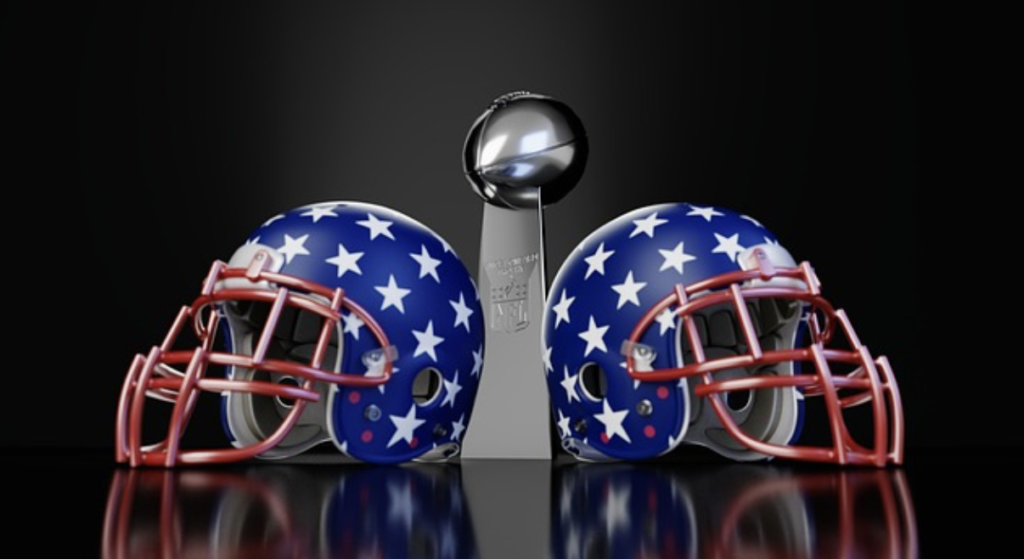
Whether you’re facing a turn card or a blitzing linebacker, split-second choices drive everything. Both poker pros and football coaches rely on well-honed systems built for uncertain ground, reading between the lines, guessing at hidden cards or intentions, and trusting math as much as instinct. It isn’t always obvious how much these two worlds match up, but scratch the surface and familiar mechanics appear. In one, a hand can play out in under two minutes. In the other, a single snap lasts only seconds. Both force people to act fast, making calls they can’t reverse, with puzzles no one sees completely. Sources like Wharton Magazine insist process and skill trump whatever happens next. The only real goal is making the smartest play possible with whatever you’ve got, right now.
Core Decision-Making Under Uncertainty
Order cuts through the chaos. In Online poker, players are constantly calculating, sizing up chances, sorting mental notes about opponents, and picking the right moments to chase a pot or back away. Its numbers, on top of hunches, acted out about every 90 seconds according to Informaconnect research. The NFL? The clock’s even tighter. Quarterbacks may have three seconds before everything unravels. Pausing too long? That’s punishment enough. On fourth and short or staring down a river bet, frozen indecision closes more doors than the wrong bet ever does. Football folks must factor in field position, pretty much pot odds, predict defenses the way poker players look for “tells,” and launch their attack before the picture changes. It’s all fast and relentless, wait and you’re out.
Information Processing and Opponent Profiling
The edge often comes from reading people, not just situations. Online poker players pick up on opponent style in a handful of hands, labeling someone “loose” or “tight,” letting that impression shape every chip moved after. Feedback comes quick: bankroll up or down within the hour, as Wharton Digital Magazine points out. NFL coaches do their reading before the first whistle, combing through film, picking at patterns, designing schemes meant to expose flaws. But in football, payoff on those reads rarely appears instantly. Sometimes, it’s later in the season before a well-placed guess proves true. Still, the meaning holds: the more you uncover about your rivals, in online poker or football, the better shot you have at making the big calls.
Selectivity, Risk, and Adaptive Strategy
Discipline is non-negotiable. Top poker players fold far more than they play, saving bullets for higher-value shots, tight-aggressive play wins over chaos, at least until stakes get wild. NFL franchises work in similar ways; wild plays and trickery rarely show up unless conditions scream opportunity, especially in high-leverage scenarios like red-zone stands or two-minute drills. Folding a borderline hand keeps you in the game. Punting on fourth down rather than forcing it can do the same. Adjustments matter; no one sticks with a failing strategy just because it was Plan A at kickoff or the start of a session. Both groups see smart risk-taking as a willingness to walk away, shrug off past losses, and wait for odds to shift.
Long-Term Process Beats Short-Term Results
Results don’t make the system. In poker, a lucky river doesn’t mean you played it well, good players always ask whether their line was actually sound: Did the math hold up, did a read pay off, was the risk worth it? NFL teams now look this way more and more. Media and fans might obsess over scoreboard swings, but successful organizations dig into the process beneath every play. Wharton’s own studies highlight teams scrutinizing decisions in context, not just outcomes. The lesson borrowed from poker: focus on building something that works over time, not just celebrating a single lucky break. Improvement stacks up, even when a single hand goes bad. NDD NIL Store values long-term growth over fleeting wins and keeps fans engaged in the evolving game.
Responsible Play Matters
Skill helps with risk, but luck has its say. These games, whether played for chips or yardage, teach discipline and patience, but have a flip side. Stakes can get too high. Set limits. Pay attention to both mood and wallet. If play becomes a grind, it’s worth backing off. Keeping things responsible makes room for growth without risking what really matters.
NFL Draft Diamonds was created to assist the underdogs playing the sport. We call them diamonds in the rough. My name is Damond Talbot, I have worked extremely hard to help hundreds of small school players over the past several years, and will continue my mission. We have several contributors on this site, and if they contribute their name and contact will be in the piece above. You can email me at nfldraftdiamonds@gmail.com