
The Practice-Squad Promise: What a Team Can and Cannot Guarantee an Undrafted Rookie
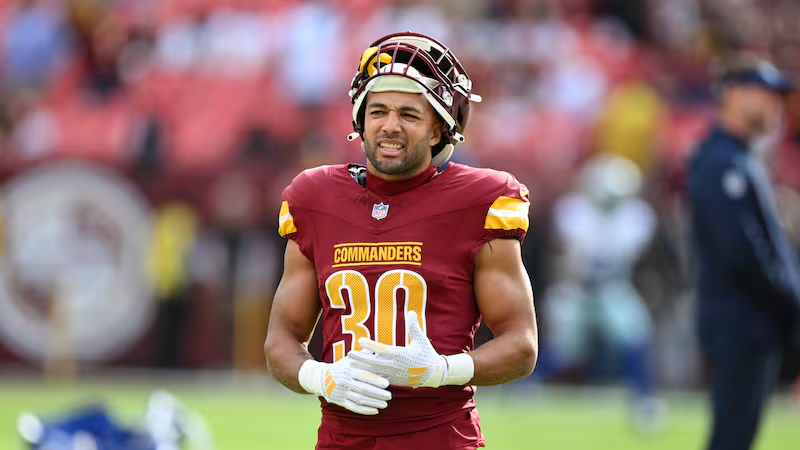
Every August, small-school undrafted rookies hear some version of the same pitch. Make it through final cuts, the team says, and there is a place for you on the practice squad. It feels like a commitment. Under the 2026 rules, it is closer to a hope.
The NFL’s 2026 roster calendar fixes the sequence: clubs cut to 53 players on August 30, waiver claims closed at 1 p.m. ET on August 31, and practice-squad contracts could be signed only after the league’s Personnel Notice. Cutdown day is watched well beyond team facilities. Depth-chart moves can shift player-prop lines, and offshore bookmakers react along with regulated books: markets at those sites can move as notable cuts are announced. The undrafted rookie at the bottom of the roster rarely moves any market, yet the same deadline decides his entire season.
Why the Promise Isn’t a Guarantee
An undrafted rookie normally signs a three-year NFL contract. If another team successfully claims him on waivers, that club takes over the existing deal rather than negotiating a fresh practice-squad invitation. Players with fewer than four accrued seasons are subject to waivers at final cuts, so the typical undrafted rookie cannot be shielded simply because his old team wants him back.
At final cuts, any club can place a claim on an eligible waived rookie. When several teams claim the same player, the league awards him according to the 2026 draft order before trades, reflecting the final 2025 standings including playoffs. That priority stays in place through the first three weeks of the regular season, then switches to current standings. Neither the player nor the club that waived him can choose the winning claimant.
A successful claim carries a roster cost: the new team must add the rookie to its 53-man active roster, not its practice squad. Those final roster spots are needed for special teams, injury cover and depth, so clubs weigh a claim against immediate needs. That explains why some rookies go unclaimed even when another team likes their potential; it does not give the original club control over the outcome.
What the Player Controls, and When
Being waived does not let the rookie shop his existing contract around. A successful claim sends him to another club’s active roster under that deal. His real choice comes only if nobody claims him: the previous team has no exclusive right to bring him back, and the player can consider offers from elsewhere. The original promise matters only if it becomes a concrete offer after waivers.
Once he clears waivers, the rookie is free to negotiate with any club, including the one that released him. He can ask about weekly pay, his expected role and the path toward an active-roster opportunity, or weigh competing offers. He is no longer bound to return simply because the original coaching staff told him it wanted him. But no conversation reserves a practice-squad place until the club offers a contract and he signs it.
Even then, the security is temporary. A practice-squad player is not locked in for the season. Another club can sign him away, but only by adding him to its 53-man roster; a player is not permitted to move from one practice squad directly to another. So the mobility that protects him after clearing waivers also means any practice-squad deal is a holding position rather than a place to settle.
The Fine Print That Decides Who Signs
First, paperwork. A club cannot sign a waived rookie to its practice squad merely because the claim deadline has passed. Every team must receive the NFL Personnel Notice confirming that the old contract was terminated through the waiver system. Until then, neither the previous club nor another interested team can complete the new practice-squad deal.
Second, capacity. A team may carry 16 practice-squad players in 2026, or 17 if the extra position is occupied by a qualifying international player. Eligibility includes rookies with no accrued seasons, players with limited appearances in their only accrued season and additional players covered by experience-based exceptions, including up to six veterans with unlimited accrued seasons. Qualification is not the same as a vacancy: the team must still have a place when the rookie becomes free to sign.
The practical question for a rookie’s agent is not just whether the coach wants him back, but what the club can offer after the waiver process ends. It cannot block a rival claim or reserve a practice-squad position by conversation alone. It can keep a slot available and negotiate once the player is free to sign. A new contract, not a training-camp assurance, is what finally turns that plan into a job.

NFL Draft Diamonds was created to assist the underdogs playing the sport. We call them diamonds in the rough. My name is Damond Talbot, I have worked extremely hard to help hundreds of small school players over the past several years, and will continue my mission. We have several contributors on this site, and if they contribute their name and contact will be in the piece above. You can email me at nfldraftdiamonds@gmail.com