
Charging Handle Materials Explained: 7075 Aluminum vs. Steel
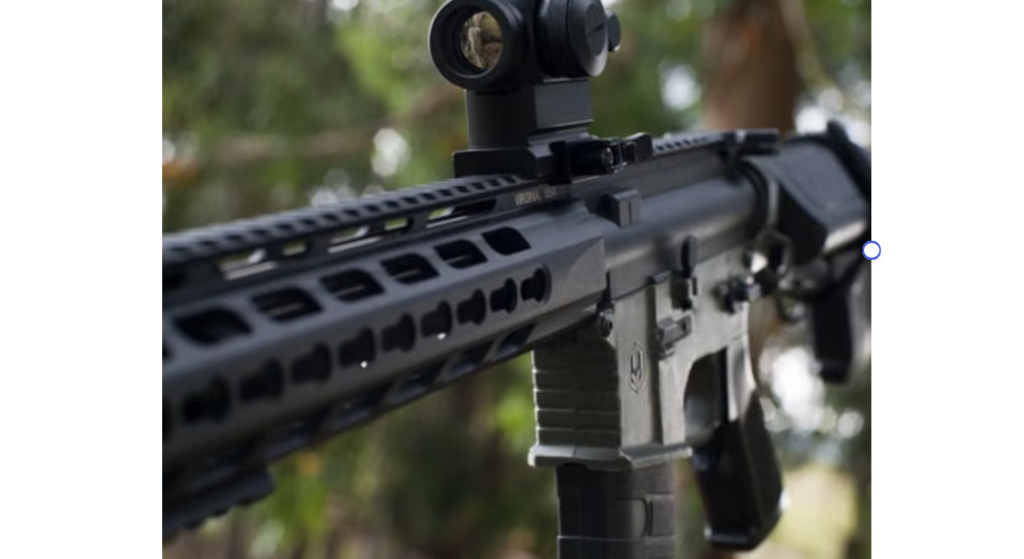
A charging handle is easy to ignore until it starts feeling rough, loose, or poorly fitted. It is not a large part, but it gets handled often. Loading, checking, clearing, manually cycling the rifle. Over time, the latch area, roll pin area, finish, and overall fit start to matter.
Material is one part of that. Not the whole story, but not just marketing either. Most buyers want a straight answer: is 7075 aluminum enough, or does steel make sense?
Why Charging Handle Material Matters
The charging handle sees repeated hand pressure. It also has small contact points where wear can show after long use. Material affects weight, surface wear, corrosion resistance, and how solid the part feels over time.
When comparing an AR15 charging handle, do not start with color or slogans. Look at material, finish, latch design, fit, and the manufacturer behind it. A good aluminum handle can be a better buy than a poorly made steel one.
What Is 7075-T6 Aluminum?
7075-T6 aluminum is a high strength aluminum alloy. It is common in aerospace and firearm parts because it gives good strength without adding much weight. The T6 part refers to heat treatment, which improves strength and stability.
This is why many charging handles use 7075-T6. It keeps the part light, while still being strong enough for regular range use, hobby builds, and general ownership.
You may see comparisons like 6061 vs 7075 or 6061 t6 vs 7075. Both are aluminum alloys, but 7075 is usually chosen when higher strength is wanted. That does not make every 7075 part excellent. Shape, finish, and quality control still matter.
Anodizing matters too. It is a surface finish that helps with hardness and corrosion resistance. On an aluminum charging handle, a clean anodized finish can make years of handling less visible.
What Are Steel Charging Handle Options?
All-steel charging handles are less common than aluminum ones. More often, brands use hybrid designs: an aluminum body with a steel latch, steel wear points, or reinforced contact areas.
Steel is heavier than aluminum. It can also resist wear differently at small contact points, which is why some buyers like reinforced designs. Still, steel is not magic. Heat treatment, surface finish, and design decide a lot.
A search like 7075 aluminum vs 304 stainless steel can explain broad material differences, but it will not tell you whether one specific handle is worth buying. The finished part matters more than the material name alone.
Durability Comparison: Aluminum vs. Steel
For most AR-15 owners, a quality 7075-T6 aluminum handle is enough. It is light, common, and proven for normal use. It does not need to be steel to be dependable.
Steel or steel-reinforced designs make more sense for buyers who expect very frequent use or want extra wear resistance at the latch and other contact points. The trade-off is usually extra weight and sometimes extra cost.
Marketing can make this sound more dramatic than it is. Price alone does not show which material will perform better over time. A well-made aluminum part can outlast a cheap steel one, while a reinforced design can be useful when the manufacturer uses the material well.
Weight and Handling Differences
Steel is heavier than aluminum, but a charging handle is a small part. The difference usually will not change the rifle’s balance in a major way.
Still, feel matters. Some owners like the lighter feel of aluminum. Others prefer the more solid feel of a reinforced part. For most buyers, this is more about durability preference than a real handling change.
Other Quality Factors to Check
Material alone does not decide quality. Before buying, check:
- finish quality and corrosion resistance
- latch shape and grip comfort
- roll pin area and other contact points
- billet or forged construction
- manufacturer reputation and warranty support
- compatibility with the specific upper receiver
Billet means the part is cut from a solid block of material. Forged means the material was shaped under pressure before final machining. Both can work well when quality control is good.
Which Material Is Right for You?
Choose 7075-T6 aluminum if you want a light, common, reliable option for regular use. That fits most owners. A good aluminum handle is not a weak choice just because it is not steel.
Consider steel or steel-reinforced parts if you expect heavier use, want extra wear resistance at small contact points, or simply prefer the feel of a reinforced design. A hybrid handle can be a practical middle ground: aluminum body, steel where wear is more likely.
The better choice depends on use, build quality, and fit. The material name alone does not decide it.
Common Buying Mistakes
Avoid:
- assuming steel is always better
- assuming all aluminum handles are the same
- ignoring the difference between 6061 and 7075
- choosing only by price
- overlooking latch comfort
- buying without checking upper receiver compatibility
- trusting finish color more than construction details
A charging handle is simple, but it still needs good fit and clean construction.
FAQ
Is steel or 7075 aluminum better for an AR-15 charging handle?
Neither is better in every case. 7075-T6 aluminum is lighter and works well for most owners. Steel or reinforced designs may add wear resistance in certain areas.
Does charging handle material affect reliability?
It can affect wear and feel over time. Reliability also depends on fit, finish, design, and normal maintenance.
Are steel charging handles heavier than aluminum ones?
Yes. Steel is generally heavier than aluminum, though the difference is usually small compared with the rifle’s total weight.
What does 7075-T6 mean on a charging handle?
7075 is a strong aluminum alloy. T6 refers to heat treatment used to improve strength and stability.
Do premium charging handles use steel or aluminum?
Many premium charging handles use 7075-T6 aluminum. Some also use steel latches or reinforced wear points.
Can a charging handle material affect rifle balance?
Usually only slightly. The part is small, so material choice matters more for wear, feel, and durability preference than major balance changes.

NFL Draft Diamonds was created to assist the underdogs playing the sport. We call them diamonds in the rough. My name is Damond Talbot, I have worked extremely hard to help hundreds of small school players over the past several years, and will continue my mission. We have several contributors on this site, and if they contribute their name and contact will be in the piece above. You can email me at nfldraftdiamonds@gmail.com