
Media Day Looks for Small-School Draft Prospects: A Canadian Checklist
A small-school prospect often gets one clean first look. That look may be a headshot, a pinned clip, or a coach’s repost. For Canadian players, the gap is tighter because many U Sports athletes lack the same media setup as larger NCAA programs.
That means the player must control what scouts, agents, and reporters see first. This guide covers clothes, grooming, photos, short videos, and profile safety. A good photo cannot replace film, but it can help film get watched by the right person.
Start With the Shot Scouts Will Actually Use
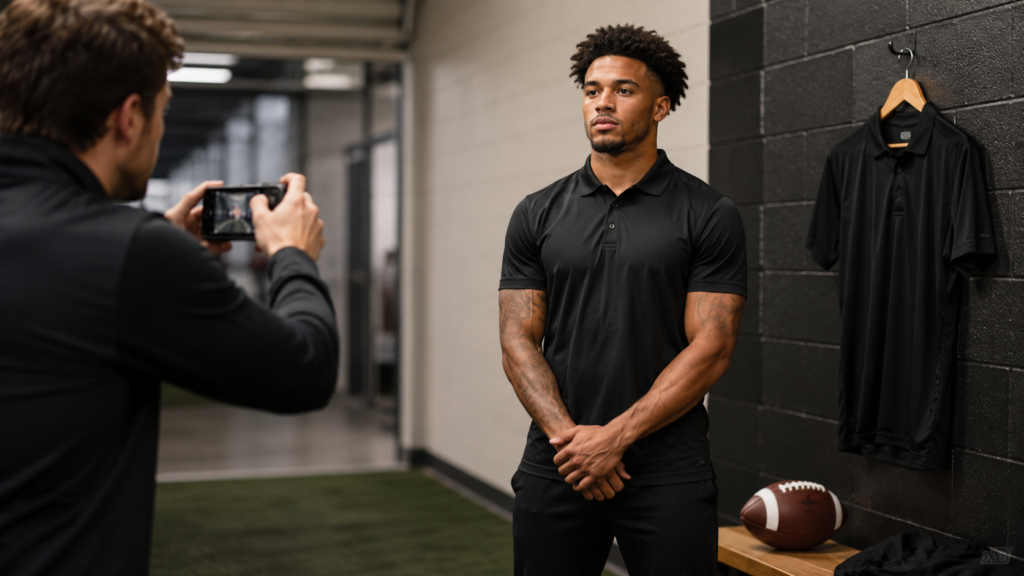
Before posting a media-day photo, test it in three uses: roster page, draft article, and social graphic. If the crop looks awkward in any format, reshoot it. A plain wall, field tunnel, or empty meeting room usually works best.
Stand 1.5 metres from the wall or tunnel behind you. This helps reduce shadows. Take a small set: headshot, waist-up frame, and full-body shot, with 10 frames for each pose.
Use a phone only at chest or shoulder height. Low angles can distort the frame. Create a 1,200 by 1,200 square crop, but keep the original file.
The Two-Shirt Rule
Bring two tops to the session. One should be team-issued, while the other should be plain black, navy, grey, or white. The team shirt connects you to the program, while the plain shirt works for agent calls, prospect graphics, and interview posts.
Price should not drive the choice. The shirt should sit cleanly across the shoulders, chest, and neck. Sleeves should stay close, collars should lie flat, and hoodies should not bunch behind the head. Before photos, smooth wrinkles and check that no large outside logo dominates the shot.
How Online Casinos Show the Value of Comparing Terms Before a Decision
Prospects make paid choices before draft season. They may pay for training, travel, video editing, agent advice, or combine prep. Each choice has terms, and rushed decisions can waste money.
That is where a comparison with casino bonuses can help. A bonus can sound strong until someone reads the limits, odds, expiry dates, and withdrawal rules. Canadians can compare online casinos through https://casinosanalyzer.ca/, where CasinosAnalyzer helps readers check rules before spending.
A player should use the same thinking with football services. A $400 photo package may include ten edited photos, while another may include only two. A $1,200 training block may skip travel, meals, and recovery work.
Before paying, ask one clear question: what changes my draft file in 30 days? If the answer is vague, keep the money. That same rule applies to online casinos, agency promises, video packages, and private training plans.
Clean Profiles Need Clean Privacy Habits
A good public profile should answer three football questions fast. What position do you play? Where is your film? Who can verify your measurables? Those details help a scout, writer, or personnel contact move quickly.
Still, the public does not mean careless. Canadian prospects often post from campus gyms, rental homes, and winter training sites. A Sunday lift photo can show when the room is empty, while a winter training story can reveal your route and routine.
Turn off precise location tags before posting. Use one football email for coaches, scouts, and editors, then keep private accounts separate. Read the Government of Canada’s social media privacy guidance before posting contact details, location tags, or private messages.
Keep Useful Information Public, Not Personal
Your profile should help scouts work faster. It should not give strangers your schedule. A clean bio also helps editors avoid spelling mistakes and outdated school details.
Add these items to your public bio:
- Position, school, height, weight, and class year.
- Film link, updated stats, and verified email.
- City or province, not a street address.
- One pinned clip under 30 seconds.
Remove old jokes, blurry party shots, and arguments from public view. A scout may not care, but an editor might skip the profile. Also check tagged posts once a week during draft season, because one bad tag can sit above your best clip.
Grooming Details That Hold Up Under Bright Lights
Media-day grooming is about clarity. Scouts should notice your frame, posture, and face before anything else. Book a haircut two or three days early, because fresh cuts can leave red skin or hard lines.
Beard work should follow the same schedule. Also, treat turf burns, chin-strap marks, and dry winter skin before photo day. A basic cleanser, moisturizer, and lip balm can handle most of it.
Hands can affect the frame when you pose with a football. Clean nails, remove torn tape, and cover cracked skin when needed. Keep long hair away from the eyes, nameplate, and shoulder line.
Build a 20-Minute Media-Day Routine
A rushed photo session can make a prepared prospect look careless. A 20-minute plan fixes most problems. It works after practice, after lifting, or before a team meeting.
Use this 20-minute order after practice or lift:
- Spend three minutes wiping sweat, fixing hair, and changing shirts.
- Use two minutes to clear bags, cones, bottles, and towels.
- Take five minutes for headshots with neutral and slight-smile versions.
- Take four minutes for waist-up and full-body shots.
- Use three minutes for a 10-second intro video.
- Spend three minutes checking blur, collar shape, and cropped edges.
The intro video should be brief. Say your name, school, position, height, weight, and hometown. Example: “I’m Marcus Lee, receiver, Guelph, six foot one, 198, Hamilton, Ontario”.
That clip gives writers accurate details fast. It also helps scouts connect the photo to the film. Keep it under 30 seconds, especially during busy draft weeks.
Canada-Specific Notes for Weather, Travel, and Timing
Canadian prospects often shoot content around cold weather, indoor light, and long drives. Plan for those limits before the day starts. In November, outdoor light fades early in much of Canada, so take photos before warm-ups if practice ends late.
Winter gear can ruin body lines. Heavy parkas hide shoulder width, arm length, and posture, so take the clean photo indoors first. Then dress for the weather before leaving the facility.
Travel days need backup clothes. A player driving from London to Toronto, or Regina to Saskatoon, should pack one spare shirt. Salt, slush, and coffee stains happen fast during Canadian winter travel.
Keep files organized. Name each one by year, school, position, player name, and photo type. Example: 2026-McGill-LB-JordanSmith-headshot.jpg.
Final Read Before Posting
Media day work is not vanity. It is part of a prospect’s file, just like verified measurements, clean film, and correct contact details. A clean photo helps writers use the right image, while a clear bio helps scouts move faster.
The same rule applies across football decisions and casino terms: read details before money moves. Small checks can prevent big regrets, especially during costly draft preparation months. For small-school prospects in Canada, that discipline matters.
You may not control the size of your program. You can control the first frame people see. That first frame should look prepared, accurate, and ready for a football audience.

NFL Draft Diamonds was created to assist the underdogs playing the sport. We call them diamonds in the rough. My name is Damond Talbot, I have worked extremely hard to help hundreds of small school players over the past several years, and will continue my mission. We have several contributors on this site, and if they contribute their name and contact will be in the piece above. You can email me at nfldraftdiamonds@gmail.com