
What Goes Into Organizing a Successful NFL Scouting Showcase
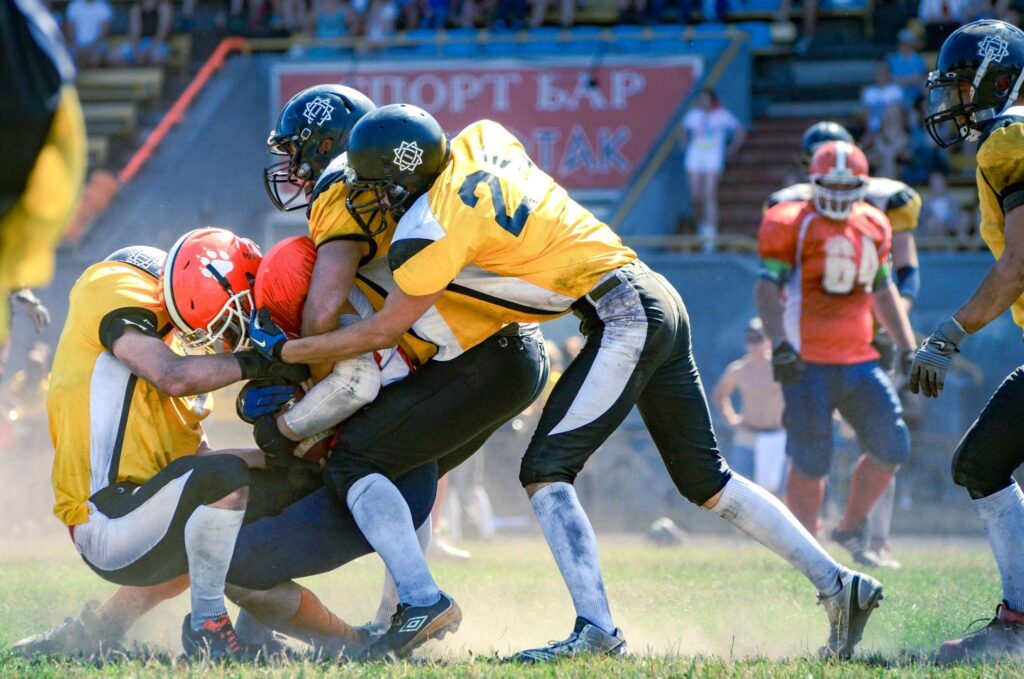
For aspiring professional football players, scouting showcases provide valuable opportunities to demonstrate their abilities in front of coaches, evaluators, and representatives connected to the sport. These events bring together athletic testing, position-specific drills, and professional networking in an environment designed to highlight individual talent.
However, organizing a successful showcase requires far more than securing a football field and inviting talented athletes. Event coordinators must consider venue selection, scheduling, equipment, player registration, medical support, and the overall experience for everyone attending.
The quality of these preparations can influence how efficiently athletes complete their evaluations and how effectively scouts gather useful information.
From clearly organized testing stations to comfortable indoor facilities, seemingly minor details contribute to the professionalism of the event. Understanding these responsibilities reveals the extensive planning behind scouting showcases and the importance of creating opportunities where emerging football talent can perform at its best.
Creating a Professional Environment for Athletes and Scouts
First impressions matter at scouting showcases, particularly when participants arrive from different teams, colleges, and training programs. Clear registration areas, visible schedules, and well-organized entrances help establish a professional atmosphere.
Event organizers can use an x banner to display showcase branding, registration information, or sponsor recognition in prominent locations. Portable promotional displays are particularly useful for identifying check-in areas and helping participants navigate unfamiliar venues.
Coordinated signage can also direct athletes toward testing stations, changing facilities, and designated waiting areas.
For scouts and coaches, a clearly organized environment makes it easier to follow the schedule and locate specific evaluation activities.
These details demonstrate careful planning while allowing participants to concentrate on the athletic opportunities ahead.
Maintaining Clean and Suitable Indoor Facilities
Many scouting showcases combine outdoor football drills with indoor registration, meetings, medical assessments, and athletic testing. Maintaining these spaces is an important operational responsibility.
High levels of foot traffic can introduce dirt and moisture into hallways, changing rooms, and other shared facilities. Regular cleaning helps maintain comfortable conditions throughout the event.
For venues with suitable hard-floor surfaces, a commercial floor steam cleaner can support professional cleaning routines and help facility teams maintain attractive indoor environments.
Organizers should coordinate cleaning schedules with venue staff before athletes arrive, paying particular attention to entrances, restrooms, and equipment areas.
Adequate waste disposal, accessible drinking water, and regularly inspected facilities further contribute to a positive experience.
A well-maintained venue reflects the professional standards expected at an event focused on evaluating future football talent.
Planning Athletic Tests That Provide Useful Information
The central purpose of a scouting showcase is to help evaluators observe athletic ability through relevant activities. Selecting appropriate drills is therefore one of the most important planning decisions.
Common testing categories include sprinting speed, change-of-direction ability, jumping performance, and position-specific football skills.
The 40-yard dash is widely associated with football evaluation, while shuttle drills and jumping tests provide additional information about athletic movement.
Organizers should establish consistent testing procedures so participants complete activities under comparable conditions.
Accurate timing equipment, clearly marked distances, and trained personnel help support reliable measurements.
Position-specific stations also allow athletes to demonstrate abilities connected to their playing roles.
Quarterbacks, receivers, defensive backs, and linemen benefit from drills that highlight different technical requirements.
A balanced program gives evaluators useful information while ensuring athletes have sufficient opportunities to demonstrate their strengths.
Coordinating Coaches, Evaluators, and Event Staff
Successful showcases depend on effective communication between numerous participants. Coaches, scouts, registration staff, athletic trainers, and equipment personnel each have different responsibilities.
Establishing these roles before the event helps prevent confusion during busy testing periods.
A detailed schedule should identify when registration begins, where athletes report, and how groups move between stations.
Evaluators need convenient access to participant information, including names, positions, measurements, and relevant playing backgrounds.
Digital registration systems can simplify recordkeeping and reduce administrative delays.
Staff members should also understand whom to contact when equipment problems or scheduling changes occur.
Brief coordination meetings before activities begin provide opportunities to confirm responsibilities and address outstanding questions.
Clear communication allows the event to proceed efficiently while giving athletes a more organized and professional evaluation experience.
Prioritizing Athlete Safety and Performance Readiness
Athletic showcases involve demanding physical activities, making appropriate safety preparations essential.
Organizers should arrange suitable medical coverage and establish procedures for responding to injuries or unexpected health concerns.
Field conditions and testing equipment also require inspection before activities begin.
Weather planning is particularly important for outdoor events, especially when high temperatures, thunderstorms, or heavy rainfall could affect participation.
Athletes need access to drinking water, suitable recovery periods, and clearly communicated instructions.
A structured warm-up period can help participants prepare for sprinting, jumping, and position-specific drills.
Scheduling should also allow reasonable transitions between demanding tests.
These measures contribute to an environment where athletes can concentrate on demonstrating their abilities while organizers maintain appropriate standards of care.
Helping Athletes Gain Value Beyond Their Test Results
A scouting showcase can offer benefits extending beyond individual sprint times and athletic measurements. For aspiring players, the event may provide opportunities to receive feedback, connect with football professionals, and better understand evaluation expectations.
Organizers can enhance this experience by providing clear information about testing procedures and professional conduct.
Where practical, structured feedback sessions may help athletes identify areas worth developing through future training.
Providing reliable performance records also allows participants to review their results after the event.
Coordinators should communicate accurately about which evaluators are attending and avoid promising professional opportunities that cannot be guaranteed.
Follow-up communication can include verified testing results and information about future development opportunities.
Ultimately, a successful NFL scouting showcase depends on combining accurate athletic evaluation with professional organization and thoughtful hospitality.
When facilities, equipment, staffing, and scheduling work together effectively, athletes gain a meaningful platform to demonstrate their abilities, while evaluators receive information that supports informed decisions about emerging football talent.

NFL Draft Diamonds was created to assist the underdogs playing the sport. We call them diamonds in the rough. My name is Damond Talbot, I have worked extremely hard to help hundreds of small school players over the past several years, and will continue my mission. We have several contributors on this site, and if they contribute their name and contact will be in the piece above. You can email me at nfldraftdiamonds@gmail.com