
How Prediction Markets Are Changing the Way We Track the 2027 NFL Draft
Every fall, draftniks spend months grinding tape, arguing over small-school sleepers, and debating whether a generational wide receiver can actually go first overall in a quarterback-obsessed league. Traditionally, if you wanted to gauge where the consensus was leaning, you checked mock drafts from major outlets or glanced at static sportsbook odds. Lately, though, a different kind of scoreboard has started stealing the spotlight during college football Saturdays and NFL Sundays. Event contracts and prediction markets have turned NFL Draft speculation into a live, second-by-second stock ticker.
For diehard draft followers, this shift is fascinating. Instead of waiting until Tuesday morning for updated big boards after a wild weekend of college football, you can watch implied probabilities swing in real time while a prospect is still jogging off the field. Whether you are tracking the race for the No. 1 pick in Washington, D.C., or trying to figure out which struggling NFL franchise is going to end up on the clock first, prediction markets offer a very different look at draft board momentum.
Why Traditional Mock Drafts Only Tell Half the Story
Mock drafts are great for understanding team fits, roster holes, and scheme matchups, yet they have a built-in blind spot. A mock draft is usually one analyst’s projection of what shouldhappen or what they are hearing from a handful of scouts at a specific moment in time. Even consensus big boards tend to move slowly because writers are hesitant to overreact to a single bad half or one breakout game against a ranked opponent.
Traditional sportsbook odds move a bit faster, especially once the calendar flips to spring, but sportsbooks bake a hefty house edge into their lines and often limit how much action they will take on niche draft props. Prediction markets work differently because users trade directly against one another on the probability of an event happening, with share prices reflecting real-time crowd sentiment. If you are curious about how these platforms operate across sports and entertainment, checking out a breakdown of the https://dotesports.com/prediction-markets/best-prediction-market-apps shows just how fast event-based trading has grown alongside standard sports coverage. When real money is tied to buying and selling contracts on who goes first overall, bad takes get corrected quickly and breaking injury news gets priced in within seconds.
The 2027 No. 1 Pick Race Is a Case Study in Market Volatility
Look at the 2027 NFL Draft class right now and you can see why live probability trading fits draft season like a glove. Back in August, preseason hype had Arch Manning sitting comfortably near the top of early boards alongside names like Dante Moore and CJ Carr. Quarterbacks almost always dominate early projections because NFL front offices treat franchise passers like gold. Over the past three decades, more than three-quarters of all first-overall selections have been quarterbacks, which usually gives any top signal-caller an automatic edge over non-quarterbacks.
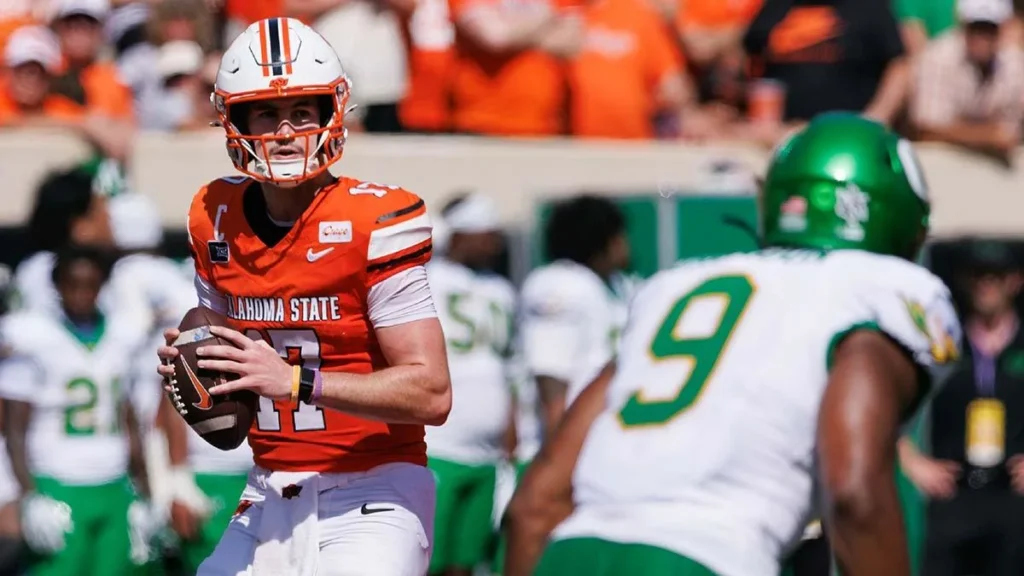
Fast forward through the 2026 college season, and the board looks completely different. Ohio State wide receiver Jeremiah Smith has put together the kind of dominant campaign that forces front offices to rethink positional rules, surging past quarterbacks to lead the No. 1 pick market despite the fact that no wideout has gone first overall since Keyshawn Johnson in 1996. Meanwhile, Oklahoma State quarterback Drew Mestemaker saw his implied probability spike during a massive passing streak before dipping after a rough multi-interception outing against Texas Tech, while Notre Dame’s CJ Carr has steadily climbed the board after taking care of the football and piling up wins. Watching those contract prices bounce back and forth after every Saturday kickoff tells you far more about market confidence than a static list updated once a month.
Reading the NFL Tankathon Through Contract Prices
Of course, knowing who the best prospect in college football is only solves half the puzzle. The other half is figuring out which NFL front office will actually hold the card on April 29, 2027. A team with an established young quarterback that stumbles into the top spot is far more likely to draft an elite receiver like Jeremiah Smith or an explosive edge rusher like Texas’s Colin Simmons than a quarterback-starved franchise.
Right now, prediction markets tracking the first overall draft slot are heavily focused on teams like the Miami Dolphins and Tennessee Titans, with clubs like the Philadelphia Eagles, New York Jets, and Los Angeles Chargers lurking behind them. Every Sunday afternoon, a fourth-quarter comeback or a blown lead doesn’t just change the AFC and NFC standings. It immediately shifts the odds on which team gets the No. 1 pick, which in turn creates a domino effect on the player markets. If a quarterback-needy team pulls off an unexpected upset in Week 15, the contract prices for the top college passers can drop instantly while non-quarterback prospects see their stock rise.
What Draft Evaluators Can Learn From Crowd Wisdom
You do not have to trade a single contract to get value out of watching prediction markets during draft season. For scouts, writers, and fans who love digging into prospects from both powerhouse programs and small-school rosters, market prices act as a useful sanity check against media echo chambers.
Media narratives tend to lock onto familiar names early and hold onto them far too long. Prediction markets are ruthless about cutting through reputation. When a hyped preseason favorite struggles to process defenses or suffers a season-ending injury, the market moves on immediately. On the flip side, when an under-the-radar prospect starts generating real buzz from Senior Bowl practices, Combine workouts, or late-season film, sharp traders spot the momentum before it hits mainstream TV segments.
Looking Ahead to the Spring Evaluation Gauntlet
The wildest swings in the 2027 draft cycle are still ahead of us. Once college bowl games wrap up and underclassmen make their final decisions on whether to declare or return to school, the board will reshuffle again. Then comes the pre-draft gauntlet: all-star games in Mobile and Frisco, medical checks in Indianapolis, pro day throws, and endless smoke screens leaked by agents and front offices looking for trade leverage.
In that environment, separating genuine front-office interest from pre-draft noise is tough. Pairing old-school film study with real-time market data gives draft fans another tool to cut through the clutter. Whether Jeremiah Smith breaks a 31-year drought at the top of the draft or a late-rising quarterback steals the spotlight on the National Mall next spring, watching how the crowd prices every twist along the way makes following the road to the draft even more entertaining.
NFL Draft Diamonds was created to assist the underdogs playing the sport. We call them diamonds in the rough. My name is Damond Talbot, I have worked extremely hard to help hundreds of small school players over the past several years, and will continue my mission. We have several contributors on this site, and if they contribute their name and contact will be in the piece above. You can email me at nfldraftdiamonds@gmail.com