
Life After Football and the Challenges of Starting a New Chapter
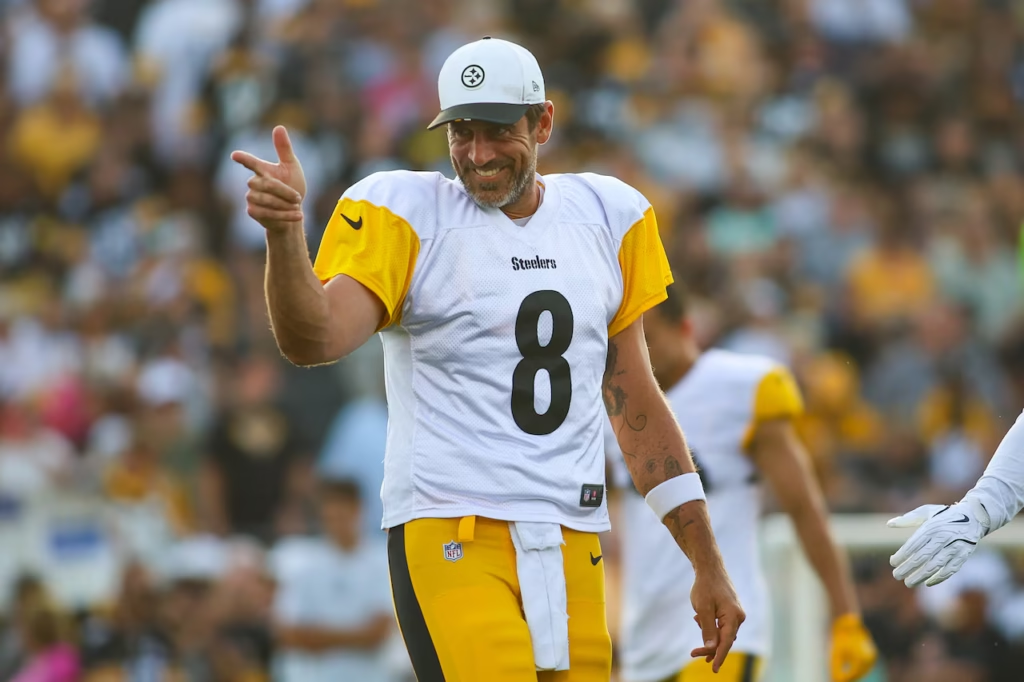
Professional football offers a lifestyle that few other careers can match. Players spend years developing their abilities, competing in front of passionate supporters, and working toward goals that define much of their personal identity. However, every playing career eventually comes to an end, introducing challenges that extend far beyond leaving the pitch.
Retirement can be particularly difficult for athletes who have spent most of their lives following structured training schedules and preparing for competitive matches. Suddenly, familiar routines disappear, professional relationships change, and decisions about employment, finances, and personal priorities become increasingly important.
Although some former players move naturally into coaching or broadcasting, others explore entirely different careers and lifestyles. Successfully navigating this transition requires preparation, adaptability, and a willingness to develop new interests. Understanding the challenges involved reveals why life after football deserves as much attention as the playing career itself.
Finding a New Place to Call Home After Retirement
Professional football often requires players to relocate between cities, countries, and clubs throughout their careers. Frequent transfers, temporary accommodation, and demanding travel schedules can make establishing a permanent home difficult.
After retirement, many former players finally have the opportunity to choose where they want to settle. Some return to their hometowns, while others prefer locations offering convenient access to family, business opportunities, or recreational activities.
Exploring contemporary residential options through www.urbnlivn.com can provide inspiration for creating a comfortable living environment suited to a different stage of life. Modern layouts, practical interiors, and welcoming communal spaces can appeal to individuals adjusting to routines no longer dominated by professional sport.
A permanent home can become an important foundation for this transition. Establishing familiar surroundings and developing stronger connections with a local community may help former athletes build a more settled lifestyle.
Maintaining Physical Well-Being Without Professional Training
During their playing careers, footballers follow carefully organized programs involving physical conditioning, nutrition, recovery, and medical support. Retirement changes this structure considerably, leaving athletes responsible for developing routines that suit their new circumstances.
Remaining physically active is important, but exercise no longer needs to revolve around competitive performance. Swimming, cycling, recreational football, and strength training can provide enjoyable alternatives to demanding professional schedules.
Some former athletes also invest in personal wellness spaces that support relaxation and everyday comfort. Home sauna installations available through https://saunakits.com/ offer opportunities to create dedicated spaces for unwinding, particularly for individuals accustomed to structured training and relaxation facilities during their sporting careers.
The transition also involves recognizing that physical requirements change with age and previous injuries. Developing an appropriate activity plan with qualified professionals can help retired players maintain fitness while respecting their individual health needs.
Rediscovering Identity Beyond Professional Football
For many players, football is more than employment. It shapes friendships, daily routines, public recognition, and personal confidence from an early age.
When that career ends, some athletes struggle to define themselves outside the sporting environment. They may miss the excitement of competition, the camaraderie of teammates, or the clear objectives that organized training provides.
Developing new interests can help create a broader sense of identity. Education, community involvement, creative activities, and recreational pursuits introduce opportunities for achievement unrelated to professional results.
Maintaining friendships beyond football can also provide valuable stability. Relationships that do not depend on sporting performance help individuals establish connections grounded in shared interests and personal experiences.
Accepting that retirement involves both opportunities and difficult adjustments is an important part of building a satisfying new chapter.
Exploring Business and Career Opportunities
Football retirement can create opportunities to pursue professional interests that were difficult to develop during an active playing career. Some former players remain connected to the sport through coaching, scouting, management, or media work.
Others establish businesses in areas such as hospitality, property development, fitness, or retail. Their experience working within competitive environments may provide useful skills involving discipline, teamwork, and decision-making.
However, success on the pitch does not automatically translate into business expertise. Understanding financial management, marketing, customer relationships, and operational planning requires additional knowledge.
Education and professional mentoring can help former players evaluate opportunities before making substantial investments. Beginning with manageable projects may also provide valuable practical experience.
A successful second career often emerges from combining existing strengths with a willingness to learn unfamiliar skills.
Managing Finances After the Final Contract
Financial planning is another significant challenge associated with leaving professional football. While successful players may earn substantial salaries, their earning years can be relatively short compared with conventional careers.
Retirement introduces the need to manage savings, investments, household expenses, and future income without relying on regular playing contracts. Financial circumstances vary enormously between athletes, particularly across different leagues and levels of competition.
Developing a realistic budget can help former players adjust their spending to long-term resources. Professional financial advice may also be useful when evaluating property purchases, investments, and business ventures.
Careful planning becomes especially important when supporting family members or making commitments that extend well beyond retirement.
The objective is to establish financial stability that allows individuals to explore new opportunities without unnecessary pressure.
Building a Fulfilling Life Beyond the Pitch
One of the most rewarding aspects of retirement can be the opportunity to spend more time with family and pursue interests previously limited by professional commitments. Weekend activities, travel, and participation in local communities may become easier to organize.
Former players can also remain involved in football through youth coaching, mentoring, and charitable initiatives. Sharing professional experience with younger athletes provides an opportunity to contribute to the sport without returning to the demands of competitive playing.
Developing meaningful routines remains important. Personal goals, social connections, and enjoyable responsibilities can help replace the structure that professional football once provided.
The transition rarely happens overnight, and different athletes adjust at different speeds. Some discover new ambitions immediately, while others need time to understand what they want from the next stage.
Ultimately, life after football involves much more than finding another job. It is an opportunity to reconsider personal priorities, establish lasting stability, and explore possibilities beyond sporting achievement. With thoughtful preparation and an openness to change, former players can build rewarding lives long after their final appearance on the pitch.
NFL Draft Diamonds was created to assist the underdogs playing the sport. We call them diamonds in the rough. My name is Damond Talbot, I have worked extremely hard to help hundreds of small school players over the past several years, and will continue my mission. We have several contributors on this site, and if they contribute their name and contact will be in the piece above. You can email me at nfldraftdiamonds@gmail.com