
What NFL Teams Look for in a Developmental Quarterback
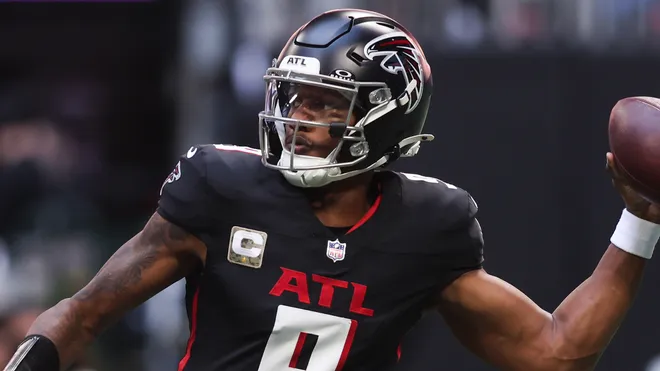
Every NFL team wants a franchise quarterback, but finding one is rarely as simple as taking the most obvious name at the top of the draft.
For every highly rated prospect expected to start straight away, there are quarterbacks picked later with a different plan in mind. They may have a strong arm or obvious athletic ability, but they are usually not quite ready to run an NFL offense just yet.
That is where the developmental quarterback comes in, with teams willing to invest time in a player they believe can improve, even if the early years involve holding a clipboard and learning from the sideline.
Physical Tools Still Matter
The first thing teams notice is what a quarterback can do physically, because coaches need something they can build around while the rest of the game is catching up. Arm strength remains one of the clearest examples in football, especially when a quarterback can drive the ball consistently or threaten deep areas of the field.
Mobility also matters more than it once did, especially as defenses have become faster and more dynamic. A quarterback does not have to be a pure running threat, but escaping pressure and extending a play can keep an offense alive when the first read is taken away.
Those traits do not guarantee success, but they explain why a player with uneven college production can still interest NFL teams. Josh Allen is the obvious modern example, because he entered the league with huge physical gifts and real questions about his accuracy before developing into one of the NFL’s most dangerous offensive threats.
Decision-Making Is Harder to Teach
The bigger question for any developmental quarterback is whether the player can accelerate mentally once the window starts to close.
College football can give quarterbacks wide passing lanes and simplified reads that may not exist on Sunday afternoon. At the NFL level, a quarterback has to recognize coverages quickly and understand when a play is no longer there.
This is why teams spend so much time studying film. A prospect may have thrown plenty of touchdowns, but scouts want to know how those throws were created and whether he was making decisions that will survive against better defenders.
Was he consistently reading the defense, or was he just relying on a receiver to win against weaker coverage? Did he stay calm when pressure arrived, or did his footwork disappear as soon as the pocket tightened?
A player does not need every answer before entering the league, but coaches need evidence that he can learn from mistakes and process what is happening around him.
Can He Handle the Detail?
Quarterbacking is demanding both on and off the field because the playbook is extensive and preparation can be relentless. A developmental player needs to show that he is willing to put in the work. Teams will ask former coaches about their approach in meetings and how they respond when they are challenged.
What matters is whether he can take ownership of the role, especially when the offense is struggling, and everyone is looking for an answer. That can be a shock for players who were naturally better than almost everyone around them in college.
In the NFL, every player was a standout somewhere, so natural talent only gets a quarterback so far before the detail decides whether he can be trusted.
The Right Situation Can Change Everything
A team is not just drafting a developmental quarterback, because he is being drafted into a coaching staff and an existing locker room. That situation can shape everything. A patient offensive coordinator can make a massive difference. At the same time, a veteran starter who is secure enough to help can give a young quarterback time to learn without being thrown into chaos.
Patrick Mahomes is one of the best examples of a talented quarterback landing in the right environment. Sitting behind Alex Smith in Kansas City gave him time to adjust before the Chiefs handed him the offense.
Jordan Love followed a similar path in Green Bay, where time behind Aaron Rodgers allowed him to develop before becoming the starter. Not every team can afford that kind of patience, but it shows why development is not only about the player.
The Ceiling Has to Be Worth It
Teams do not draft developmental quarterbacks purely because they need a backup. They want to believe there is a chance that the player could become more. That is the gamble. A safer prospect with a limited ceiling may be easier to trust, but a team could decide that it would rather take a chance on someone who needs more work but has starter-level tools. This is particularly important outside the top of the draft, where teams are often balancing risk against possible long-term value. It is a concept that also appears in wider sports analysis, where ideas such as value betting focus on identifying opportunities that may be underestimated rather than simply following the most obvious choice.
Not every project works out, and some players never solve the issues that followed them from college. Still, teams that identify the right traits and give a quarterback the right support can find value where others see risk. The next long-term starter may not always be the player expected to begin in Week One.

NFL Draft Diamonds was created to assist the underdogs playing the sport. We call them diamonds in the rough. My name is Damond Talbot, I have worked extremely hard to help hundreds of small school players over the past several years, and will continue my mission. We have several contributors on this site, and if they contribute their name and contact will be in the piece above. You can email me at nfldraftdiamonds@gmail.com