
CS2 Skins vs NFL Trading Cards: Which Is a Better Investment?
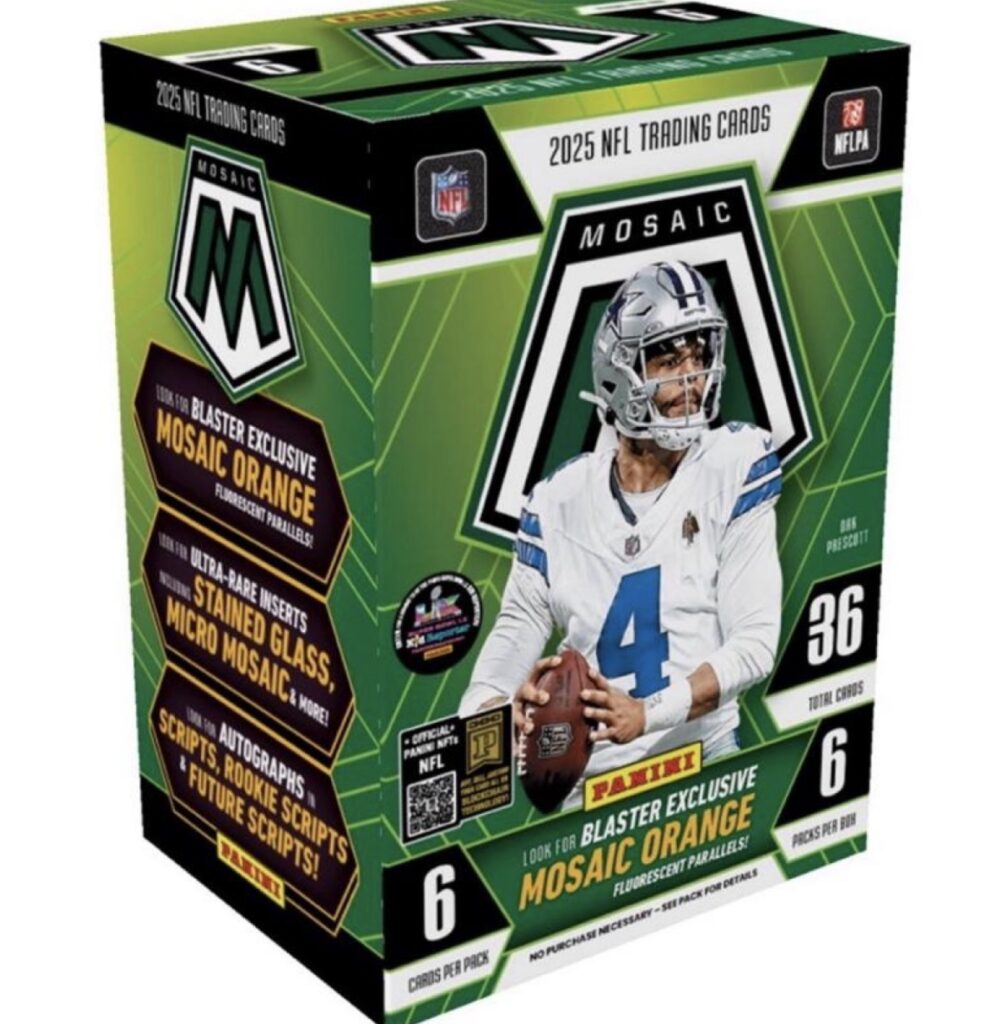
The debate around CS2 skins vs NFL trading cards is really a debate about two different kinds of collectibles. One is digital, instantly transferable, and priced in a live global market. The other is physical, condition-sensitive, and shaped by grading, scarcity, player legacy, and long-term collector behavior. Both can be valuable. Both can be volatile. But they reward very different kinds of buyers.
That is why the question is not simply which asset has produced bigger headlines. The better question is what kind of exposure you actually want. A CS2 skins investment is usually easier to price and easier to move quickly, but it is also tied to the health of one game ecosystem and to platform risk. An NFL trading cards investment is slower, more dependent on authentication and condition, but also connected to a century-old sports memorabilia culture that extends well beyond one app or one publisher.
What makes CS2 skins attractive
CS2 skins have one structural advantage that traditional collectibles struggle to match: liquidity. A high-demand skin can often be priced, listed, and sold far faster than a physical card that may need grading, imaging, consignment, shipping, and buyer trust. Steam’s own market infrastructure shows how deeply integrated item trading is into the ecosystem, even though Steam Wallet funds themselves cannot be withdrawn as cash and sales are subject to platform fees.
The other major appeal is standardization. In the skin market, an item’s value usually comes down to a clear combination of skin name, wear, float, pattern, rarity, and demand. That does not make the market simple, but it does make it more legible. This is one of the clearest differences in CS2 skins vs sports cards, where digital items are often easier to compare directly than physical collectibles shaped by grading, condition variance, and authentication.
Forbes reported in October 2025 that the Counter-Strike skin market’s total value dropped from $5.9 billion to $4.2 billion after a major shock, which tells you two things at once: first, this is a huge market; second, it can reprice very quickly. That combination is part of what makes CS2 skins investment interesting but risky.
A good example of how value concentrates in this market is AWP | Dragon Lore, one of the most iconic and expensive skins in CS2. High-tier versions of this skin have sold for tens or even hundreds of thousands of dollars, showing how rarity, condition, and demand can combine into a single standout asset that defines the market at the top end.
What makes NFL trading cards attractive
Grand View Research estimates the global sports trading cards market at $13.51 billion in 2025, rising to $14.49 billion in 2026, which shows that physical cards remain a large and growing category.
Condition is the central difference. In NFL trading cards investment, the card is not just the card. A raw copy and a PSA 10 copy can be economically different assets. PSA says grading assesses quality and condition using a 10-point scale, and also notes that PSA-certified items tend to outperform uncertified ones in sales and auctions because buyers trust the grading framework. That system gives elite cards a kind of formalized scarcity that digital items do not replicate in the same way.
Side-by-side comparison
| Factor | CS2 skins | NFL trading cards |
| Market format | Digital, always online | Physical, auction/dealer/grading ecosystem |
| Liquidity | Often faster | Often slower |
| Value drivers | Demand, rarity, float, pattern, game ecosystem | Player legacy, rarity, grade, autograph, patch, demand |
| Friction to sell | Lower operational friction | Higher due to grading, shipping, authentication |
| Platform dependence | High | Lower |
| Condition sensitivity | Fixed item attributes | Extremely high |
| Volatility profile | Can move sharply on game news or updates | Often slower, but can spike on player news |
| Collector appeal | Utility plus status inside a game | Tangible ownership and sports nostalgia |
The most important question: speed or durability?
If your main priority is market speed, skins have the edge.
That does not automatically decide the better investment CS2 skins question, because speed cuts both ways. A liquid market is useful when you want to exit, and it also makes it easier to sell CS2 skins quickly, but it means prices can react violently as well.
Five practical ways to think about the choice
- Buy skins if you value liquidity and market transparency more than tactile ownership.
- Buy cards if you value physical scarcity, grading, and player legacy.
- Avoid treating either market as “safe”; both can be cyclical and sentiment-driven.
- In skins, item-specific details matter. In cards, condition and authentication matter even more.
- The best fit depends on whether you think like a trader, a collector, or a long-term holder.
Where Skin.Land fits
For people leaning toward skins, the practical challenge is not only choosing the right item category but understanding what makes two seemingly similar items worth different amounts. That is where Skin.Land matters. In a real CS2 skins investment workflow, details such as float, wear, and pricing consistency can matter more than the skin name alone, especially when you are thinking about entry point and eventual resale rather than just visual preference.
Unlike many alternatives, Skin.Land is built around speed and usability: you can quickly evaluate items, react to market changes, and move inventory without long delays. This becomes especially important in a market where timing directly affects profit.
Whether you are looking to build a high-quality inventory or sell CS2 skins at the best possible moment, Skin.Land provides the kind of liquidity, reliability, and payout flexibility that serious traders actually need.
NFL Draft Diamonds was created to assist the underdogs playing the sport. We call them diamonds in the rough. My name is Damond Talbot, I have worked extremely hard to help hundreds of small school players over the past several years, and will continue my mission. We have several contributors on this site, and if they contribute their name and contact will be in the piece above. You can email me at nfldraftdiamonds@gmail.com