
Football Is More Than a Physical Game: The Role of Brain Health in Player Performance
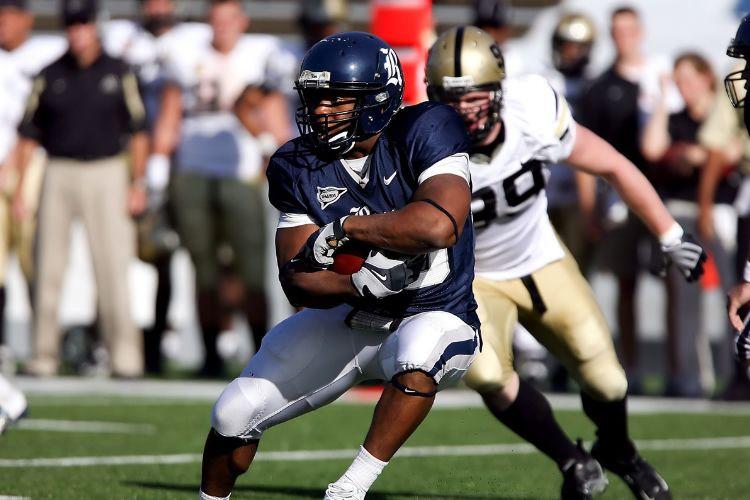
[Photo by Pixabay: https://www.pexels.com/photo/football-player-hugging-ball-while-opponent-chasing-264305/]
Football is often defined by physical attributes: speed, strength, agility, and endurance. But behind every successful play is a series of mental decisions that can determine whether a player gains yards, makes a crucial tackle, or misses an opportunity.
A quarterback must recognize defensive coverage in seconds. A linebacker needs to anticipate an opponent’s movements, while a wide receiver must remember complex routes and adjust to changing coverage. These skills rely heavily on cognitive function, making brain health an important consideration for football players at every level.
For college athletes hoping to reach the NFL, understanding how nutrition, sleep, mental preparation, and injury management affect cognitive well-being can be just as important as developing physical skills.
Why Cognitive Performance Matters in Football
Football demands more than knowing the playbook. Players must process information quickly, maintain concentration, and make decisions while opponents actively disrupt their plans.
Several cognitive skills are particularly relevant:
● Reaction time: Responding quickly to changes in an opponent’s movements or the direction of a play.
● Working memory: Holding information in mind while interpreting defensive formations or executing assignments.
● Decision-making: Selecting an appropriate response under pressure.
● Attention: Staying focused despite crowd noise, physical fatigue, and distractions.
● Mental flexibility: Adjusting when an opponent changes formation or a play breaks down.
Consider a quarterback facing a disguised blitz. Recognizing the pressure, identifying an available receiver, and delivering the football requires several mental processes working together.
These abilities improve through football-specific practice, film study, experience, and coaching. However, healthy daily habits also help players maintain the conditions needed for learning and concentration.
The Connection Between Nutrition and Brain Health
Football nutrition usually emphasizes protein for muscle repair and carbohydrates for energy. However, dietary fats, vitamins, and minerals also contribute to normal brain function.
Omega-3 fatty acids have attracted particular research interest. Two important forms, docosahexaenoic acid (DHA) and eicosapentaenoic acid (EPA), contribute to cellular processes, while DHA is a major structural component of brain cell membranes.
A 2025 position stand from the International Society of Sports Nutrition discusses the potential role of omega-3 fatty acids in athletic health, recovery, and brain function (Jäger et al., 2025).
Fatty fish such as salmon, sardines, and mackerel provide EPA and DHA. For people who consume little seafood, omega-3 supplements offer another dietary source.
Supplement formulations differ. For example, https://www.fenixhealthscience.com/ provides information about Accentrate Omega Max, a krill-derived supplement containing omega-3 fatty acids in lysophosphatidylcholine forms, including LPC-EPA and LPC-DHA.
However, maintaining adequate omega-3 intake shouldn’t be confused with achieving measurable improvements in football performance. Research examining cognitive benefits from supplementation remains mixed, particularly among healthy young adults (Jäger et al., 2025). Players should prioritize a balanced diet and consult qualified sports nutrition professionals before adding supplements.
Why Sleep Deserves a Place in Every Training Program
Football players regularly manage demanding schedules involving practices, strength training, film sessions, academic responsibilities, and travel. Unfortunately, sleep is sometimes sacrificed to accommodate these commitments.
Research published in the British Journal of Sports Medicineidentifies sleep inadequacy as a concern among elite athletes. Walsh et al. (2021) explain how training demands, travel, and psychological stress can interfere with sleep and athletic recovery.
Sleep also supports processes involved in memory and learning, which matter when players are studying formations, responsibilities, and new offensive or defensive systems.
For college football prospects, practical habits include:
● Keeping consistent sleep and wake times.
● Limiting caffeine close to bedtime.
● Creating a dark, quiet sleeping environment.
● Planning rest around demanding training schedules.
● Discussing persistent sleep problems with a healthcare professional.
Sleep requirements vary between people. Rather than treating a fixed number of hours as a universal performance formula, athletes should evaluate their sleep quality, schedules, and personal needs (Walsh et al., 2021).
Understanding the Risks of Concussions
Any discussion of brain health in football must acknowledge concussions. A concussion is a traumatic brain injury that can affect neurological function following a blow or jolt to the head or body.
Possible symptoms include headaches, dizziness, confusion, difficulty concentrating, memory problems, and changes in mood or balance. Symptoms may not appear immediately (Centers for Disease Control and Prevention [CDC], 2025a).
The 2023 international consensus statement on concussion in sport emphasizes individualized assessment, appropriate rehabilitation, and medically supervised return-to-sport decisions (Patricios et al., 2023). For players, coaches, and athletic trainers, several principles are particularly important.
● Recognize possible injuries early. A player who appears confused, unsteady, or unusually slow to respond after contact needs immediate evaluation.
● Never ignore symptoms to stay on the field. Suspected concussion requires removal from play and assessment by a qualified healthcare professional.
● Follow a supervised recovery process. Returning to competition requires appropriate medical clearance and gradual progression through established protocols.
The CDC (2025b) recommends a six-step return-to-play progression, with each stage generally taking at least 24 hours. Nutrition and supplements can’t replace concussion management, medical assessment, or injury-prevention protocols.
Mental Health and the Pressure to Perform
Football’s psychological demands extend beyond game-day concentration. College athletes may face pressure from scholarship expectations, starting-position competition, injuries, social media attention, and uncertainty surrounding their professional futures. These experiences can affect emotional well-being and make it harder to manage demanding routines.
The NCAA’s Mental Health Best Practices recognize mental health as part of overall athlete well-being and recommend screening, accessible care, and supportive athletic environments (National Collegiate Athletic Association [NCAA], 2024).
For aspiring NFL players, seeking psychological support should be viewed as responsible health management rather than a sign of weakness. Athletes can also develop practical coping strategies through established routines, realistic goal-setting, communication with coaches, and support from qualified sports psychologists. Mental toughness should never mean ignoring anxiety, persistent distress, or other concerns that warrant professional attention.
How NFL Prospects Can Develop Better Mental Preparation
Physical ability might attract scouts, but understanding assignments and adapting to unfamiliar situations also matter during the transition to professional football. Players can strengthen their preparation through several football-specific habits.
Make Film Study More Purposeful
Rather than just watching opponents, players should examine tendencies, formations, and situational decisions. A defensive back might study how particular route combinations develop, while an offensive lineman could review defensive fronts and pressure packages.
Practice Decision-Making Under Pressure
Coaches can incorporate changing situations into drills that require players to recognize information and respond. These exercises help connect classroom learning with on-field responsibilities.
Mental preparation becomes harder when players regularly neglect sleep, adequate nutrition, or injury management. Recovery deserves the same attention as strength training and conditioning.
Ask Questions and Learn From Mistakes
Understanding why an assignment failed provides more useful feedback than simply repeating the play. Players who communicate with coaches and review mistakes constructively create opportunities to develop their football knowledge.
Football will always demand exceptional physical ability, but successful players also depend on concentration, memory, sound judgment, and adaptability. For aspiring NFL prospects, caring for brain health means looking beyond traditional strength and conditioning programs.
Adequate nutrition, quality sleep, structured mental preparation, appropriate psychological support, and responsible concussion management all deserve attention. No individual habit or supplement guarantees sharper decision-making or a successful professional career. However, treating cognitive well-being as part of overall player development gives athletes a more complete approach to preparing for the demands of football. Ultimately, the game challenges more than the body. Preparing the mind deserves equal respect.
NFL Draft Diamonds was created to assist the underdogs playing the sport. We call them diamonds in the rough. My name is Damond Talbot, I have worked extremely hard to help hundreds of small school players over the past several years, and will continue my mission. We have several contributors on this site, and if they contribute their name and contact will be in the piece above. You can email me at nfldraftdiamonds@gmail.com