
Data-Driven NFL Draft Scouting: Finding Diamonds In Today’s Football Landscape
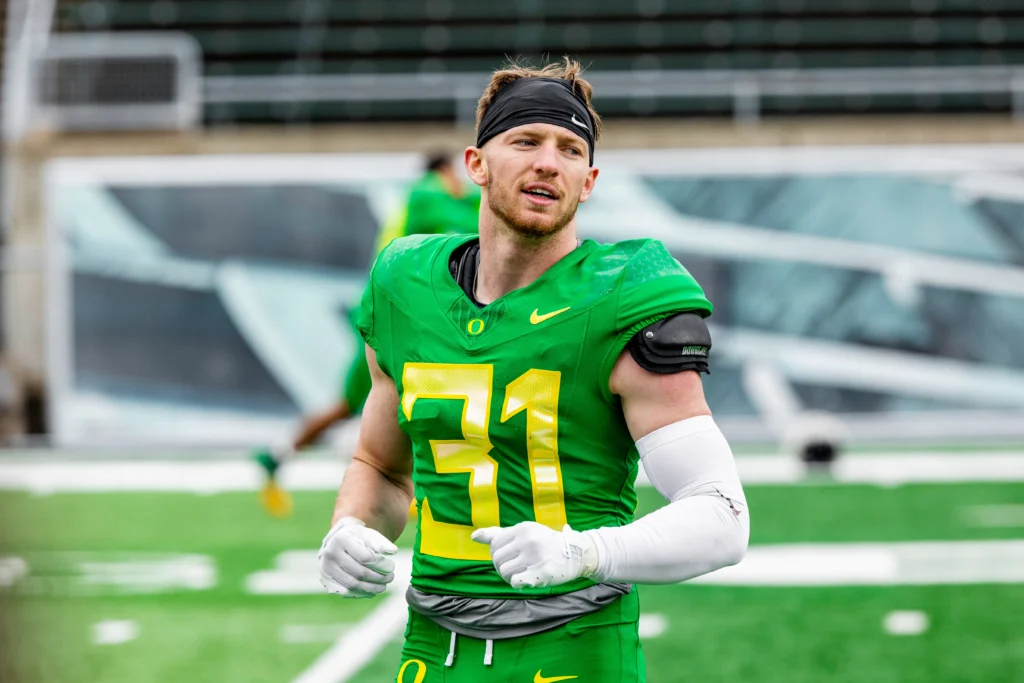
The NFL draft world has changed fast over the last decade. Front offices, media, and serious fans now lean heavily on data and technology. Even companies building modern sportsbook software pump out advanced stats that filter into scouting conversations, especially when small school prospects need extra attention.
Why Modern NFL And NCAA Scouts Trust Analytics
At its core, football remains a game of leverage, toughness, and timing. Still, decision-makers can’t ignore the sheer volume of tracking numbers, athletic testing results, and situational splits. When a late-round guard or FCS receiver posts elite acceleration metrics, the data often pushes evaluators back to the film room.
Analytics also help separate real production from inflated box scores. A quarterback tossing forty touchdowns in an air raid scheme needs context before anyone crowns him. By examining pressure rate, tight window throws, and success on obvious passing downs, scouts better understand which traits might actually translate on Sundays.
For NCAA programs, data-driven recruiting is now a competitive necessity. Smaller schools especially rely on analytics to identify overlooked athletes with developmental upside. When you combine testing numbers, GPS data, and multi-sport backgrounds, you can uncover prospects who might otherwise stay buried on depth charts for years.
Small School Sleepers And The Numbers Behind Them
A site like NFL Draft Diamonds naturally gravitates toward underdogs who rarely trend on social media. That mission fits perfectly with today’s data tools, which highlight players creating efficient value on limited snaps. When a Division II edge defender wins consistently in one-on-one situations, the metrics usually notice before the national outlets.
Take explosive plays, for example, which many analysts track obsessively. It’s not enough to know a receiver averages seventeen yards per catch against weak competition. You want to see how often he separates against press coverage, converts third and long, and produces when the defense clearly expects a pass.
Defensive backs may benefit the most from this statistical revolution. Cornerbacks from smaller programs finally have numbers to support their film. Target rate, completion percentage allowed, and yards conceded per coverage snap provide a fuller picture, especially when they face only a few NFL-caliber opponents each season.
How Coaches Blend Film Study With Advanced Metrics
Most coaches will tell you that tape still trumps everything. However, smart staff use data as a filter to prioritize which prospects deserve deeper study. A linebacker with average testing might climb the board because his run stop percentage, missed tackle rate, and coverage snaps versus tight ends all grade unusually well.
On the flip side, analytic profiles can raise red flags earlier. Maybe a blazing-fast wideout disappears whenever defenses press at the line. Perhaps his contested catch rate remains stubbornly low across multiple seasons. Numbers don’t replace instincts, but they force uncomfortable questions before you invest a premium draft pick.
Even technology built for fan-facing platforms influences internal processes now. Turnkey tech stacks such as the NuxGame turnkey sportsbook ecosystem showcase how integrated data feeds, live visualizations, and automated reporting can streamline analysis. NFL and NCAA staffs increasingly seek similar efficiency inside their scouting departments.
Key Metrics Smart Evaluators Watch Closely
Coaches, scouts, and independent analysts rarely share identical priority lists. Still, several categories keep appearing whenever people discuss predictive football data. Understanding these numbers helps fans follow conversations during draft season and see why certain “sleepers” rise quickly while popular names sometimes stall.
- Explosive play rate on offense and defense
- Success rate instead of raw yardage totals
- Pressure rate created or allowed on passing downs
- Missed tackle percentage in space and traffic
- Coverage snaps played in multiple alignments
Conclusion: What Data Means For Future NFL And NCAA Football Stars
The best scouting reports now read like a conversation between film junkies and data scientists. One side describes how a player wins leverage, processes coverage, or finishes tackles. The other side provides evidence regarding sample size, situational performance, and whether the production aligns with historical success templates.
For prospects, this blended approach can actually be empowering. A small school linebacker may not dominate every all-star game rep, yet his four-year production profile screams reliability. Coaches love players who consistently hit assignment landmarks, avoid self-inflicted penalties, and maintain conditioning across full seasons of heavy snap counts.
Fans benefit as well because information flows more transparently than ever. Draft profiles, independent cutups, and tracking dashboards allow dedicated readers to form educated opinions. When you understand both the story and the stats behind a prospect, Day Three selections suddenly feel just as intriguing as the headline first-rounders.
We probably won’t return to the purely “gut feel” scouting era. At the same time, football will never become a spreadsheet exercise. The future likely belongs to staffs that mix on-field experience, creative scheme design, and humble respect for objective information. Balance, not extremes, produces the sharpest evaluations and decisions.
For current NCAA athletes dreaming about hearing their names called, awareness matters. Players who understand how tracking data works can tailor training toward measurable improvements rather than chasing online hype. Improving change-of-direction times, contested catch outcomes, or pass-rush win rate usually moves the needle more than chasing highlight-reel moments.
In the end, finding true diamonds in the rough still requires curiosity and conviction. Numbers might highlight where to look, but human judgment ultimately decides who gets a chance. For readers of NFL Draft Diamonds, that blend of careful film study and modern analytics keeps every draft class feeling wide open with possibilities.

NFL Draft Diamonds was created to assist the underdogs playing the sport. We call them diamonds in the rough. My name is Damond Talbot, I have worked extremely hard to help hundreds of small school players over the past several years, and will continue my mission. We have several contributors on this site, and if they contribute their name and contact will be in the piece above. You can email me at nfldraftdiamonds@gmail.com