
Why the Super Bowl Became One of the Biggest Events in Global Sports
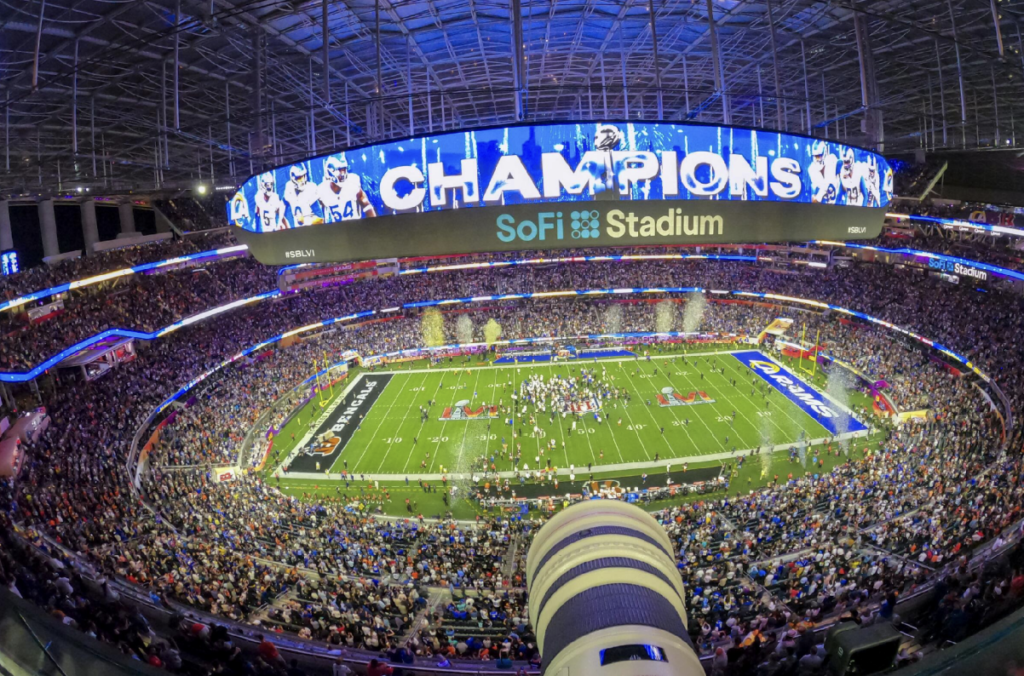
You know the feeling when friends gather around massive televisions while bowls of chips cover every table, and people who never watch football suddenly care about the game. Why the Super Bowl is so popular goes far beyond the sport itself, as it has become a cultural phenomenon that transcends sports entirely. Let me explain how a simple championship game turned into one of the most watched events on the planet.
The Humble Beginnings
The first Super Bowl looked nothing like what we see today, played on January 15, 1967, under the name “AFL-NFL World Championship Game”. Ticket prices averaged just $12, yet the game did not sell out. Two networks broadcast it to about 51 million viewers combined. Super Bowl history growth since then has been astonishing, as by 1982 nearly half of all American households watched.
Super Bowl viewership numbers tell an incredible story:
| Year | Average Viewers | 30-Second Ad Cost |
| 1967 | 51 million | $42,000 |
| 1987 | 87 million | $600,000 |
| 1997 | 88 million | $1.2 million |
| 2007 | 93 million | $2.6 million |
| 2017 | 112 million | $5 million |
| 2025 | 128 million | $8 million |
Super Bowl 59 in 2025 set an all-time record with 127.7 million viewers.
The Halftime Show That Became a Headliner
The halftime show stopped being a break between action and started being a reason to tune in, as Super Bowl cultural impact shifted dramatically in 1993 when Michael Jackson performed. His show drew higher ratings than the game itself for the first time. Kendrick Lamar’s 2025 performance averaged 133.5 million viewers, and Bad Bunny topped it in 2026 with a historic performance entirely in Spanish that drew an estimated 135 million viewers.
The Bad Bunny show featured nearly the entire 13-minute performance in Spanish, targeting the 39 million Latino fans in the U.S. and millions more globally.
What makes the halftime show so powerful:
- It attracts viewers who may not care about football
- It generates billions of social media views
- It creates conversations that last for weeks
- It introduces new music to massive audiences
- It turns the Super Bowl into a global event
Bad Bunny’s performance received more than 4 billion social media views, with 69 million YouTube views in just 72 hours.
The Global Reach Nobody Expected
The Super Bowl is no longer just America’s game, as Super Bowl worldwide reach has expanded dramatically in recent years. In 2024, the NFL reported 62.5 million global viewers outside the United States, a 10 percent increase from the previous year. Mexico, Canada, the UK, and Germany showed particularly strong numbers, with the UK alone adding 3.7 million viewers. When you combine domestic and international audiences, total numbers often exceed 150 million, with some estimates suggesting figures closer to 200 million. Super Bowl global audience still trails the FIFA World Cup final, which reached nearly 1.5 billion viewers in 2022, but the gap narrows every year.
That same sense of global excitement and opportunity often inspires people to look for new forms of entertainment beyond simply watching sports. Whether you are following the biggest game of the year or searching for your own moment of thrill, the right experience at the right time can make everything more enjoyable. Many players turn to online platforms such as Richard casino promo code no deposit bonus, which refers to offers from a popular online casino where you can try different games, claim a welcome bonus, and explore a variety of entertainment options. For many people, it becomes a simple place to relax, unwind, and enjoy a bit of excitement without pressure.
The Advertising Phenomenon
Millions watch just for the commercials, and why Super Bowl is so popular with advertisers comes down to simple math. Where else can you guarantee more than 100 million engaged viewers for 30 seconds? A 30-second spot cost $42,000 in 1967, but by 2025 that same 30 seconds cost $8 million. Brands go all out, hiring A-list film directors like Spike Jonze and Taika Waititi while packing the spots with celebrities. The 2026 game featured so many famous faces that people called it the “Celeb Bowl.” Some viewers admit they watch primarily for the commercials, with 11 percent tuning in mainly for the ads rather than the game.
The Food Culture That Unites
The Super Bowl has become the second-largest food consumption day in the United States, with only Thanksgiving surpassing it. Americans spent an estimated $14.9 billion on game-day food and drinks for the 2025 Super Bowl. That is nearly twice the $8.1 billion economic impact of the entire month-long UEFA EURO 2024, meaning one night of snacking in America outspends an entire continental tournament.
Super Bowl food consumption numbers:
- 325 million gallons of beer
- 1.47 billion chicken wings
- 243 million pounds of avocados
Avocado consumption has exploded from 8 million pounds in 2000 to 243 million now. People are not just watching. They are hosting parties, inviting friends, and creating lasting traditions.
The Strategy Behind the Growth
The NFL has been remarkably patient in building the Super Bowl into a global event, thinking in decades rather than years with a combination of smart strategies. They partner with local broadcasters rather than simply streaming the American feed, localizing content using regional time zones and creating market-specific social media to build connections. They have assigned “home marketing areas” to specific teams, with the Miami Dolphins getting Argentina and the Philadelphia Eagles getting Ghana, allowing focused engagement while other teams stay out. They invest in grassroots initiatives to grow the sport from the ground up rather than just selling merchandise, and flag football will make its Olympic debut at the 2028 Los Angeles Games, introducing the sport to entirely new audiences.
Why the NFL’s strategy works:
| Strategy | How It Works | Why It Matters |
| International games | Teams play regular season games abroad | Builds local fan bases |
| Local broadcast partners | Tailored coverage for each market | Makes the product accessible |
| Home marketing areas | Teams own specific countries | Creates focused marketing |
| Grassroots investment | Youth flag football programs | Grows future players and fans |
| Olympic inclusion | Flag football in 2028 LA Games | Global exposure |
What the Numbers Really Mean
When you add everything up, the Super Bowl’s growth becomes clear, as Super Bowl viewership numbers have climbed steadily for decades while international viewership grows every year. Social media engagement explodes, and ad prices keep rising because brands know the value of this massive audience. Super Bowl biggest event status is no accident, as it combines America’s most popular sport with world-class entertainment, blockbuster advertising, and genuine cultural moments. It gives people reasons to gather, to eat, to laugh, and to share experiences together. The 2026 game between the Seattle Seahawks and New England Patriots drew massive numbers, the halftime show featuring Bad Bunny made history, and the ads kept people talking for days.
The Future Looks Even Brighter
The NFL shows no signs of slowing down, having signed agreements to continue playing international games and locked in broadcast deals that will keep the Super Bowl on major networks for years. They are investing in youth programs around the world because the Super Bowl phenomenon explained ultimately comes down to one simple truth. It is more than a game, serving as a cultural touchstone that brings people together across borders. It transcends sports, entertainment, advertising, and food into something uniquely American that the whole world wants to experience. The Super Bowl started with 51 million viewers and empty seats, but now it draws 200 million global viewers and sells out every ticket months in advance. That is not just growth. That is transformation.
FAQs
1. How many people watch the Super Bowl worldwide?
When combining U.S. and international audiences, total numbers often exceed 150 million, with some estimates suggesting figures closer to 200 million or more.
2. What is the most-watched halftime show in Super Bowl history?
Bad Bunny’s 2026 performance is on track to become the most-watched halftime show, surpassing Kendrick Lamar’s 2025 show which averaged 133.5 million viewers.
3. How much do Super Bowl commercials cost?
A 30-second commercial spot cost $42,000 for the first Super Bowl in 1967, but by 2025 the average cost had reached $8 million.
4. Why does the Super Bowl have such a large international audience?
The NFL has pursued a deliberate international expansion strategy for decades, playing regular season games abroad and partnering with local broadcasters.
5. How does Super Bowl viewership compare to other major sporting events?
The Super Bowl dominates American television but still trails the FIFA World Cup final globally, which reached nearly 1.5 billion viewers in 2022.

NFL Draft Diamonds was created to assist the underdogs playing the sport. We call them diamonds in the rough. My name is Damond Talbot, I have worked extremely hard to help hundreds of small school players over the past several years, and will continue my mission. We have several contributors on this site, and if they contribute their name and contact will be in the piece above. You can email me at nfldraftdiamonds@gmail.com