
Hidden Value in the NFL Draft
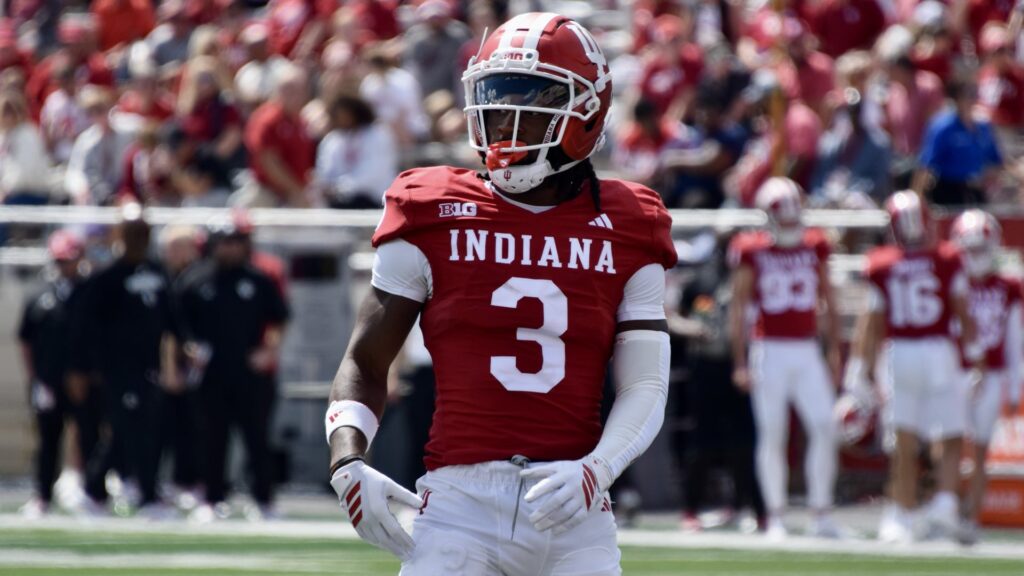
The annual ritual of the NFL Draft feels orderly on TV. Names, caps, applause. Clean. The reality is messy, loud, and a little obsessive. Scouts argue over footwork in grainy clips. Analysts circle traits that barely show up in box scores. Fans swear they “just know” a sixth-round pick will hit. We think that tension is the fun part.
A site like NFL Draft Diamonds lives in that tension. It hunts for players who sit outside the easy spotlight. Small programs. Odd paths. Production that doesn’t scream at you until you watch a third time and catch the timing of a break or the patience in a pocket step. According to our analysts, the audience for that work isn’t only die-hard fans. Team staff read. So do curious writers who want sharper angles than the usual big-board chatter.
Draft value is slippery. A corner with average testing numbers might carry rare instincts. A tackle with clean measurables can still drift at the snap. Maybe the difference hides in context. Competition level. Scheme fit. The way a player adjusts when the play collapses. One scout told us he trusts the “second reaction,” not the first move. Sounds vague. It’s not, once you watch enough tape.
Numbers help, then they stall. Pressure rate, missed tackles, target depth. Useful, sure. They don’t tell you why a safety closes a window early, or why a receiver throttles down without a signal. Film fills those gaps. And interviews add texture. A prospect explaining a busted coverage in his own words can shift a board more than forty times. That sort of primary material becomes a quiet citation for anyone building an argument about projection.
Draft rooms chase fit, not fame. A zone-heavy defense wants range over bulk. A play-action offense craves timing over raw arm strength. Fans argue about “best player available.” Teams whisper about alignment with identity. Sometimes those ideas collide, and a name slides. That’s where late-round stories begin. A guard taken on Day 3 starts ten games by November. A return specialist flips field position twice and never leaves the roster again. It happens more often than highlight reels admit.
There’s also a cultural layer people skip. Prospects move cities fast. New playbooks, new language, new expectations. Some adapt like they were born into it. Others need a season to breathe. You can feel that in long interviews, the pauses, the choice of words. Good writers notice those rhythms. They avoid tidy conclusions because the draft punishes tidy thinking.
Mock drafts try to predict behavior. They succeed by accident as often as by design. Front offices hide intent. Agents float rumors. Medical flags appear late. One surprising trade reshapes a dozen plans. Maybe that chaos is honest. The draft mirrors the sport itself. Structured on paper. Unruly once the ball moves.
Why do fans care so much about players they haven’t seen on Sundays yet? Hope, probably. The idea that a roster can change with a single card handed to a commissioner. A fresh start, but with spreadsheets and scouting notes stacked behind it. According to our data, engagement spikes around stories that feel personal. Backgrounds, setbacks, stubborn work. Not myth, just detail.
For anyone writing about the draft, depth beats speed. Watch one game twice. Read the smaller reports. Check how a player handled a bad series, not just the best drive. Build your own citation trail. Compare language across reports and listen for what repeats, or what strangely doesn’t. Leave room for doubt. The class you think you understand in March looks different by December.
Some picks will fail. Some will be surprised. The smart coverage doesn’t pretend otherwise. It leans into uncertainty and still makes a case. That balance keeps the draft alive long after the stage is cleared and the caps are packed away.
NFL Draft Diamonds was created to assist the underdogs playing the sport. We call them diamonds in the rough. My name is Damond Talbot, I have worked extremely hard to help hundreds of small school players over the past several years, and will continue my mission. We have several contributors on this site, and if they contribute their name and contact will be in the piece above. You can email me at nfldraftdiamonds@gmail.com