
NFL Draft Prospects And The Boom In Sports Betting: Using Your Fanatics Promo Code
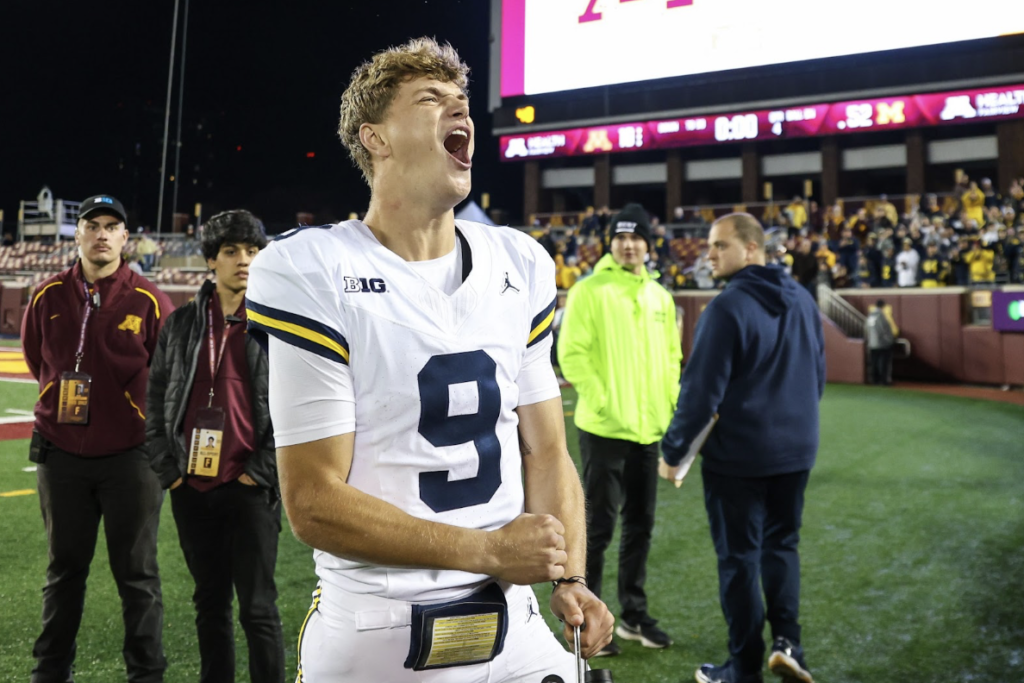
Each spring, attention shifts from the field to the front office, and the talent pipeline becomes the story. Quarterbacks still throw, receivers still run, but the spotlight lands on projections, rankings, and front office decisions. At the same time, legal wagering around these events has grown into a major side industry of its own, turning speculation into a year round activity.
This piece looks at why this particular offseason showcase has turned into such a powerful market, how the legal landscape changed, what sets these markets apart from regular contests, and how bonus offers can be used with care. The focus is not only on the appeal of big name prospects like Arch Manning but also on the practical details that matter to anyone tracking odds, market swings, and draft storylines.
Why NFL Draft Season Has Become A Sports Betting Powerhouse
In the past, the spring talent selection show was a niche television event aimed at diehard fans. Today it anchors an entire offseason calendar, supported by a fast-growing betting ecosystem and constant discussion of available sportsbook promos across legal platforms. One of the biggest shifts is timing. Odds on the following year’s top pick now appear almost as soon as the current event ends. After the 2025 edition wrapped, for example, Arch Manning opened around +225 to go first overall at one major operator, a price that immediately fueled debate and early action.
The format of the event helps drive this interest. There are defined picks, clear team needs, and a finite list of prospects, which makes it easy for analysts to produce rankings and mock boards months in advance. As those forecasts circulate on television, podcasts, and social feeds, they do more than entertain. They create a shared reference point that feeds directly into how odds are posted and adjusted over time.
Interest has also been lifted by the simple fact that this league dominates the American sports calendar. Even in the offseason, coverage never really stops. That constant attention makes it easier for operators to post markets with confidence that they will attract volume. When a primetime college quarterback rises or falls during the season, discussion instantly shifts to where he might land in April and how that could reshape the top of the board.
The result is a self reinforcing cycle. More coverage leads to more wagering, which leads to more granular odds, which in turn demand even more analysis and content. Spring used to feel quiet for fans of the professional game. Now it feels like a continuation of the season, just with different stakes.
How The Sports Betting Landscape Has Changed
None of this would be possible without the legal changes that followed the 2018 repeal of a federal restriction on state regulated wagering. Before that ruling, only a handful of states could host legal markets, and most action tilted toward traditional contests rather than offseason spectacles.
Once states gained the power to regulate on their own, legal books became more aggressive in searching for new content. Professional football was the obvious starting point. Regular season and playoff contests drew huge handle, but operators quickly discovered that any tentpole event tied to this league could stand on its own. Championship futures were joined by awards markets, player season totals, and eventually draft oriented props.
Improved technology also played a role. Mobile apps made it simple for casual fans to explore menus that go far beyond a final score. In the spring, a user can scroll from basketball or baseball directly into detailed draft props that list dozens of prospects with individual pricing for their potential landing spots. The line between watching coverage and opening a wagering app has never been thinner.
At the same time, regulators pushed for safer play. Requirements around identity checks, geolocation, and responsible gaming tools became standard features. These guardrails have helped keep growth sustainable, even as the volume tied to football centric events continues to climb.
What Makes NFL Draft Betting Different From Regular Games
Markets around this event behave very differently from traditional point spreads or totals. Regular contests involve performance on the field. Bettors weigh matchups, injuries, weather, and coaching decisions, then wait for a final score. With the spring talent selection, everything centers on information and prediction rather than on field play.
The main focus is on futures connected to where and when a player will be chosen. For example, will a quarterback be the first name called, or will a pass rusher or offensive tackle leapfrog him. Lines move as front offices schedule visits, as anonymous scouts comment in the media, and as respected reporters hint at which direction a franchise is leaning.
Rumors are particularly powerful. A single credible report suggesting that a club projected to hold a top pick prefers a certain passer can reshape the entire top of the board. Unlike game week injury reports, these leaks are much harder to verify, which makes the market more volatile.
For fans, that volatility is part of the appeal. It turns mock drafts, pro days, and combine results into live inputs. Every new piece of information can spark a shift, inviting observers to decide whether the move is justified or an overreaction.
Key NFL Draft Prospect Markets Bettors Focus On
The most popular market is usually the race to be the first overall selection. Quarterbacks dominate this board. Ahead of the 2026 event, Arch Manning has attracted attention at around +225 to go first, with other passers like Drew Allar and Garrett Nussmeier tied behind him closer to +450. This reflects history. Over the past quarter century, the opening pick has overwhelmingly been a quarterback or a lineman on either side of the ball.
Another widely followed category is the over or under on draft position. Instead of asking whether a specific player will be the first chosen, these props ask whether he will come off the board before or after a particular slot. That allows sharper opinions. A bettor might believe a tackle will be chosen seventh or eighth rather than first and target a line around 9.5.
Top 10 or first round markets add another layer. These usually list a simple yes or no price on whether a prospect will qualify for a certain range. For defenders or linemen who are unlikely to crack the conversation for the top overall spot, these props can attract steady two way action.
Deeper on the menu sit long shot options. One operator recently posted odds on prospects such as linebacker Arvell Reese at +2000 and edge defender Keldric Faulk at +2700 for certain positional outcomes. These numbers rarely move headlines, but they show how granular the market has become.
Evaluating NFL Draft Prospects Before You Place A Bet
Following odds is only part of the picture. Serious observers study film and data to form their own opinions on each player. For quarterbacks, that often means charting accuracy under pressure, decision making across multiple reads, and performance against top defenses. For linemen, hand usage, pad level, and anchor strength at the point of attack carry more weight.
Athletic testing has taken on greater importance in recent years. Metrics such as forty yard dash times, agility drills, and explosive jumps help teams and bettors project how a college star might translate to the professional level. These numbers must be placed in context, as positional expectations vary widely.
Injury history is another major factor. Prospects with recurring issues can slide on draft night even if their tape is strong. Many bettors supplement mainstream coverage with independent scouting resources like NFL Draft prospect analysis and scouting reports to get a fuller picture beyond headline rankings.
Team context also matters. Clubs projected near the top of the order may have very different needs and coaching philosophies. Matching player skill sets to scheme preferences often provides clearer insight into where a prospect might realistically land.
Using Your Fanatics Promo Code Responsibly During Draft Season
Operators frequently tie special offers to marquee football events, and the spring talent selection is no exception. Typical welcome deals might involve placing a qualifying wager and receiving additional site credit if certain conditions are met. For new users, this can be a way to explore futures markets with a structured entry point.
The key is understanding how these offers work. Bonus funds usually come with wagering requirements and expiration dates. Some credits return only profits, not the original stake. Reading the full terms determines whether an offer aligns with a bettor’s approach or encourages unnecessary risk.
Timing also plays a role. Some prefer to spread a bonus across several smaller draft props, while others wait until draft week when information is most complete. In all cases, bonuses should be treated as supplements rather than reasons to increase overall stakes.
Building A Simple NFL Draft Betting Strategy
A sound approach starts with research, moves into price comparison, and ends with discipline. Following credible reporters, reviewing mock drafts with proven accuracy, and tracking team specific coverage help filter signal from noise.
Line shopping is equally important. Different books can post noticeably different prices on the same prospect or prop. Comparing odds across platforms can improve long term results, even in niche markets.
Bankroll management ties everything together. Many experienced bettors risk only a small percentage of their total funds on any single draft position. This helps absorb volatility in a market where late information can trigger sudden shifts.
Flexibility matters as well. Strategies formed months in advance should evolve as new, reliable information emerges. Adjusting or passing on markets is often smarter than forcing action in a fast changing environment.
Common Mistakes To Avoid When Betting On NFL Draft Prospects
One of the most frequent mistakes is overreacting to rumors. Anonymous reports and speculative commentary can move prices without reflecting actual front office plans. Chasing every late headline often leads to conflicting positions.
Another trap involves misusing promotional offers. Deploying bonuses exclusively on long shots with eye catching payouts can quickly erase any perceived advantage. When losses mount, frustration can push bettors toward chasing behavior.
Finally, ignoring responsible play tools can turn what should be an entertaining companion to draft coverage into a stressful experience. Deposit limits, time reminders, and breaks exist to keep speculation fun rather than overwhelming. Keeping stakes measured and expectations realistic is usually the best long term play.
NFL Draft Diamonds was created to assist the underdogs playing the sport. We call them diamonds in the rough. My name is Damond Talbot, I have worked extremely hard to help hundreds of small school players over the past several years, and will continue my mission. We have several contributors on this site, and if they contribute their name and contact will be in the piece above. You can email me at nfldraftdiamonds@gmail.com